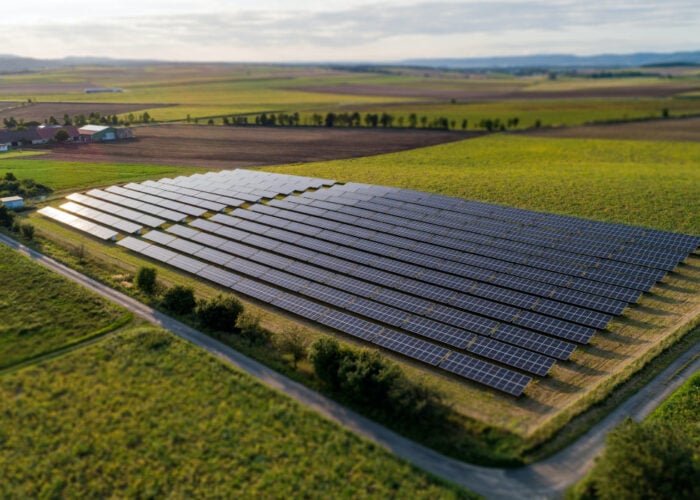
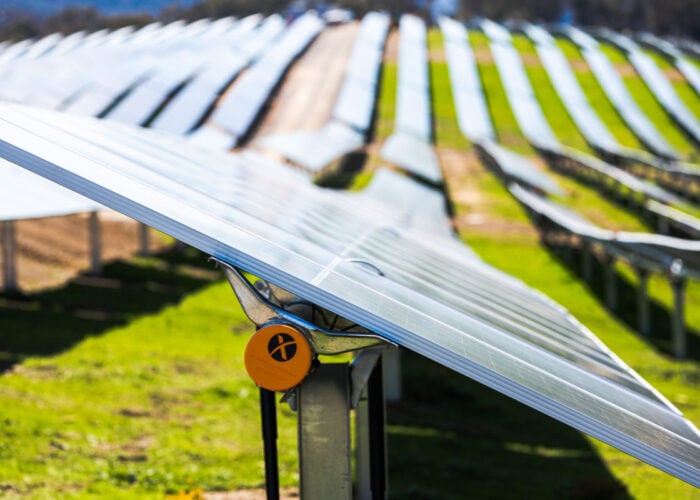
On September 4, Thai oil company Bangchak Public Petroleum Co. (BPP) connected its 44MW PV plant in Thailand — the largest silicon PV power plant in South East Asia, it claims. It is located in Bang Pa-In, Ayutthaya, which is around 40km from the country’s capital Bangkok.
The project was constructed by the company’s EPC partner Solartron Public and utilizes PV modules supplied by Chinese PV manufacturer Suntech Power Holdings. Although the total output was not disclosed, Suntech revealed that it would be enough to mitigate 32,000 tons of CO2 emissions.
Try Premium for just $1
- Full premium access for the first month at only $1
- Converts to an annual rate after 30 days unless cancelled
- Cancel anytime during the trial period
Premium Benefits
- Expert industry analysis and interviews
- Digital access to PV Tech Power journal
- Exclusive event discounts
Or get the full Premium subscription right away
Or continue reading this article for free
Bundit Sapianchai, senior executive vice president of BPP, said, “The Sunny Bangchak project represents an important step in BCP's aim to promote a green environment and sustainable business in Thailand. Our visitor centre at the site will be a landmark for renewable education in Thailand. We chose Suntech because of their excellent track record around the world and their high-efficiency panels which are specifically suited to Thailand's hot and humid climate.”
Dr. Zhengrong Shi, founder and executive chairman of Suntech said, “We are excited to collaborate with Bangchak and Solartron to develop and promote solar energy in Thailand. As the largest solar plant in Southeast Asia, Sunny Bangchak is an important milestone in solar energy's development in the region and demonstrates Suntech and BCP's commitment in ushering in a clean, sustainable energy future in Thailand.”
Thailand is fast becoming an emerging PV market with a recent surge in activities in the region. In recent months, we’ve seen First Solar establish a Thai subsidiary to better serve its South East Asian customers, helping the Thai government to reach its ambitious target to install 2GW of solar capacity by 2020. The target is part of the government’s larger aims to generate 20% of the country’s total energy consumption from renewable sources by 2022.