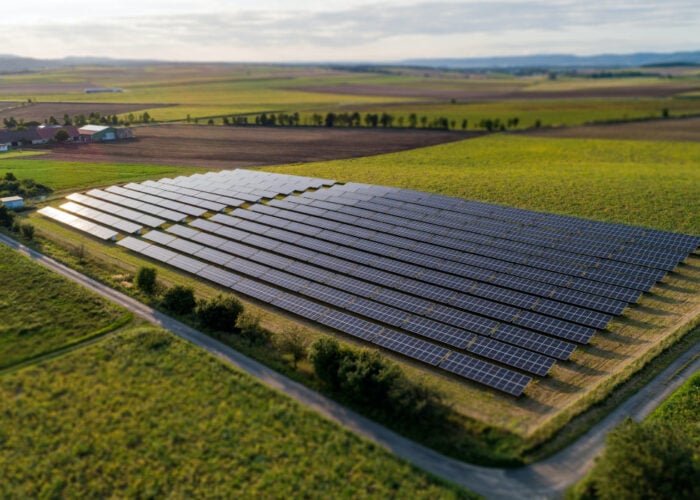
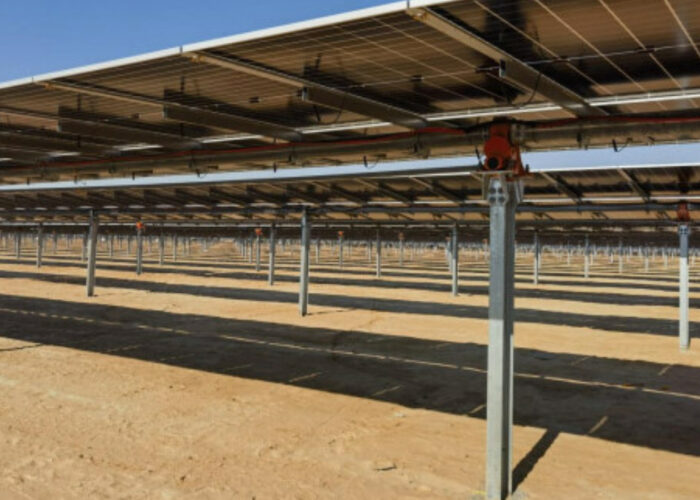
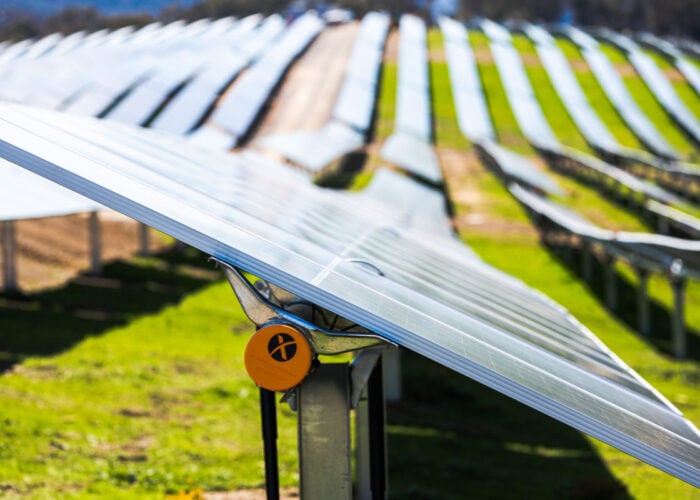
IBC Solar has upped its corporate social responsibility profile by donating a 14.4kW solar power system to the Lewa Children’s Home in Eldoret, Kenya. A total of 120 solar panes and six inverters have been supplied to the orphanage, which houses approximately 120 children aged between a few months to 18 years old.
The system, constructed in two weeks, is expected to generate around 13,000kWh of solar energy to power not just the orphanage itself, but also a farm.
Try Premium for just $1
- Full premium access for the first month at only $1
- Converts to an annual rate after 30 days unless cancelled
- Cancel anytime during the trial period
Premium Benefits
- Expert industry analysis and interviews
- Digital access to PV Tech Power journal
- Exclusive event discounts
Or get the full Premium subscription right away
Or continue reading this article for free
The Baraka Farm operates its own cheese production facility, requiring a great deal more power than the orphanage. The cheese and other agricultural products produced are partially sold, with the proceeds made available to the orphanage. The school provides all children with free meals. Food, housing and schooling for the children is completely free. The project is financed solely by donations and the proceeds from the farm.
“In the past, we have paid around €1,200 per month for electricity. This current expenditure is now covered by the installed solar panels,” said farm manager Jos Creemers.
“We were particularly keen to support this great institution. It is overwhelming to see and feel how much the intense planning of the past months and have resulted in this installation,” explains Ronald Jaspar, IBC Solar.