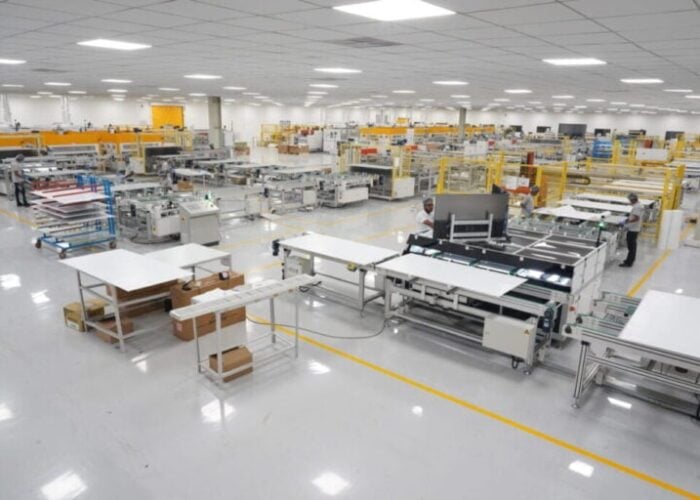
Citing recently undertaken ‘channel checks,’ Jefferies equity analyst Jesse Pichel said in an investor note that both Tier 1 & 2 China-based module manufacturers were running at ~50% utilization rates due to overcapacity and weak demand, especially in light of the lack of financing for PV projects across Europe. With respect to Tier 3 producers, Jeffries said that some have effectively stopped production and shut down plants.
Pichel characterized the market demand conditions as ‘anaemic,’ noting that demand elasticity was now seen as a function of macro sentiment and credit availability, rather than the normal IRR (investor rate of return), which are at their highest levels thanks to falling prices and currently high feed-in tariffs.
Try Premium for just $1
- Full premium access for the first month at only $1
- Converts to an annual rate after 30 days unless cancelled
- Cancel anytime during the trial period
Premium Benefits
- Expert industry analysis and interviews
- Digital access to PV Tech Power journal
- Exclusive event discounts
Or get the full Premium subscription right away
Or continue reading this article for free
The equity analyst noted there was no evidence of a demand pick-up despite record-high IRRs. Pichel noted the weak market conditions were being dictated by “[e]xpectations for lower system pricing, weak consumer sentiment and fear, difficult construction and permanent financing, financially struggling distributors, and negative solar sentiment in the media.”
Pichel believes that further capacity will be shuttered in China on the back of a prolonged weakness in market demand. The market will see consolidation but rather than through mergers and acquisitions, it will happen by “attrition,” making the top 15 PV manufacturers stronger and creating a less volatile market for the future.
The Jefferies analyst also noted that further polysilicon price declines were needed to support module manufacturers. Current spot prices were said to be in the US$47-50/kg range with some instances of prices already dipping to US$45/kg.
Pichel believes the price of silicon will reach US$35/kg in the first half of next year, should there be no surprise uptake in demand. He noted that this would lower the cost (and price) of PV modules by 8-9 cents and enable Tier 1 module manufacturers to sell at $1.00/W with 15% gross margins.
A resumption of volume and revenue and earnings growth is now expected to return in 2013, led by grid parity in certain European countries as well as California, Hawaii and Japan.