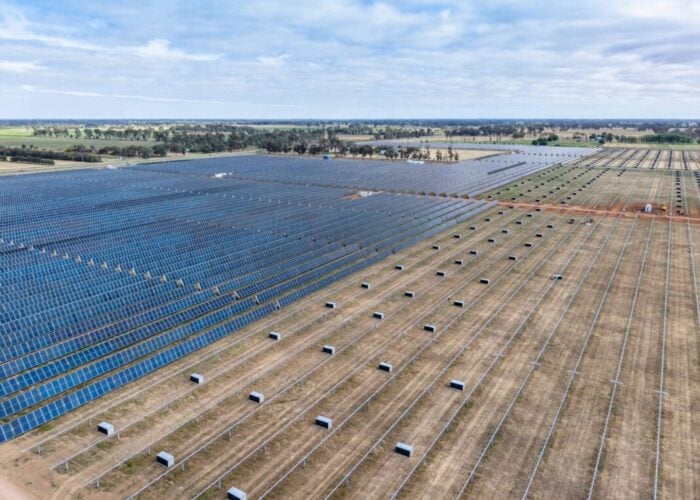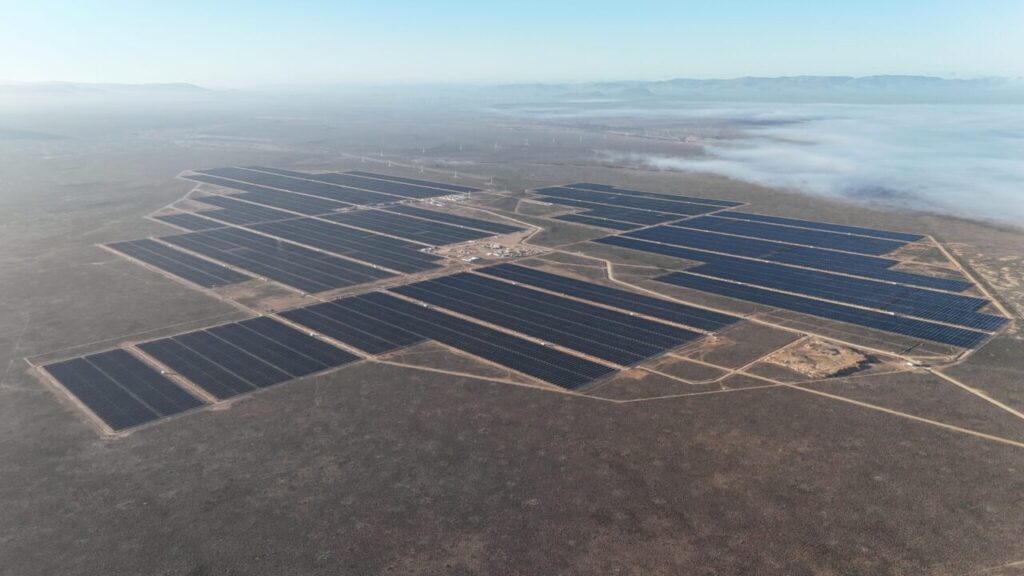
South Africa registered 139 new solar PV facilities, with a combined capacity of 2,045MW, in the third quarter of this year, ending in September 2026.
This is according to the latest figures from the National Energy Regulator of South Africa (NERSA), which last week published its registration figures for the quarter, which it describes as the second quarter of its 2026/27 financial year. The solar PV registrations were accompanied by three new wind projects, with a combined capacity of over 1GW, one 3MW battery energy storage system (BESS) and an 18MW co-generation project.
Try Premium for just $1
- Full premium access for the first month at only $1
- Converts to an annual rate after 30 days unless cancelled
- Cancel anytime during the trial period
Premium Benefits
- Expert industry analysis and interviews
- Digital access to PV Tech Power journal
- Exclusive event discounts
Or get the full Premium subscription right away
Or continue reading this article for free
Both capacity additions increased significantly from the previous quarter, when NERSA reported 124 new renewable energy generation facilities, with a combined capacity of 804MW, had been registered. In this quarter, solar PV projects accounted for 122 projects, but with a combined capacity of just 236MW, so the most recent quarter’s figures represent an increase over this capacity of more than eight times.
Most of the new solar PV registrations were located in two provinces: Gauteng, with 47 projects, and Western Cape, with 34 projects. New solar PV projects were registered in all nine South African provinces.
While NERSA did not specify the investment value of each technology, it noted that a total of R78.16 billion (US$4.7 billion) had been invested in the new energy projects in the third quarter of this year, of which solar PV accounts for the vast majority of both the number of projects and total capacity. The projects registered accounted for close to four times the investment reported in the previous quarter, which stood at R20.18 billion.
NERSA called the new registrations a “significant step forward” for the country’s energy sector, adding: “This move not only ensures legal and technical compliance but also bolsters grid reliability and safety, enhances national electricity planning and attracts increased private investment.”
The regulator also noted that of the 144 new renewable energy facilities, 68 will be connected to municipal distribution networks, which will attract investment of around R584 billion, while the remaining 76 facilities will be connected to the Eskom network, which will attract R77.58 billion in investment. In June, the national utility launched a new unit, dubbed Eskom Green, to focus on the deployment of large-scale renewable energy projects, in order to meet a target of 40GW of renewable energy in operation by 2040 set by the country’s Integrated Resource Plan (IRP).
Solar PV is set to feature prominently in the IRP, which calls for 28.7GW of new solar PV additions by 2039, in order to form the basis of an energy system that meets half of domestic energy demand with renewable sources by 2042. This year has already seen a number of developers begin commercial operations at utility-scale solar PV projects in the country, including Pele Green Energy and Engie and Voltalia.