According to Bloomberg New Energy Finance (BNEF) 1.8GW of renewable power capacity will be commissioned in Sub-Saharan Africa in 2014.
New research published by BNEF on Thursday predicts investments of US$5.9 billion will be made this year in renewable (geothermal, solar and wind) energy in the region.
Try Premium for just $1
- Full premium access for the first month at only $1
- Converts to an annual rate after 30 days unless cancelled
- Cancel anytime during the trial period
Premium Benefits
- Expert industry analysis and interviews
- Digital access to PV Tech Power journal
- Exclusive event discounts
Or get the full Premium subscription right away
Or continue reading this article for free
That is 5% less than last year’s US$6.2 billion investments, but for 2016 investment is predicted to balloon to US$7.7 billion.
The boost is said to be thanks to an increase in demand, but also in awareness of costs per MWh – as the price of solar and other renewables declines sharply, in comparison to expensive diesel and thermal power.
BNEF predicts the market will be led by South Africa, Ethiopia and Kenya.
South Africa is predicted to lead with 3.9GW of renewable energy to be installed by 2016, predominantly made up of wind and solar. This includes Spanish developer, Abengoa’s 100MW Xina Solar One solar thermal project, which secured US$142 million from the African Development Bank.
Kenya and Ethiopia is predicted to have less solar with renewables pipeline of 1.4GW, and 0.57MW, respectively.
BNEF senior analyst, Victoria Cuming said that renewable energy in Africa is not new, and has been successful in places like South Africa, but “what is different now is the breadth of activity, with wind, solar and geothermal exciting interest in many different countries, and the potential for further growth”.
Although globally the overall 1.8GW figure is not ambitious, it is more renewable energy than has been deployed in the thirteen years prior from 2000-2013.
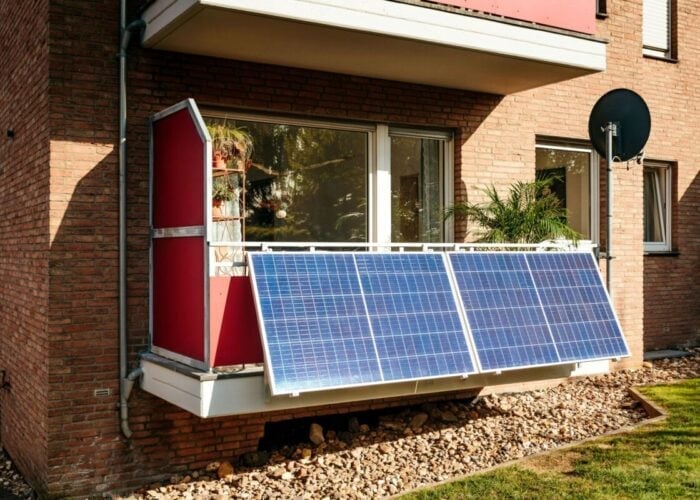
The “joker in the pack” for the Sub-Saharan region is likely to be rooftop and other small-scale PV, which has the potential to “enjoy explosive growth” in towns and cities and off-grid rural areas, said Derek Campbell, Cape Town based analyst for BNEF.
However, the sector requires more viable financing models such as Kenya’s M-KOPA model, said Campbell. “The question is whether people in other [African] countries can warm to the idea of generating their own solar power in the same way as they flocked to mobile telephony,” he added.