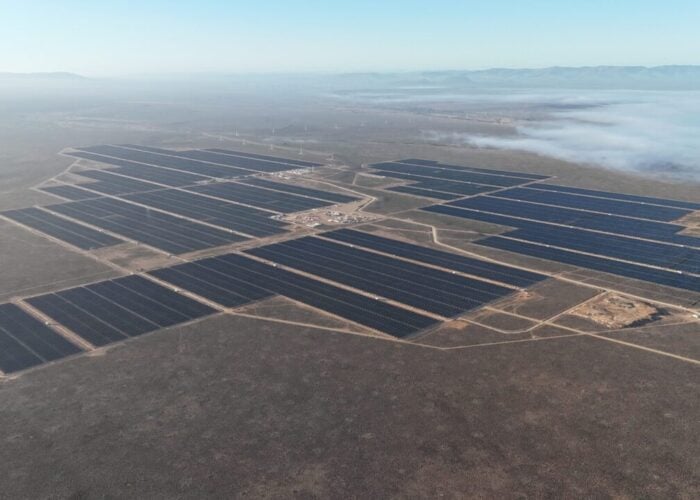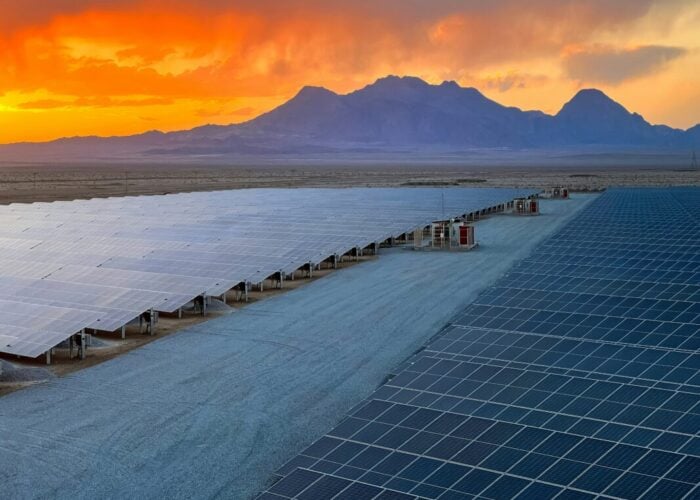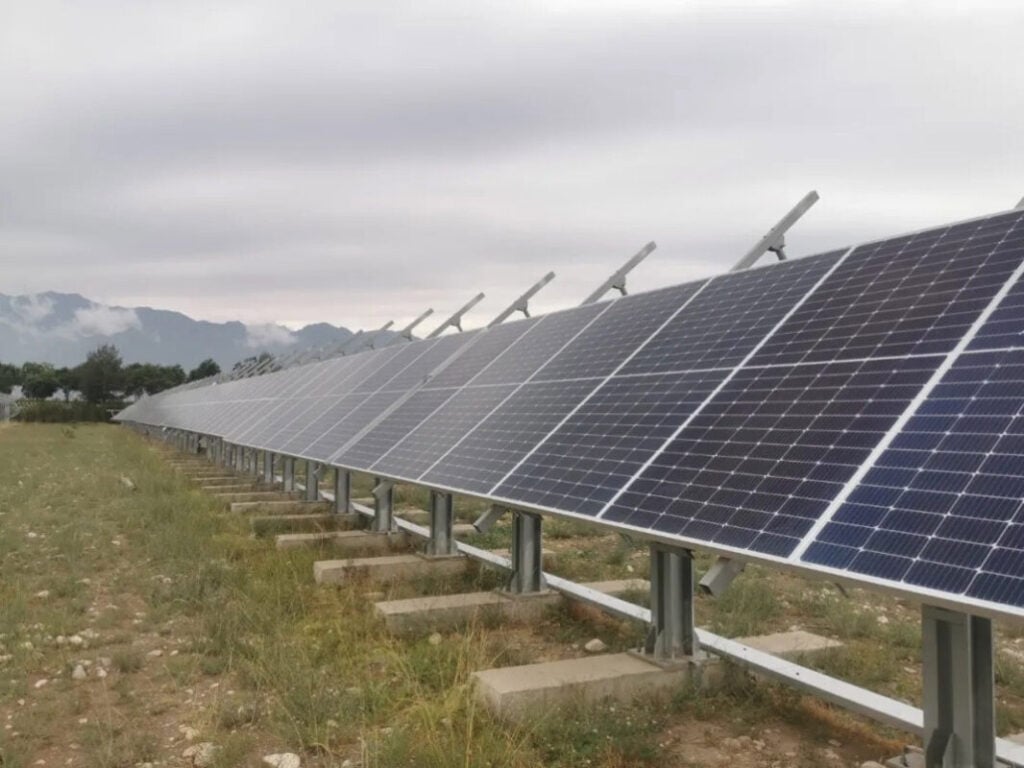
Data centre service provider Teraco has selected Chinse module manufacturer JA to deliver n-type solar PV modules to its 120MW Sediba solar PV project in Parys, Free State province, South Africa.
JA said that the Sediba site experiences seasonal temperature variations, dusty conditions and the prevalence of extreme weather events such as thunderstorms and that it was selected as the module supplier due to the “performance, durability and long-term reliability” of its modules.
Try Premium for just $1
- Full premium access for the first month at only $1
- Converts to an annual rate after 30 days unless cancelled
- Cancel anytime during the trial period
Premium Benefits
- Expert industry analysis and interviews
- Digital access to PV Tech Power journal
- Exclusive event discounts
Or get the full Premium subscription right away
Or continue reading this article for free
The energy generated by the Sediba solar PV project will feed into the national grid, and corresponding renewable energy will be supplied to Teraco’s data centre operations via a power-wheeling arrangement with the two municipalities between the solar site and Teraco’s data centres, via the South African national grid operator, Eskom.
The Sediba project is expected to generate more than 354,000MWh of renewable electricity annually once operations begin by the end of this year. In November 2024, Teraco partnered with German solar developer Juwi to design and manage procurement, construction and commissioning of the site.
In Q3 this year, South Africa registered 139 new solar PV projects with a total capacity of 2,045MW, according to the National Energy Regulator of South Africa (NERSA).
The news follows JA’s rebranding into four business groups: JA SOLAR (for solar PV), JA ESS (energy storage solutions), JA GREEN (smart energy) and JA CAPITAL (financing). Its rebrand was seen in part as a reaction to poor financial performance which has affected sections of the Chinese PV supply chain in recent months.
The country’s leading companies, including JA, reported a combined deficit of more than RMB10 billion (US$1.5 billion) in the first half of the year due to a persistent mismatch in product supply and demand and the recent closing of export tax rebates in China.