PV Tech and JinkoSolar have co-hosted two webinars in recent weeks detailing the advantages of n-type modules and the ecosystem that is developing around the technology, both of which can be viewed on-demand following the hyperlinks above.
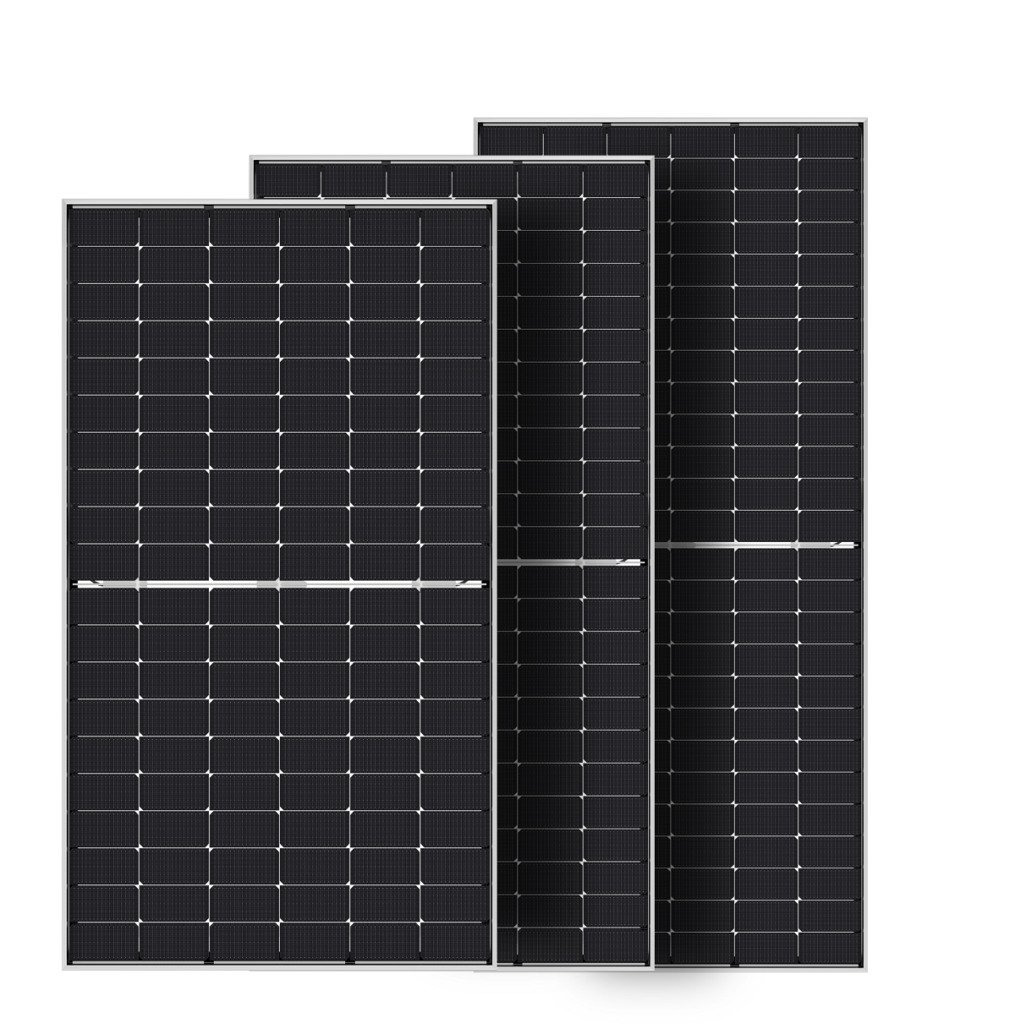
Product Outline: JinkoSolar’s Tiger Neo 78HL4-BDV N-type module, built on a 182mm M10 monocrystalline silicon wafer, is based on Tunnel Oxide Passivated Contact (TOPCon) technology. The TOPCon cell applies cutting-edge and high-efficiency passivation contact technology and uses an ultra-thin tunneling oxide layer. Which demonstrates significant improvements in cell conversion efficiency and power generation performance. The so-called HOT2.0 cell achieves a breakthrough efficiency of 25.4%.
Try Premium for just $1
- Full premium access for the first month at only $1
- Converts to an annual rate after 30 days unless cancelled
- Cancel anytime during the trial period
Premium Benefits
- Expert industry analysis and interviews
- Digital access to PV Tech Power journal
- Exclusive event discounts
Or get the full Premium subscription right away
Or continue reading this article for free
Problem: With the rapid development of renewable energy around the world, land resources for projects are becoming increasingly scarce in many regions. Optimising profitability and land resource by selecting the highest efficiency module is an important topic. The LCOE drives market demand.
Solution: High-power and high-efficiency modules have become a trend, and the N-type module has an obvious effect on reducing project costs. It adopts half-cell and multi busbar technology, offers higher maximum power output and better temperature coefficient of -0.30%/℃. This means the power generation performance is optimised at high temperatures.
The module is offered in dual glass format with a bifaciality factor up to 85% which contributes to a power gain up to 11.48%. Compared with traditional PERC modules, the N-type TOPCon module has a better low light performance, extending the power generation period by about ne hour in the morning and one hour in the evening.
Additionally, the N-type wafers are doped with phosphorus which greatly reduces the boron-oxygen-related light-induced degradation (LID), and are also resistant to light and elevated temperature-induced degradation (LeTID).
The module’s enhanced reliability and less degradation lead to an extended warranty by JinkoSolar. The first year degradation is lower than 1% which means the power output at year 30 is guaranteed to be at least 87.4%. Working current is slightly increased and compatibility with standard modules is easy to be achieved.
JinkoSolar’s Tiger Neo module has a maximum power of 610W, which can increase power by 15-20W compared to P-type equivalents. Overall, the improved energy generation is over 3% compared to P-type cells. Tiger Neo series can reduce LCOE by more than 6% and increase IRR by 5.31% compared to the P type, which makes it the optimal choice for PV project investment.
In addition, the preferredlandscape vertical packaging has a lower barycenter resulting in a lower risk of modules overturning during packing and unpacking. This design advantage for operational safety performance is a key point for better reliability during sea transportation, better stability of packaging and for the safety of employees involved.
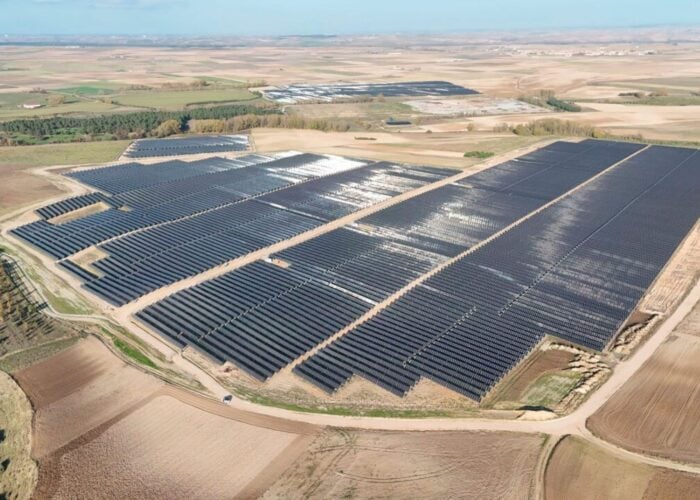
Application: Utility-scale PV power plants
Availability: Currently available.