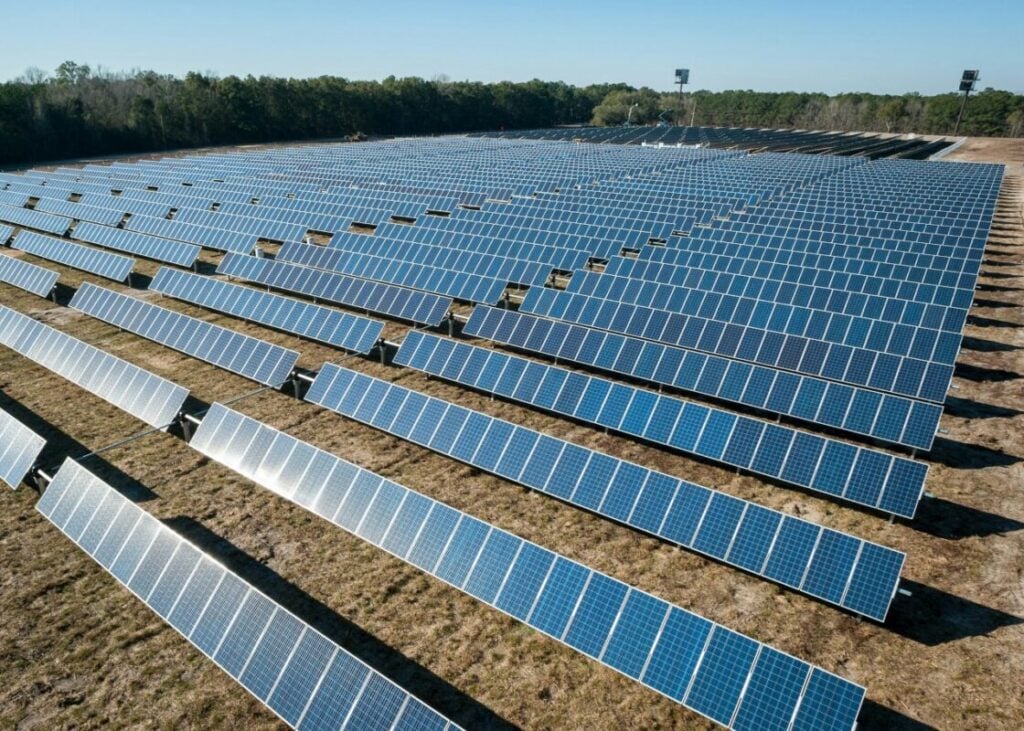
The US added 11.4GW of solar PV capacity in Q2 2026, a 45% year-on-year increase, according to data from the Solar Energy Industries Association (SEIA).
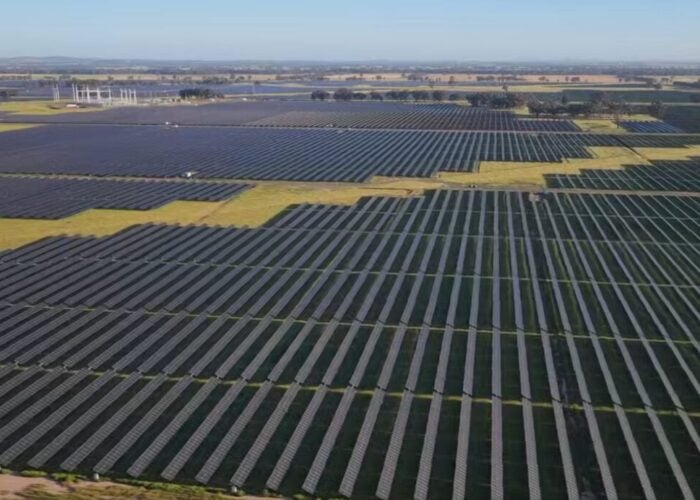
The additions were driven “almost entirely” by the utility-scale solar sector, SEIA’s report said, which added 9.6GW between the start of April and July. This was a 61% year-on-year (YoY) increase and a 54% increase from Q1 2026.
Try Premium for just $1
- Full premium access for the first month at only $1
- Converts to an annual rate after 30 days unless cancelled
- Cancel anytime during the trial period
Premium Benefits
- Expert industry analysis and interviews
- Digital access to PV Tech Power journal
- Exclusive event discounts
Or get the full Premium subscription right away
Or continue reading this article for free
Residential PV installations were 995MW, down 12% YoY; corporate and industrial (C&I) additions were 638MW, up 11%; and 231MW of community solar was installed, a 14% decline compared with the same period last year.
The concentration on utility-scale developments was a direct response to the Trump administration’s phaseout of tax credits for renewable energy deployments from 4 July 2026 and the “safe harbour” period that requires projects are placed in service.
The changes were the biggest story in US solar over late 2025 and the first half of 2026, and triggered a rush of projects either reaching operations or beginning construction to secure grandfathered access to the investment and production tax credits (ITC/PTC). As such, it is reasonable to expect that utility-scale solar additions will remain high in the US for the rest of the year, though there are headwinds around permitting and other barriers to deployment.
“Robust project pipelines and the build out of safe-harbored capacity will sustain roughly 44GWdc of annual capacity through 2031,” said Caitlin Connelly, senior analyst at Wood Mackenzie, which co-authored the report with SEIA. “However, permitting and the post-ITC transition remain significant headwinds.
You can read PV Tech’s coverage of the tax credit changes and safe harbour mechanisms here, including deep-dives on strategies for securing ITC eligibility and new procurement tactics in the industry.
SEIA said that the US now has enough operating solar capacity to power around 50 million US homes—just under 300GW. Over 70% of all new US electricity-generation capacity added in the first half of 2026 was solar PV and energy storage capacity, SEIA said, with solar accounting for 45% on its own.
“Solar and storage have grown to a scale most Americans have yet to fully realise and we simply can’t meet America’s growing energy needs without these technologies,”said SEIA CEO Tim Pawlenty.
A report from financial advisory firm Lazard found that solar PV continues to offer the cheapest electricity in the US despite the impacts of tariffs and policy changes.