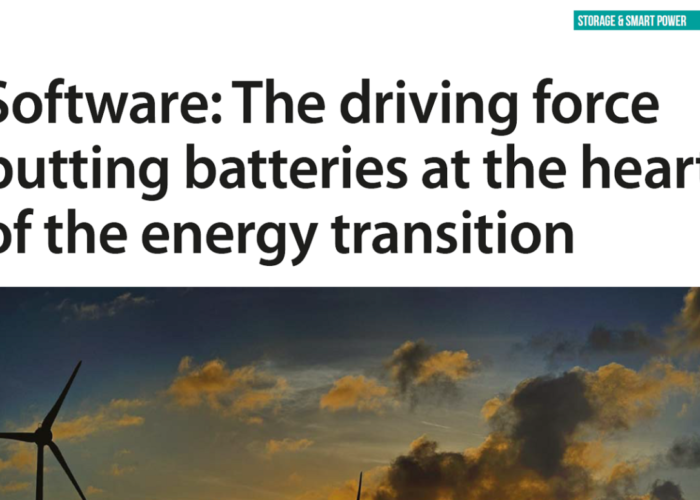
Software is rapidly becoming recognised as key to the value proposition and bankability of energy storage, which in turn lies at the heart of the low carbon energy transition. Andy Colthorpe speaks to three providers of software aimed at the energy storage industry.
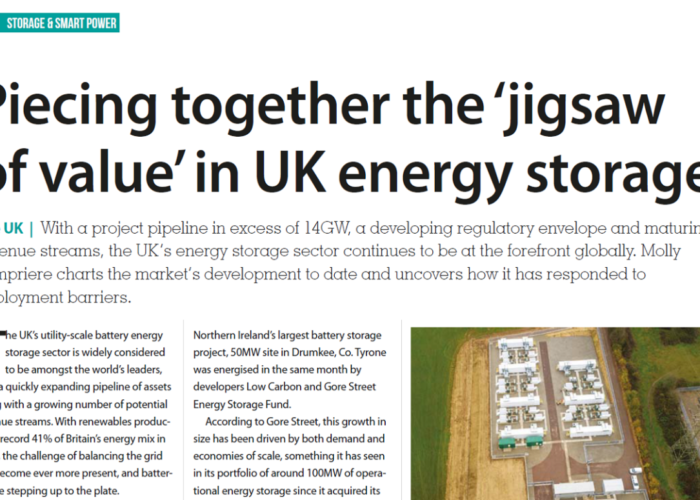
With a project pipeline in excess of 14GW, a developing regulatory envelope and maturing revenue streams, the UK’s energy storage sector continues to be at the forefront globally. Molly Lempriere charts the market’s development to date and uncovers how it has responded to deployment barriers.
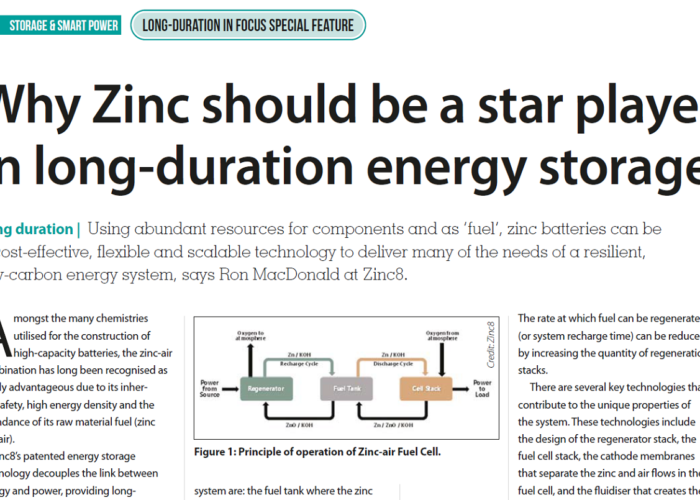
Using abundant resources for components and as ‘fuel’, zinc batteries can be a cost-effective, flexible and scalable technology to deliver many of the needs of a resilient, low-carbon energy system, says Ron MacDonald at Zinc8.
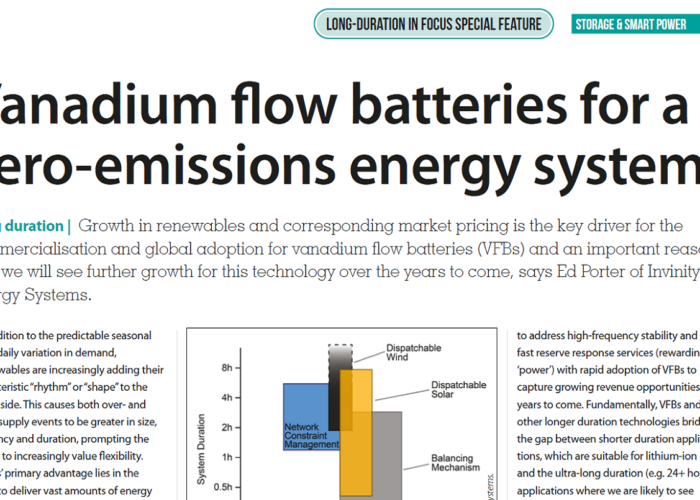
Growth in renewables and corresponding market pricing is the key driver for the commercialisation and global adoption for vanadium flow batteries (VFBs) and an important reason why we will see further growth for this technology over the years to come, says Ed Porter of Invinity Energy Systems.
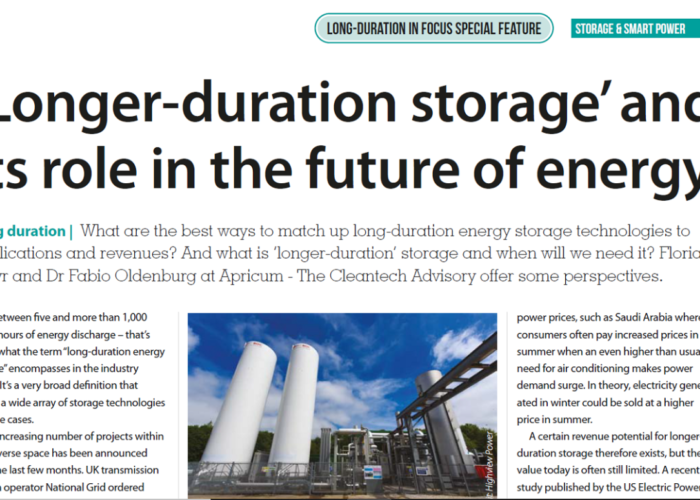
What are the best ways to match up long-duration energy storage technologies to applications and revenues? And what is ‘longer-duration’ storage and when will we need it? Florian Mayr and Dr Fabio Oldenburg at Apricum - The Cleantech Advisory offer some perspectives.
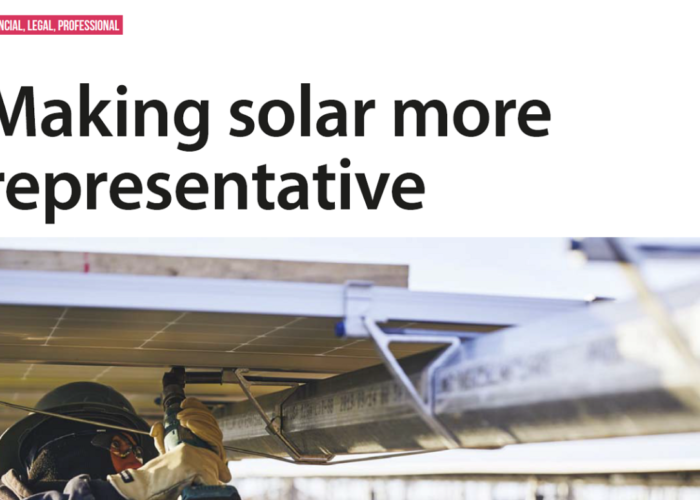
As increased emphasis is placed on diversity society-wide, Alice Grundy takes a look at efforts from across the solar sector to increase diversity within its ranks.
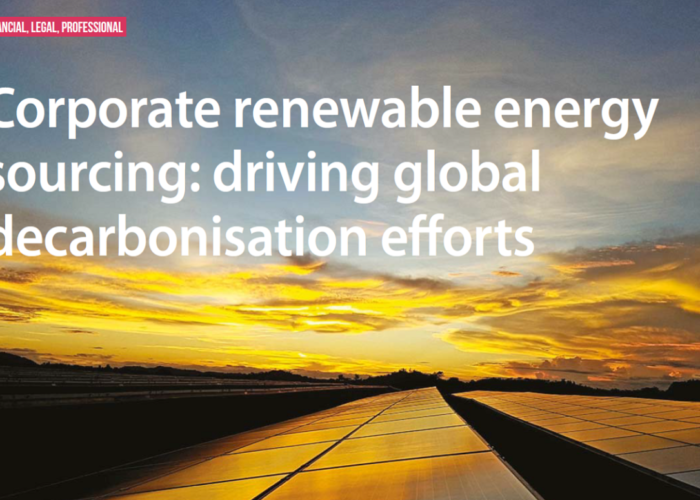
Companies are purchasing solar, wind, and other forms of renewable energy more than ever before. The power purchase agreement (PPA) market in Europe has grown to a cumulative capacity of over 12GW, with a record 4GW signed in 2020. Corporate climate commitments are opening doors for investment in renewable energy, and continued price declines are convincing companies to sign new contracts. Is the European market ready to fulfil its potential? By Dr. Mercè Labordena, senior policy advisor at SolarPower Europe, and Milena Koot, communications advisor at SolarPower Europe.
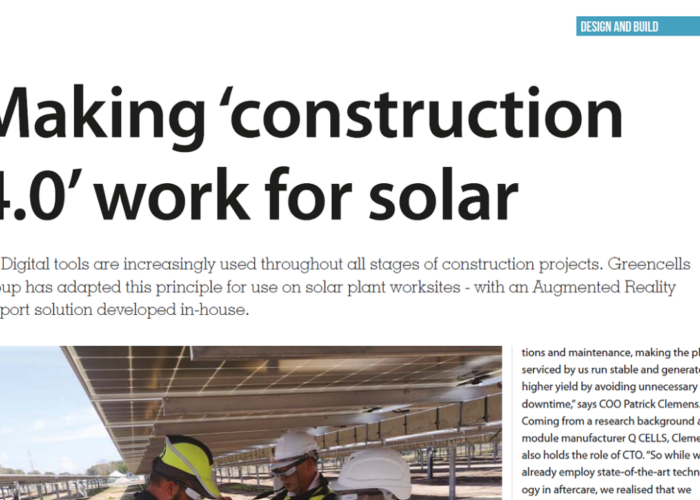
Digital tools are increasingly used throughout all stages of construction projects. Greencells Group has adapted this principle for use on solar plant worksites - with an Augmented Reality support solution developed in-house.
Analysing the manufacturer's recent results disclosure, Mark Osborne details how Canadian Solar is falling behind its key rivals regarding its manufacturing expansions and shipments plans
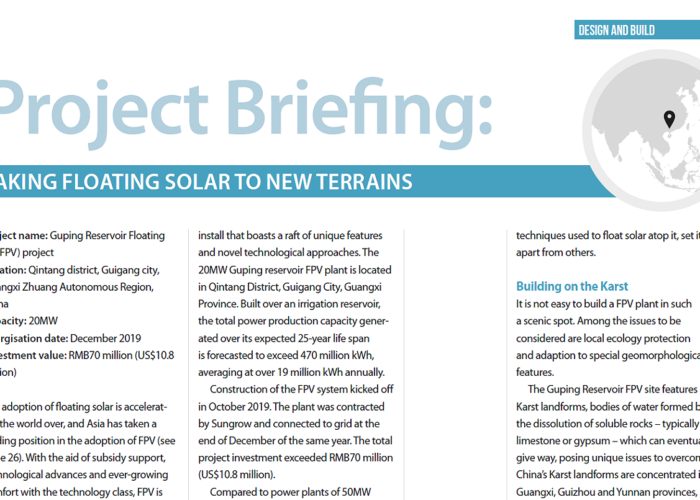
The adoption of floating solar is accelerating the world over, and Asia has taken a leading position in the adoption of FPV. With the aid of subsidy support, technological advances and ever-growing comfort with the technology class, FPV is being taken to ever newer and more hard-to-reach bodies of water.