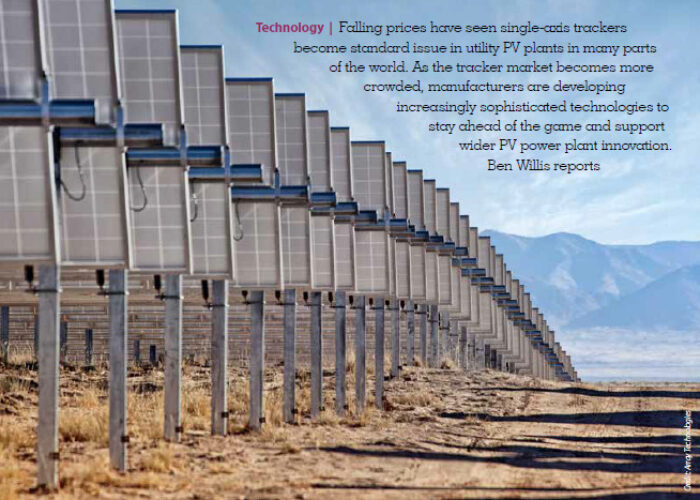
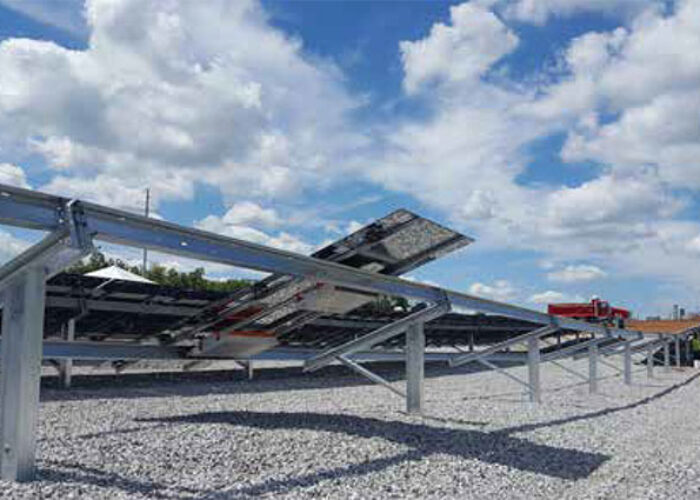
Technology | Falling prices have seen single-axis trackers become standard issue in utility PV plants in many parts of the world. As the tracker market becomes more crowded, manufacturers are developing increasingly sophisticated technologies to stay ahead of the game and support wider PV power plant innovation.
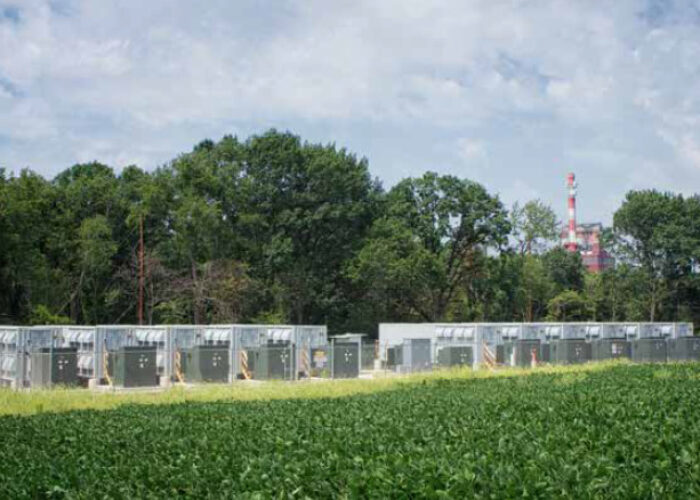
Policy | State governments and agencies have a key role to play in fostering the growth of energy storage.The key policies, programmes and incentives being used by America’s pioneering storage states are discussed.
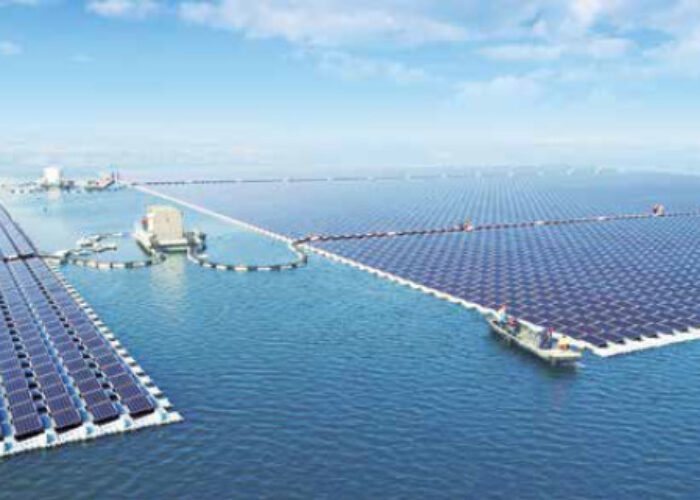
The technical feasibility of floating solar PV and its long-term durability have often been questioned, but this year’s commissioning of a giant project on a lake in eastern China has launched the technology into the global spotlight.
Markets | The UK government has placed energy storage at the forefront of its industrial strategy. How this is creating the right conditions for what many believe will be a boom market in years to come is discussed.
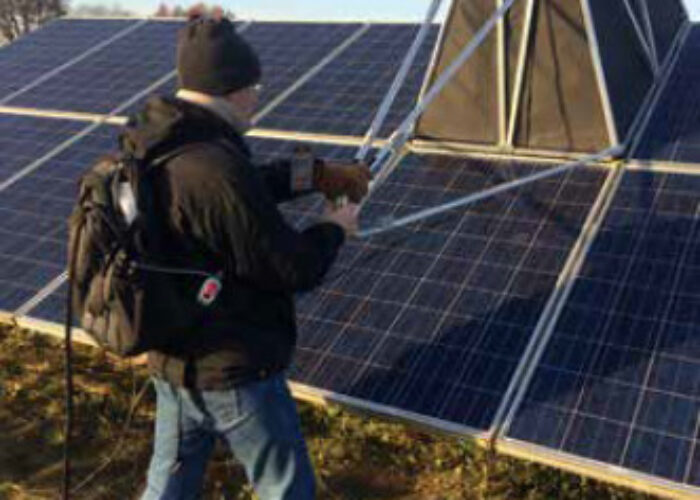
Module failure | Defective modules causing power losses in PV systems need to be easily detected
with a rapid and cost-effective inspection method. UV fluorescence of module encapsulation polymers is used for the fast detection of module failures under daylight conditions without disconnection, allowing the inspection of up to 200 modules in an hour during daytime
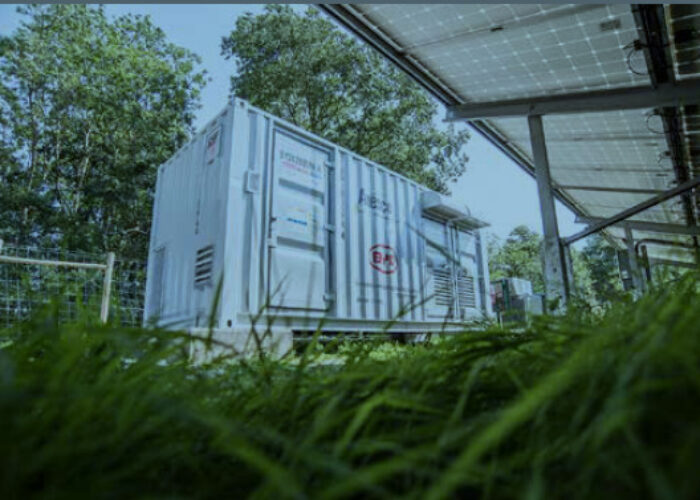
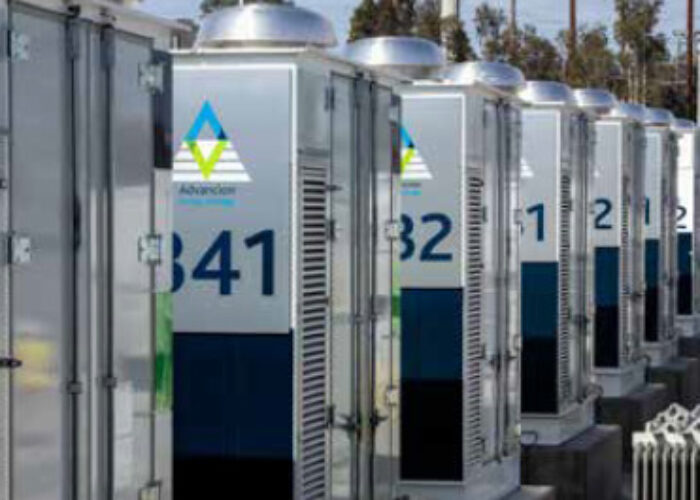
Grid storage | The advent of grid-scale energy storage means a whole raft of new technical, safety and risk-mitigation requirements for the industry to understand.Guidance designed to help stakeholders get to grips with this fast-emerging sector is discussed.
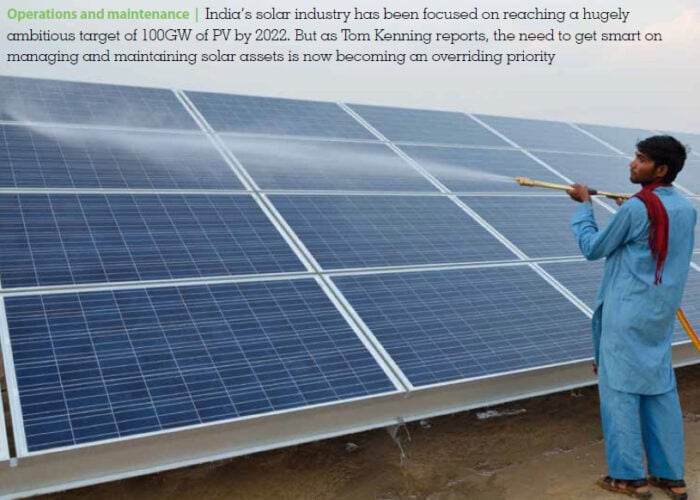
Operations and maintenance | India’s solar industry has been focused on reaching a hugely
ambitious target of 100GW of PV by 2022. There is a need to get smart on managing and maintaining solar assets is now becoming an overriding priority.
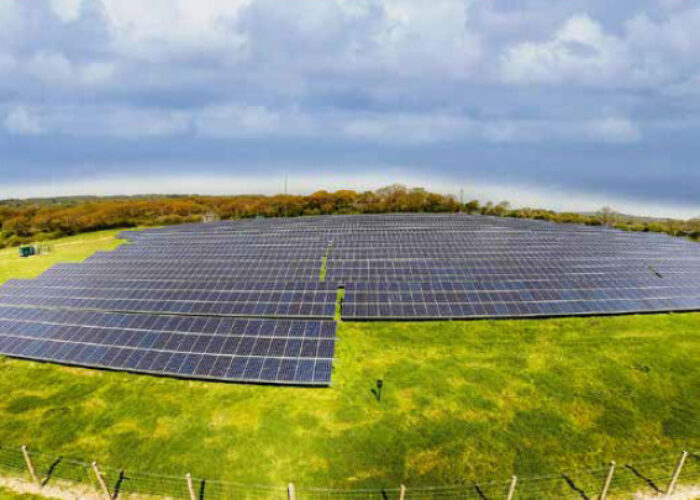
Grid | Solar generators in the UK have been facing the prospect of having large volumes of capacity temporarily shut down due to grid capacity constraints. The efforts being made to minimise the impacts of curtailment are discussed.
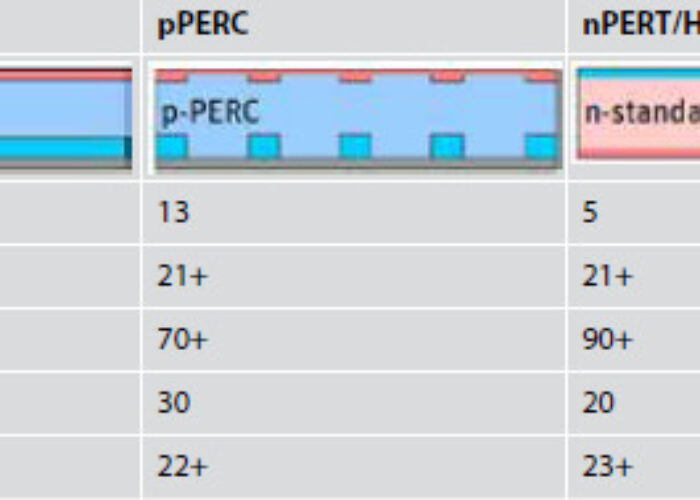
Cell and module technology | One of the defining trends to emerge so far in 2017 has been an explosion of interest in bifacial PV technology. Some of the key technologies vying for position at the vanguard of this fast-growing part of the market are discussed.
Construction | Automated systems to speed up the construction of PV power plants have become a
key tool in building bigger and cheaper projects. Some of the state-of-art technologies helping the industry drive down system costs are discussed.