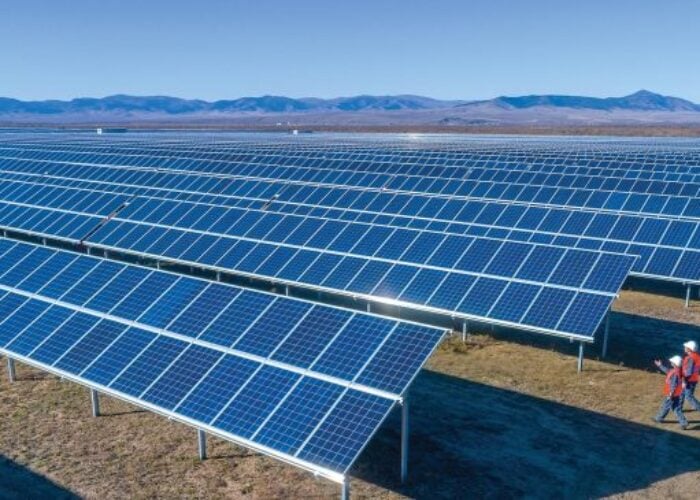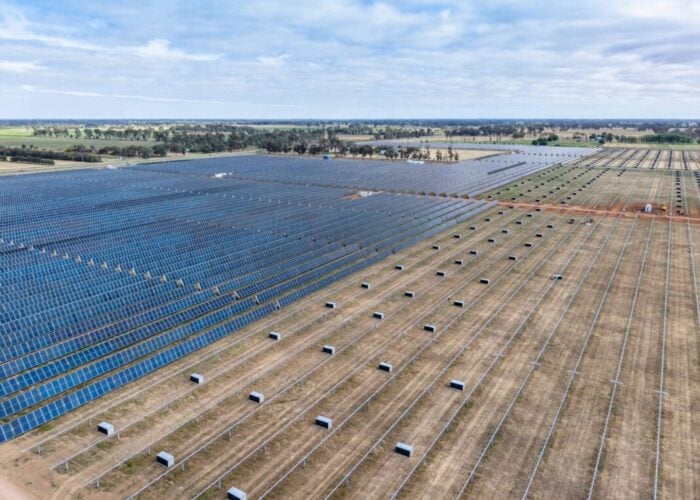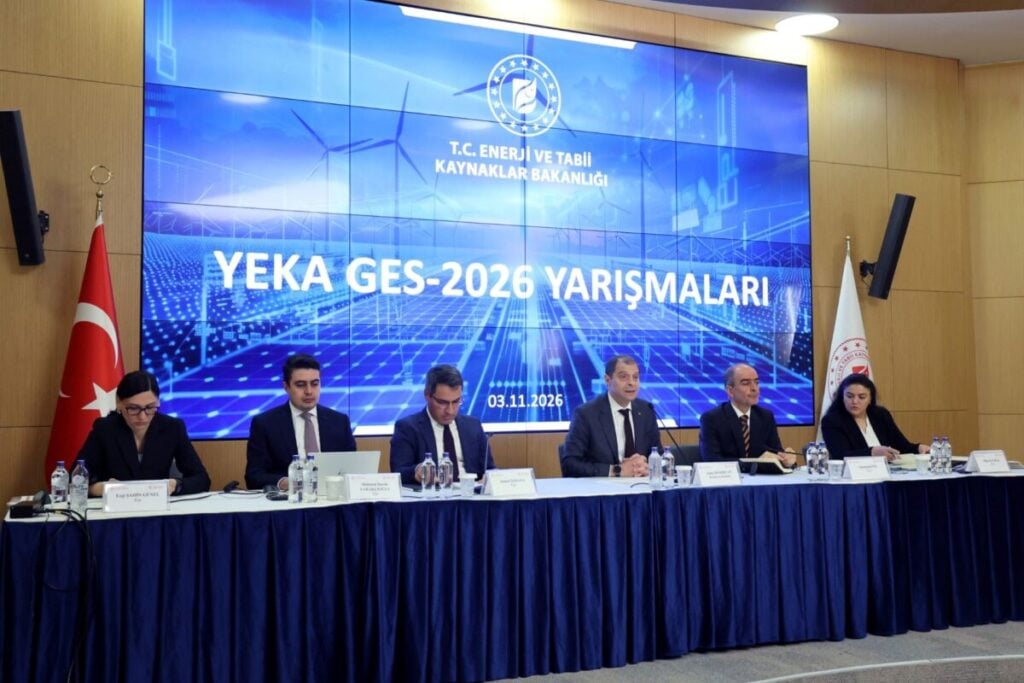
The Turkish Ministry of Energy and Natural Resources has allocated 785MW of solar PV capacity in the latest Renewable Resource Areas (YEKA) GES-2026 tender.
In total, 11 projects out of 44 bids were selected, with solar PV plants located across the cities of Denizli, Ankara, Konya, Kahramanmaraş, Malatya, Diyarbakır, Mardin, Batman and Elazığ.
Try Premium for just $1
- Full premium access for the first month at only $1
- Converts to an annual rate after 30 days unless cancelled
- Cancel anytime during the trial period
Premium Benefits
- Expert industry analysis and interviews
- Digital access to PV Tech Power journal
- Exclusive event discounts
Or get the full Premium subscription right away
Or continue reading this article for free
The size of the projects ranged from 25MW to 200MW capacity, with developers Egesa Energy and July Solar Energy awarded three projects each. All the projects awarded in this tender will have a purchase price of €3.25 cts per kWh (US$0.0372), which is in line with the price from the previous tender held last year.
However, the projects awarded in that tender will be able to sell the electricity they produce from the PV plants on the free market for a period of 60 months before starting the 20-year offtake agreement at €0.0325/kWh (US$0.0372/kWh).
Energy and Natural Resources Minister Alparslan Bayraktar said that with these latest tender results, his ministry has already allocated nearly 2.3GW of solar PV and wind power across Turkey. “Thanks to this, we will bring a total of US$1.9 billion in new investments to our country,” added Bayraktar.
The tenders issued by the Turkish Ministry of Energy and Natural Resources will help the country expand its installed solar PV and wind power capacity as it aims to reach 120GW across both technologies by 2035. A report from Ember earlier this year highlighted that, for Turkey to reach that target, it needed to triple its annual installation rate of solar PV and wind.
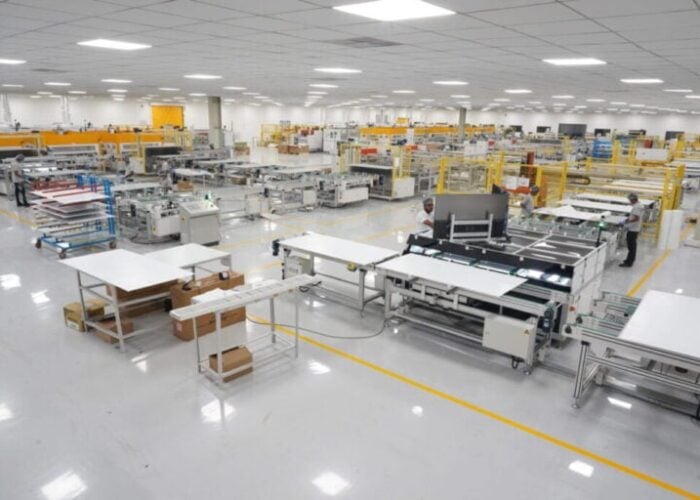
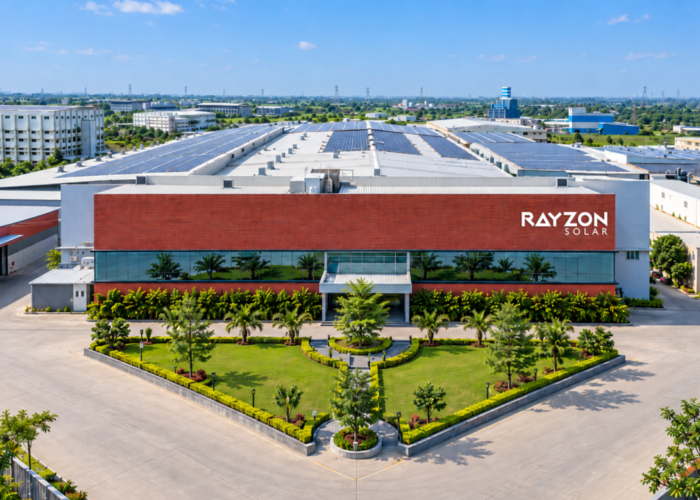
As the country moves towards increasing the share of renewables in its electricity generation, it has also taken steps to build a domestic supply chain for solar PV manufacturing. The country has been one of the primary drivers in the growth of solar cell and module manufacturing on the continent in the past few years.