A round-up of the latest news in solar project development, as juwi hits 3GW installed PV milestone, Greencells makes further progress in the Netherlands and plans for a Cambodian solar-plus-storage microgrid are announced.
A consortium of solar module, cell and wafer manufacturers have proposed to standardise 210mm product sizes in a bid to achieve the “best possible scale” for the solar industry.
Vietnam is set to expand its solar and wind capacity as a supportive regulatory environment and growing investor confidence spur on new project development, according to consultancy Fitch Solutions.
India will provide additional support for domestic solar equipment manufacturers to help meet the country’s soaring renewable energy generation capacity, Prime Minister Narendra Modi has said.
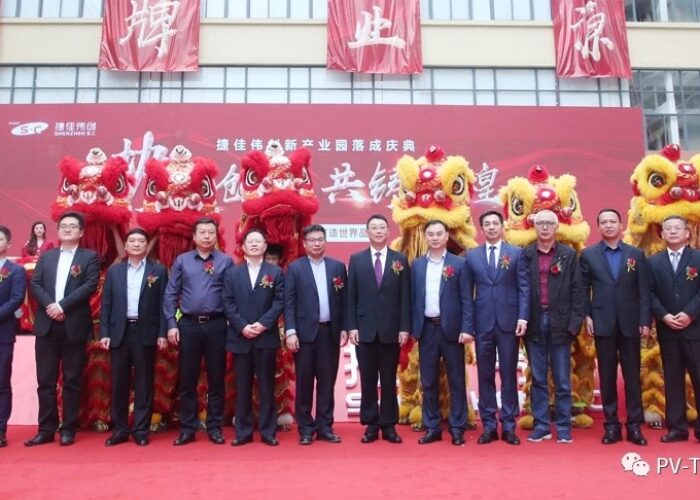
Solar cell manufacturer Runergy has signed a strategic cooperation agreement with equipment provider Shenzhen SC in a bid to add 30GW of mono PERC and 5GW heterojunction cell capacity to its lines.
Solar tariffs in India hit a record low of INR2/kWh (US$0.0270/kWh) following an auction this week for 1,070MW of PV projects that are set to be developed in the state of Rajasthan.
China’s Ministry of Finance has handed completed solar projects in the country a major boon by approving all completed renewables generators to its subsidy catalogue.