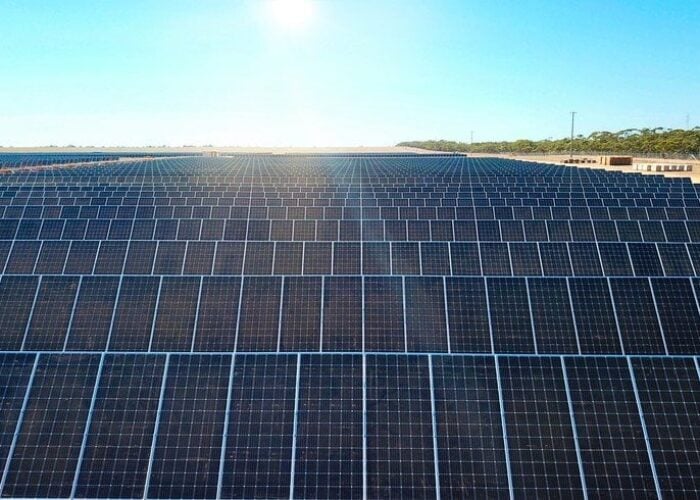
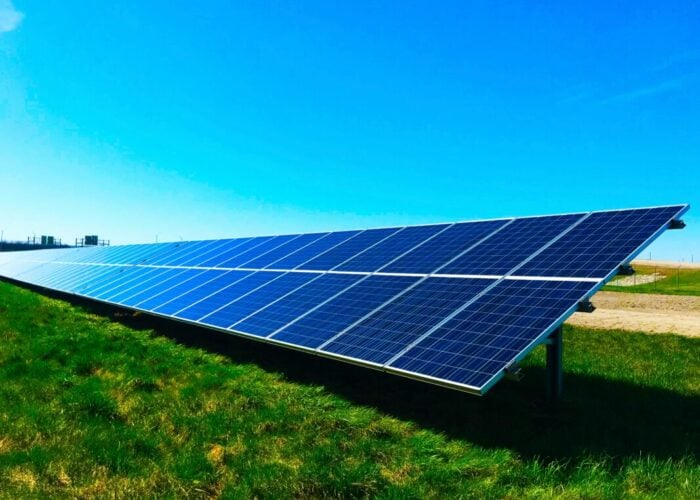
A group of experts from the private and public wind, solar, and power sectors recently completed and published, with the National Renewable Energy Laboratory, “The Western Wind and Solar Integration Study.” The report looks at benefits and challenges that come when incorporating wind and solar energy capacity into the grid to produce 35% of its electricity needs by 2017. The study is a starting point for utilities in the Western region to plan the proper increase in renewable energy production when incorporating wind and solar energy plants onto the grid.
“If key changes can be made to standard operating procedures, our research shows that large amounts of wind and solar can be incorporated onto the grid without a lot of backup generation,” said Debra Lew, NREL project manager for the study. “When you coordinate the operations between utilities across a large geographic area, you decrease the effect of the variability of wind and solar energy sources, mitigating the unpredictability of Mother Nature.”
Try Premium for just $1
- Full premium access for the first month at only $1
- Converts to an annual rate after 30 days unless cancelled
- Cancel anytime during the trial period
Premium Benefits
- Expert industry analysis and interviews
- Digital access to PV Tech Power journal
- Exclusive event discounts
Or get the full Premium subscription right away
Or continue reading this article for free
Focusing on the operational impacts of wind, PV, and concentrating solar power on the power system operated by WestConnect, the study found that the 2017 target is not only possible, but it doesn’t require extensive additional infrastructure-–only strategic changes in the current operational practice.
A technical analysis confirmed that 30% wind and 5% solar energy penetration is possible if utilities will increase their coordination of operations over a large geographic area and schedule their generation deliveries on a more recurrent timeline. The NREL study also found that if utilities generate 27% of their electricity from wind and solar power along the Western grid, carbon emissions could decrease by 25% to 45%.
To read the full study, click here.