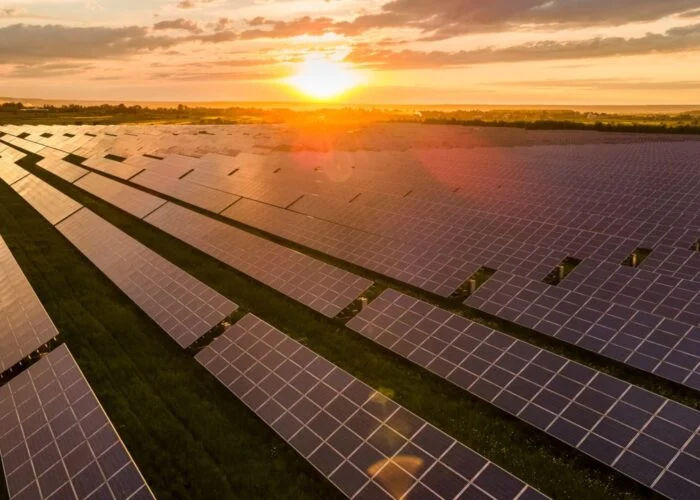
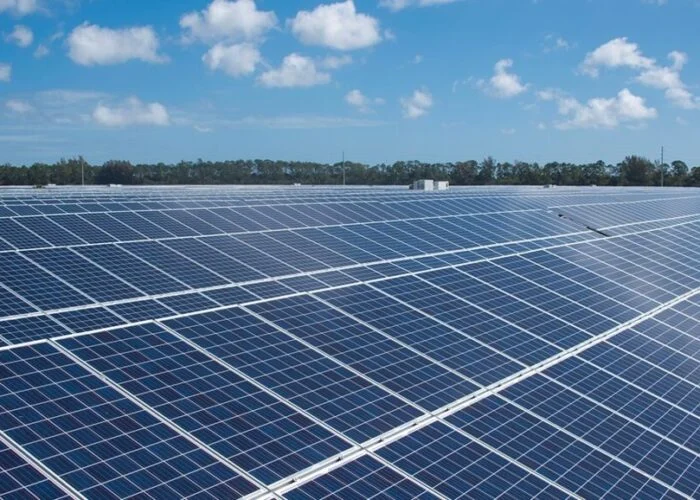
Government-owned Puerto Rican electric power company Autoridad de Energia Electrica (AEE) has made it mandatory for developers of renewable energy projects to incorporate energy storage into new installations.
The new Minimum Technical Requirement (MTR) regulations have been introduced with the aim of minimising the impact of adding extra renewable energy capacity to the grid and reducing the level of infrastructure investment required to accommodate it.
Try Premium for just $1
- Full premium access for the first month at only $1
- Converts to an annual rate after 30 days unless cancelled
- Cancel anytime during the trial period
Premium Benefits
- Expert industry analysis and interviews
- Digital access to PV Tech Power journal
- Exclusive event discounts
Or get the full Premium subscription right away
Or continue reading this article for free
Under new regulations, operators of renewable energy projects will be required to add 30% of the installation’s rated capacity in storage to aid frequency control, as well as the flexibility to keep 45% of the project’s capacity in reserve for at least one minute for ramping control to compensate for fluctuations in generated power from variable sources.
According to AEE executive director John F Alicea Flores, the company, which has a national monopoly on electricity generation, transmission and distribution through the grid and serves as regulator, recently completed a series of evaluations to find a realistic level of compliance that developers could meet.
In order to lower electricity prices for ratepayers and to make it easier to add new sources of electricity generated by renewable projects including PV, the Caribbean island territory’s government announced in October that it would begin renegotiating power purchase agreements (PPA) with project developers. According to Flores, negotiations are ongoing and AEE hopes to find “fair prices for all parties”. If negotiations are successful as expected, AEE will agree to purchase electricity from a number of renewable projects. Project proposals have been submitted from 64 developers, of which 15 are in the process of negotiating PPAs under the new MTR standards, according to local news sources.
In January 2014, the government of Puerto Rico will launch a new drive to procure 600MW of renewable energy capacity with the aim of adding that amount by the end of next year. This would represent an increase of 5% of energy generated from renewables in the Puerto Rican national energy mix, from 1% at present, to 6%.
Additionally, Puerto Rican authorities have also announced that proposed renewable energy projects on ‘sensitive’ or agricultural lands will be rejected.
To date, although energy storage has been recognised as a possible solution to providing adequate frequency control and ramping control to electricity transmission and distribution infrastructures, only authorities in California, via a storage requirement for utilities, Germany, via a subsidy on storage systems payable to residential users and Japan, through experiments in large-scale battery storage, have introduced policy measures aimed at adding energy storage to networks.