The Australian Renewable Energy Agency (ARENA) has launched an AU$50 million (US$36 million) programme to support microgrid pilot projects and improve the reliability of electricity supply across regional Australia.
Called the Regional Australia Microgrid Pilots Program (RAMPP), the six-year initiative will demonstrate solutions to technical, regulatory or commercial barriers to the deployment of microgrid technologies.
Try Premium for just $1
- Full premium access for the first month at only $1
- Converts to an annual rate after 30 days unless cancelled
- Cancel anytime during the trial period
Premium Benefits
- Expert industry analysis and interviews
- Digital access to PV Tech Power journal
- Exclusive event discounts
Or get the full Premium subscription right away
Or continue reading this article for free
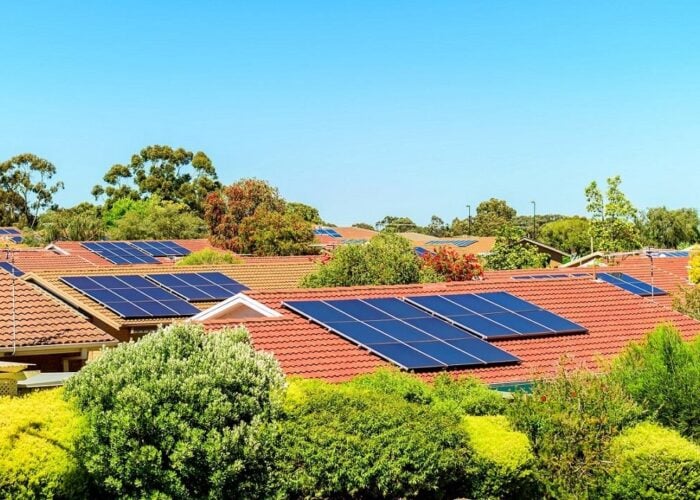
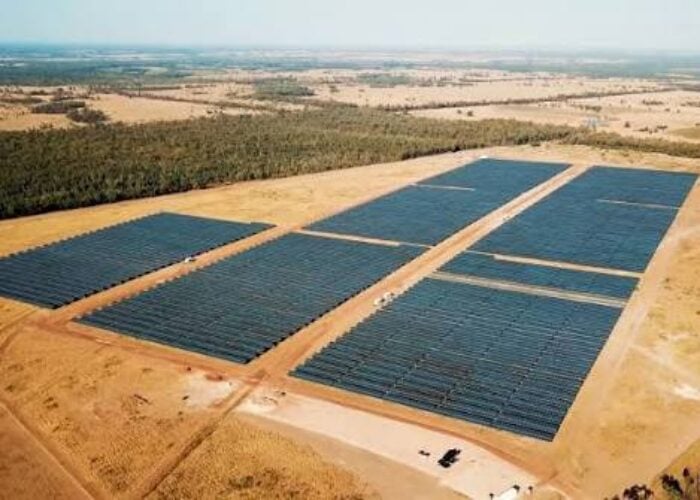
ARENA touted the potential of microgrids to help remote communities switch to renewables and reduce emissions and energy costs. The agency is expecting applications to demonstrate grid-connected microgrids, standalone power systems and remote isolated microgrids.
“Whether it’s maintaining electricity supply during and after emergencies such as bushfires and floods, or improving the reliability and security of power supply in remote communities, this programme will showcase the diverse benefits microgrids offer regional Australia,” said ARENA CEO Darren Miller.
Microgrids are small-scale electricity systems that can coordinate local energy resources such as solar, battery storage and other distributed infrastructure to provide reliable electricity.
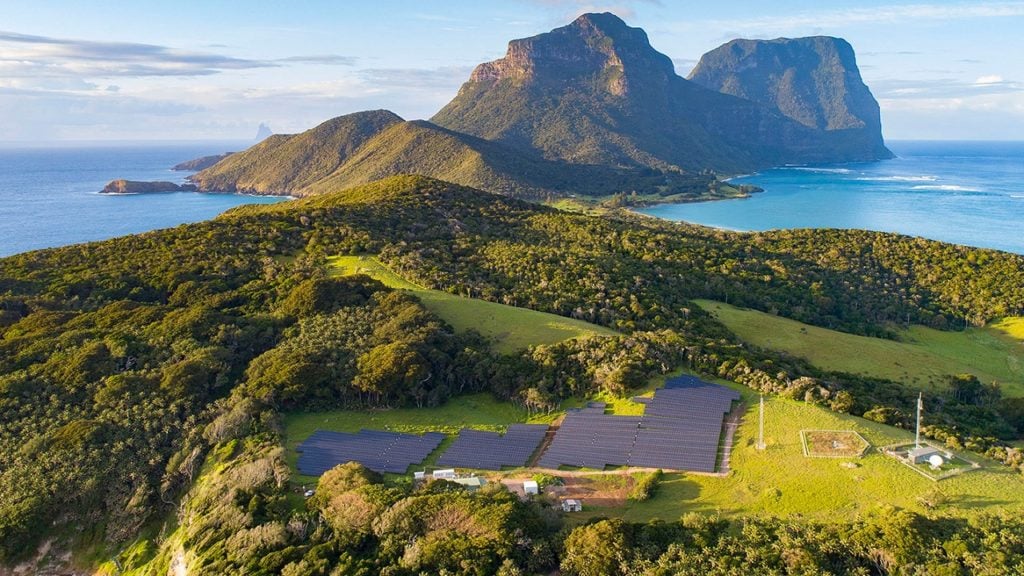
ARENA’s previous support for microgrids has seen it provide AU$4.5 million for a microgrid at Lord Howe Island, New South Wales, that features a 1.3MWp solar array and a 1MW / 3.7MWh battery energy storage system (BESS), and was completed by EPC contractor Photon Energy earlier this month.
The agency also provided funding for a microgrid that powers the Agnew Gold Mine in Western Australia. Enabling the mine to meet more than 50% of its energy demand with renewables, the project includes a 4MW solar project, 18MW wind farm, 13 MW / 4MWh BESS and a 16MW gas engine power station.
It was revealed earlier this year that a microgrid deployed at Onslow, Western Australia, allowed the remote town to be powered by 100% renewables for 80 minutes thanks to the use of a distributed energy resource system, which uses predictive analytics to maximise the amount of renewable energy used in the microgrid.