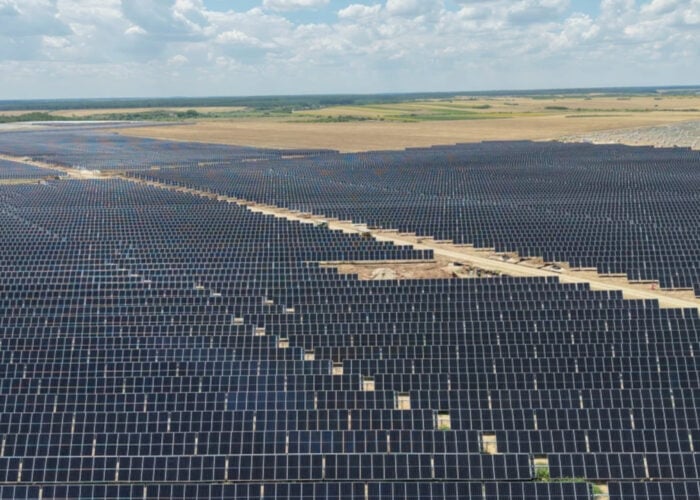
Bloomberg New Energy Finance (BNEF) figures have underlined previous analysis by PV Tech suggesting a mass overseas relocation of production capacity by Chinese PV manufacturers in response to increasingly hostile trading conditions.
Figures from the market research firm reported by Bloomberg indicate that Chinese manufacturers are planning to build some 5.3GW of new production capacity in countries such as Malaysia and Thailand by the end of this year.
Try Premium for just $1
- Full premium access for the first month at only $1
- Converts to an annual rate after 30 days unless cancelled
- Cancel anytime during the trial period
Premium Benefits
- Expert industry analysis and interviews
- Digital access to PV Tech Power journal
- Exclusive event discounts
Or get the full Premium subscription right away
Or continue reading this article for free
The apparent driver for this phenomenon is the increasingly tough stance taken by the likes of the USA and European Union against unfair pricing practices employed by Chinese companies selling into those markets. This has forced Chinese companies to find alternative manufacturing locations to avoid falling foul of punitive import duties.
BNEF’s figures reinforce analysis published by PV Tech last week, which revealed that none of the new production plans so far announced this year by Chinese firm has included new capacity on Chinese soil.
PV Tech’s figures suggest all of the 6.7GW of new capacity announced by Chinese firms in the first half of 2015 will go to overseas countries, including India, Malaysia, Thailand, South Korea, Brazil and the US.
But whether the strategy employed by Chinese firms to evade duties will be successful remains to be seen.
Recently the US government responded to requests by SolarWorld, the main agitator in the US and EU trade cases, to close loopholes used by Chinese companies to circumvent duties by outsourcing production of key components to Taiwan. The company has indicated that it is continuing to monitor the situation and will act if it believes other countries are behaving unfairly.
A similar situation is developing in Europe, where the European Commission has opened an investigation into Malaysia and Taiwan to determine whether they should be included in the duties imposed by the EU on Chinese solar imports.
SolarWorld has said it would notify the commission of other countries it suspects Chinese firms of using to flout import duties if it gathers sufficient evidence of such practices.