Lack of finance, poor regulation and corruption continue to impede the deployment of renewable energy in the developing world, the head of off-grid specialist Sunlabob has said.
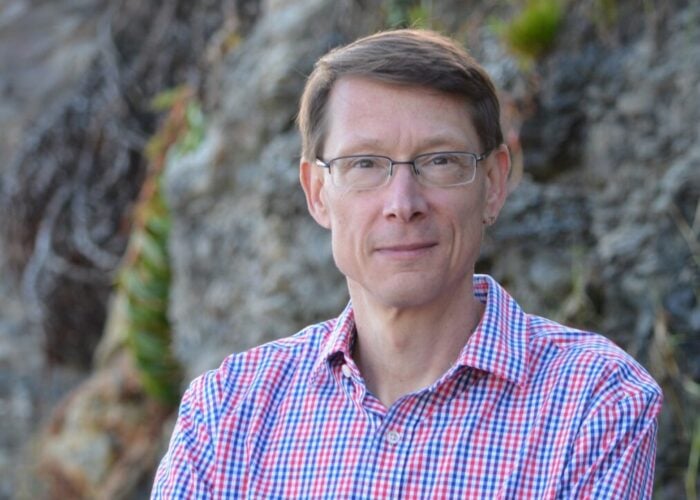
In an interview with PV Tech, Andy Schroeter, the CEO of the Laos-based company, highlighted the issues he saw as the biggest obstacles to the deployment of solar and other renewables in remote communities in parts of Asia and Africa. Schroeter was speaking to PV Tech shortly after Sunlabob said it had secured US$2.1 million investment to fund its expansion.
Try Premium for just $1
- Full premium access for the first month at only $1
- Converts to an annual rate after 30 days unless cancelled
- Cancel anytime during the trial period
Premium Benefits
- Expert industry analysis and interviews
- Digital access to PV Tech Power journal
- Exclusive event discounts
Or get the full Premium subscription right away
Or continue reading this article for free
“In general for all developing companies, and not just for Sunlabob but for all companies working in these countries, there is the legal and regulatory framework. There are underdeveloped financial sectors, which is probably one of the biggest problems: to finance in all these countries like Cambodia, Myanmar as well as in Africa,” Schroeter said.
“The lack of knowledge, the lack of awareness, they do not have the capacity and do not understand renewable energy in general…not only the decision makers but all people around. But I would say the biggest problem in all of these developing countries is the lack of compliance and corruption.”
He later expanded, using the example of Myanmar, where Sunlabob has opened an office after signing a memorandum of understanding last year to develop off-grid projects.
“[In Myanmar] they have come up with regulations that make it more or less risky for companies like Sunlabob. At this moment, we cannot really invest in this country until the regulations are clearly communicated and developed. So this is the biggest problem, the institutional framework. It is not so much the technology, because now everybody is working on the technology, especially storage capacity; it is more the [regulatory] quality and financial stability.”
On the question of off-grid technologies, Schroeter said batteries were an increasingly important driver, particularly now their cost is coming down.
“Now we have these new start-ups coming up with storage solutions,” Schroeter said. “This is really important; this combines with lighting options and make solar much more attractive than ever before. Especially with the LED light, this makes it much more attractive for remote areas. Solar combines with the cheaper storage technology and makes it much more attractive.”
Regarding Sunlabob’s recent investment, Schroeter said the money would enable the company to work on “bigger projects and at a greater volume”. He said the company has to-date completed projects in 25 countries throughout Asia, Africa and the Pacific islands.
This article was ammended to clarify details on Sunlabob's projects in Asia.