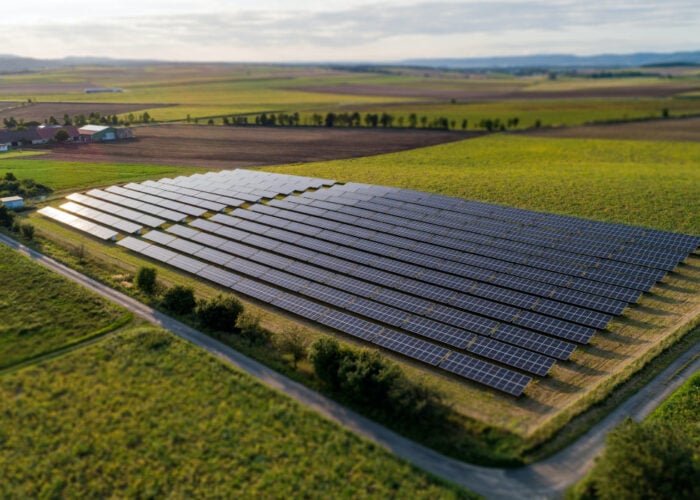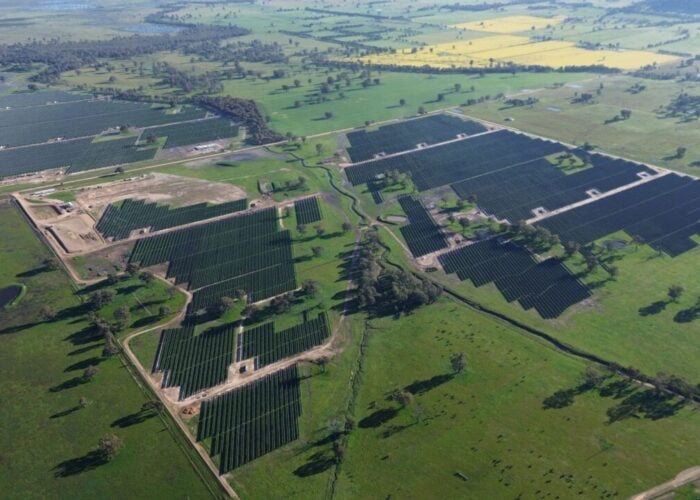
An independent panel has granted resource consents for the 179MWdc Glorit Solar Farm in Auckland, New Zealand.
The Environmental Protection Authority confirmed the approval following a 150-working-day assessment process.
Try Premium for just $1
- Full premium access for the first month at only $1
- Converts to an annual rate after 30 days unless cancelled
- Cancel anytime during the trial period
Premium Benefits
- Expert industry analysis and interviews
- Digital access to PV Tech Power journal
- Exclusive event discounts
Or get the full Premium subscription right away
Or continue reading this article for free
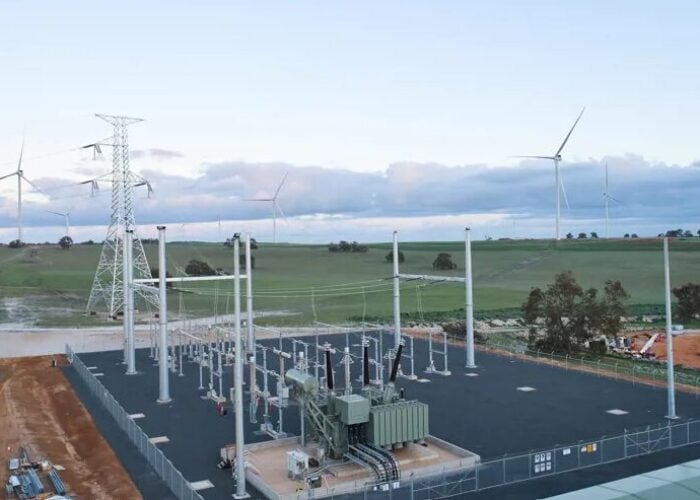
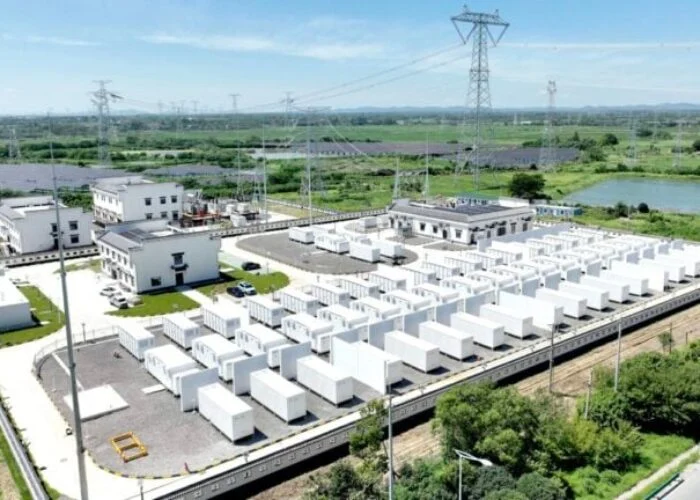
Joint developers, Glorit Solar P LP and Transpower New Zealand, have been granted permission to build the solar PV power plant, which includes an undisclosed-sized energy storage system, a 33kV transmission line and an ancillary substation located in Glorit, north of Auckland.
Lightsource bp, in partnership with Contact Energy, will develop the solar PV power plant through its 50-50 joint venture arrangement, Glorit Solar P LP.
The facility is expected to generate 288,000MWh of renewable energy annually with the project site set to cover approximately 300 hectares on the Kaipara Coast, north of Kaukapakapa. The solar installation will occupy around 283 hectares of the project site.
The Glorit development represents the latest major solar project to advance in New Zealand following recent activity in the sector. Meridian Energy and Nova Energy broke ground on their 400MW Kaiwera Downs Solar Farm in September, while Genesis Energy and FRV Australia dissolved their solar development partnership earlier this year.
Grid connection and construction timeline
The Glorit project will connect to the existing Transpower 220kV transmission network and the wider National Grid via a 1.5km dedicated connection from the site.
Construction of the solar PV power plant is expected to commence following the discharge of planning conditions, with the facility designed for an operational life of at least 35 years.
The development timeline positions the project to contribute to New Zealand’s renewable energy capacity expansion as the country pursues its climate change commitments and electricity sector decarbonisation goals. This includes a 2035 target to reduce net greenhouse gas emissions by 51–55% below 2005 levels.
The consent approval process was conducted under the Natural and Built Environment Act 2023, rather than the more recent fast-track legislation. The Environmental Protection Authority provided procedural advice and administrative support to the independent panel but was not involved in the decision-making process.
Contact Energy’s involvement in the project aligns with the company’s renewable energy investment strategy. The electricity generator and retailer has been expanding its renewable energy generation portfolio as New Zealand transitions away from fossil fuel-based electricity generation.
The partnership with Lightsource bp provides Contact Energy with access to international solar development expertise while maintaining local market knowledge and customer relationships.
Strategic significance for New Zealand’s energy mix
New Zealand’s electricity sector has historically relied on hydroelectric and geothermal generation, with solar PV technology representing a relatively new addition to the country’s renewable energy mix.
The Glorit Solar Farm’s scale positions it as a major contributor to diversifying New Zealand’s renewable energy generation portfolio and reducing reliance on fossil fuel-based electricity during dry years when hydroelectric output declines.
Last year, following a dry spell which caused many of New Zealand’s reservoirs to run at a reduced capacity, this caused an energy crisis, with wholesale electricity prices spiking as the country became more reliant on oil and gas.
The turbulence last year now presents an opportunity for solar PV, wind and energy storage to secure a more prominent role in the island nation’s electricity mix, something Sarah Gillies, chief executive of the Electricity Authority, spoke with PV Tech Premium about last year.
Financial close and construction commencement for the Glorit Solar Farm remain subject to the completion of planning condition discharge processes and final commercial arrangements between the project partners.