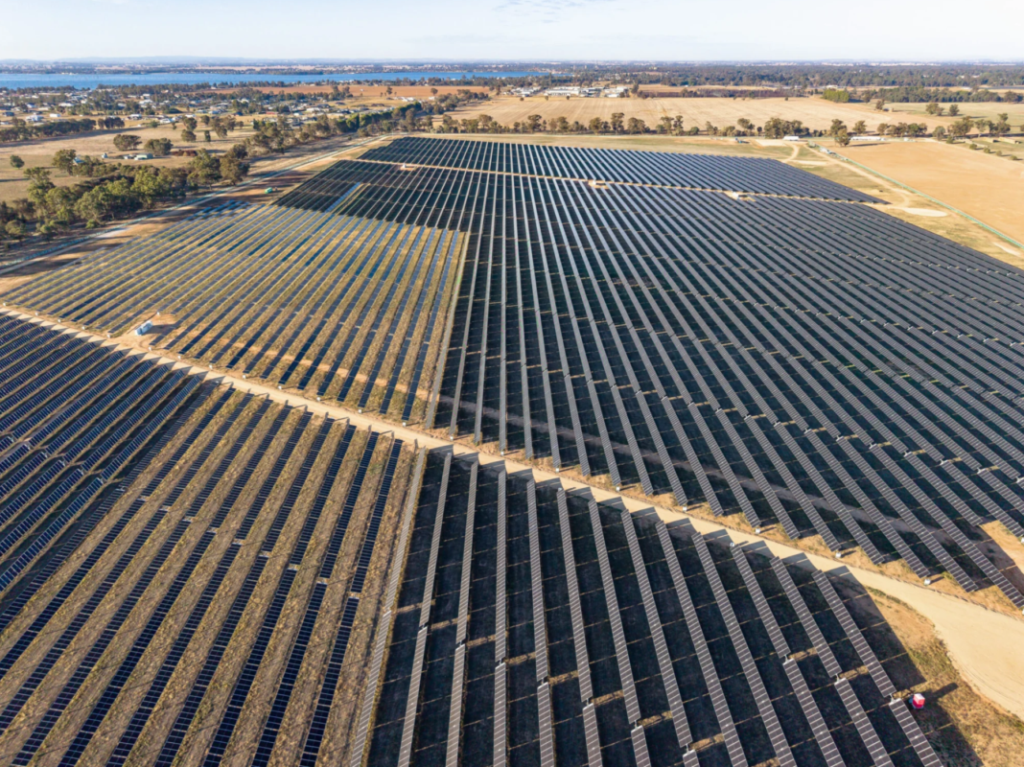
Data centre operator AirTrunk has signed an exclusivity agreement with European Energy Australia covering more than 1GW of solar PV, battery storage and wind projects in the Hunter region of New South Wales (NSW).
The deal gives AirTrunk a route to new renewable energy supply for its proposed Kurri Kurri data centre campus. It comes as federal and state governments push data centres to bring their own generation onto the grid.
Try Premium for just $1
- Full premium access for the first month at only $1
- Converts to an annual rate after 30 days unless cancelled
- Cancel anytime during the trial period
Premium Benefits
- Expert industry analysis and interviews
- Digital access to PV Tech Power journal
- Exclusive event discounts
Or get the full Premium subscription right away
Or continue reading this article for free
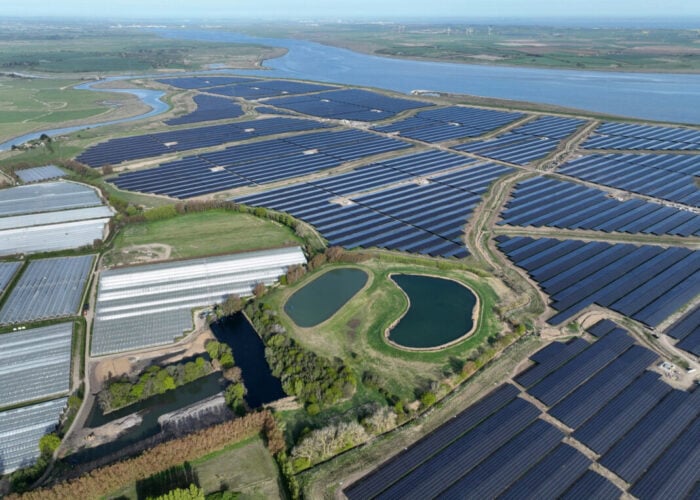
The agreement covers two projects in the Hunter-Central Coast Renewable Energy Zone (REZ), made up of a 260MW solar PV project, more than 800MWh of battery storage and a wind generation project of up to 350MW.
Neither company has published the project names, sites or the term of the exclusivity.
The companies said they are discussing a potential long-term power purchase agreement (PPA) to support AirTrunk’s NSW energy needs, including at Kurri Kurri. They said the projects and any PPA remain subject to further development, approvals and final arrangements.
Grid connection and timing
The solar and battery storage assets are expected to start operating in 2030, with the wind generation plant following in 2032.
European Energy plans to connect to Ausgrid’s upgraded 132kV network in the REZ, subject to final connection arrangements, approvals and further technical assessments. No construction start dates have been given.
AirTrunk is proposing the Kurri Kurri campus on the site of the former Hydro Aluminium smelter at Loxford, in the Cessnock local government area. State planning records describe it as a data centre with total power consumption of 550.5MW, assessed as a state significant development.
Cessnock City Council voted unanimously in October to object to the proposal, citing noise, demand on the local grid and construction traffic. The NSW government, not the council, will decide the application.
“Digital growth must bring new energy with it,” said Robin Khuda, founder and CEO of AirTrunk, who described the partnership as a step towards meeting government expectations for data centres.
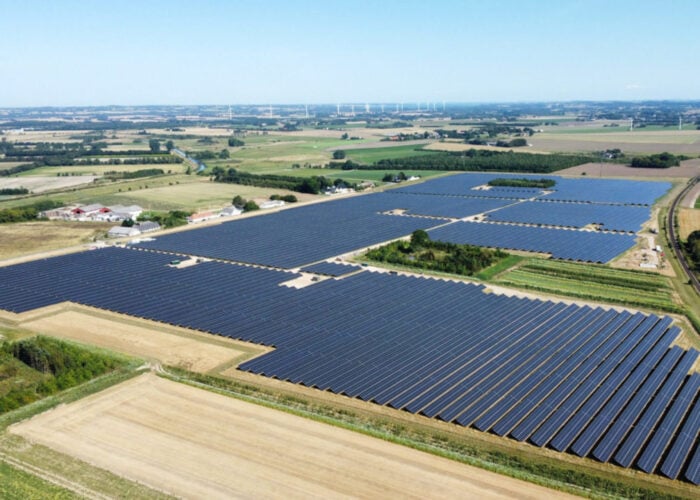
The deal builds on the 31MW Mulwala solar PV plant in southern NSW, which European Energy developed, supplies most of its output to AirTrunk, and was officially opened this week.
AirTrunk has a target to match all of its electricity use with renewable energy by 2030 and said it matched around 73% in the 2026 financial year.
Sabooh Whitelaw, associate vice president of energy at AirTrunk, said: “We understand the community wants to know how Kurri Kurri’s electricity needs will be supported.” He added that more renewable energy generation and firming would be needed for the campus and the company’s wider NSW load.
The company has previously said each additional gigawatt of data centre demand is likely to need around 3-4GW of new renewable energy generation to run around the clock.
That figure was raised during a NSW parliamentary inquiry, which last week recommended that data centres be legally required to supply their own 100% renewable energy on an hourly basis.
The state’s current Data Centre Guidelines set a lower bar, targeting an average correlation of 80% between new supply and demand over the year.
At the federal level, Prime Minister Anthony Albanese said in July the government would legally require large data centres to put at least as much renewable energy into the grid as they draw from it. Legislation is targeted for early 2027.
The Smart Energy Council estimated last month that 5GW of extra data centre load connecting without matched new supply could add AU$40 billion (US$28 billion) to wholesale power costs across four states between 2029-30 and 2034-35. The council described its modelling as a stress test rather than a forecast.
NSW and Victoria host around 80% of Australia’s data centre capacity, and data centres account for around 4% of grid-supplied electricity in NSW, a share forecast to reach 11% by 2030.
Catriona McLeod, managing director of European Energy Australia, said: “It’s great to see AirTrunk and the tech sector embracing renewable energy.” She said such partnerships help bring more renewables online.