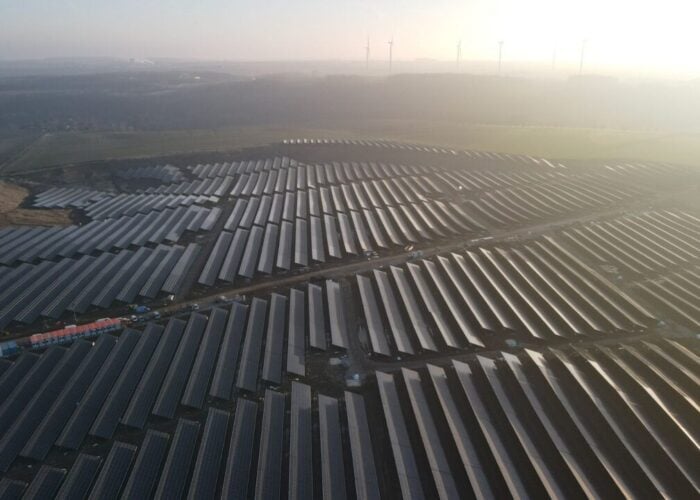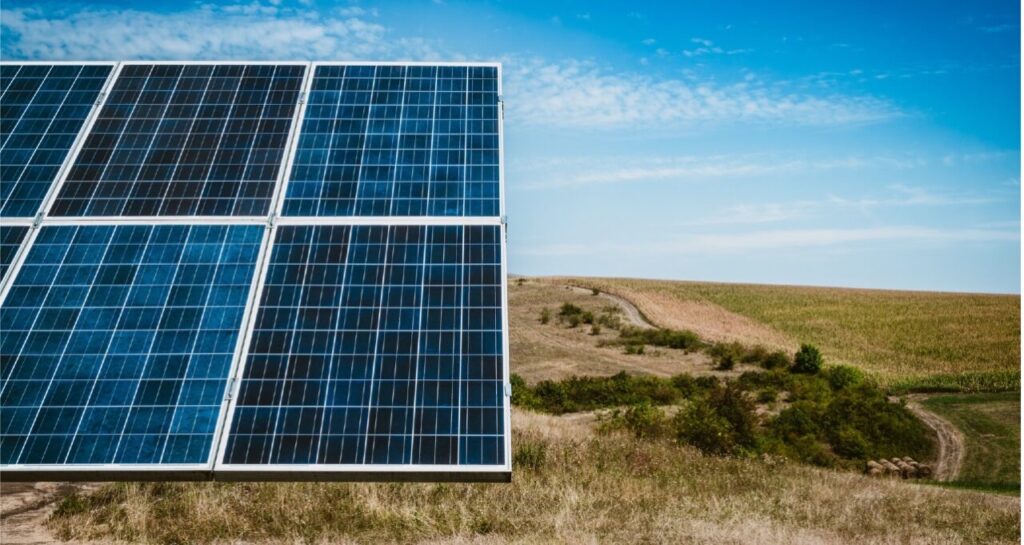
The European Bank for Reconstruction and Development (EBRD) and German development bank KfW will provide €87 million (US$102.2 million) in debt financing to support the construction and operation of a 134MWdc solar project at a former coal mine site in North Macedonia.
Bitola III solar project is expected to generate 180.9GWh of renewable electricity annually. It is a flagship project under North Macedonia’s Just Energy Transition Investment Platform (JETIP), launched at COP28 in 2023. JETIP aims to mobilise up to €3 billion in investment to deploy 1.7GW of new renewable capacity by 2030.
Try Premium for just $1
- Full premium access for the first month at only $1
- Converts to an annual rate after 30 days unless cancelled
- Cancel anytime during the trial period
Premium Benefits
- Expert industry analysis and interviews
- Digital access to PV Tech Power journal
- Exclusive event discounts
Or get the full Premium subscription right away
Or continue reading this article for free
The debt package comprises a €37 million sovereign-guaranteed loan from the EBRD to state-owned utility Elektrani na Severna Makedonija (ESM) to fund the development, construction and operation of the plant. This is complemented by a €50 million loan from KfW, marking the first project jointly financed and implemented by the EBRD and KfW.
“Today, we are opening bids to select contractors for photovoltaic power plants Oslomej II and Bitola I, and intensive work is underway on implementing the second phase of the Bogdanci wind park. Through all these projects, including Bitola III, we will increase domestic production from renewables by more than 200MW in the next two to three years,” said Lazo Uzuncev, general manager of ESM.
The project supports North Macedonia’s plans to phase out coal and cut greenhouse gas emissions by 82% by 2030 under its National Energy and Climate Plan and updated NDCs. It will also support improvements in ESM’s corporate governance, including training and strengthened anti-corruption and compliance frameworks.
The project will be co-financed and implemented with KfW under a Project Implementation Agreement, reinforcing the EBRD-KfW partnership in the Western Balkans, where EBRD has invested more than €3 billion across over 200 projects.