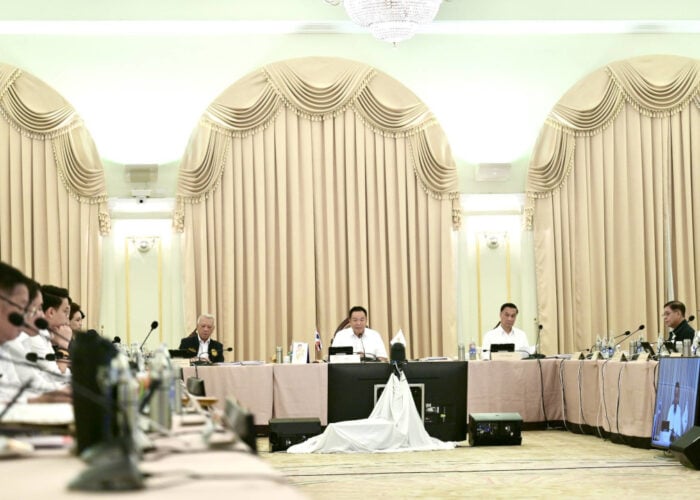
The German government met at the Environment Ministry in Berlin on January 13 to discuss cuts to the state-mandated solar incentives, including the feed-in tariff rate. These cuts have been anticipated for this year due to a steeper overall slide in costs. The FiT has been falling by about 8% per year before dropping 10% in 2010, reports Reuters.
No decision was actually reached at the meeting, yet officials at the two rounds of hearings said they expected a concrete decision on the FiT cuts soon.
Try Premium for just $1
- Full premium access for the first month at only $1
- Converts to an annual rate after 30 days unless cancelled
- Cancel anytime during the trial period
Premium Benefits
- Expert industry analysis and interviews
- Digital access to PV Tech Power journal
- Exclusive event discounts
Or get the full Premium subscription right away
Or continue reading this article for free
One certainty that did come out of the meeting was that the reductions would be moderate, as although there is an overall slide in costs, the government is wary of damaging the German PV industry and the jobs it creates. PV-Tech reported on this back in early December 2009; however, there has not been much development since then.
“There’s an agreement that the level of the support has to more closely track the speed of the expansion of photovoltaic power,” said Holger Krawinkel, an energy expert for the federal consumer protection agency lobby who was at the talks. “There are still divergent views on the concrete numbers. The Environment Ministry will evidently put forth a proposal early next week.”
The Environment Ministry is expected to make a new proposal next week. The ruling parties would then discuss the proposal. The next cut in FiT rates will be on either July 1 or on Jan. 1, 2011, although again, no decision has yet been made on this.
“Clarity on the outcome of the talks is key and needed quickly as it will impact the companies’ share prices. Also, it will be crucial whether the talks will result in a change of the EEG law or a one-off cut, as the former will take substantially longer to implement,” said Theo Kitz, analyst at Merck Finck.
Interestingly, the solar industry is actually proposing to reduce subsidies by as much as 14% a year, the BSW-Solar industry association said in a statement. As yet, no response has been issued by Merkel’s government on this proposal.
Industry analysts and stock markets have also been nervously anticipating the talks in Berlin, as any steep cuts could hit the PV sector and its prices hard.
PV-Tech will be keeping an eye on the talks in Berlin and will be bring you any updates as soon as they are announced.