Iceland’s prime minister has welcomed news that Silicor Materials has taken a step closer to establishing its “low cost” commercial-scale solar silicon plant, securing US$105 million of equity capital agreements.
The California-headquartered silicon and aluminium by-product manufacturer announced yesterday that it had secured the latest portion of financing towards the facility, which could have a nameplate output of between 16,000 and as much as 19,000MT.
Try Premium for just $1
- Full premium access for the first month at only $1
- Converts to an annual rate after 30 days unless cancelled
- Cancel anytime during the trial period
Premium Benefits
- Expert industry analysis and interviews
- Digital access to PV Tech Power journal
- Exclusive event discounts
Or get the full Premium subscription right away
Or continue reading this article for free
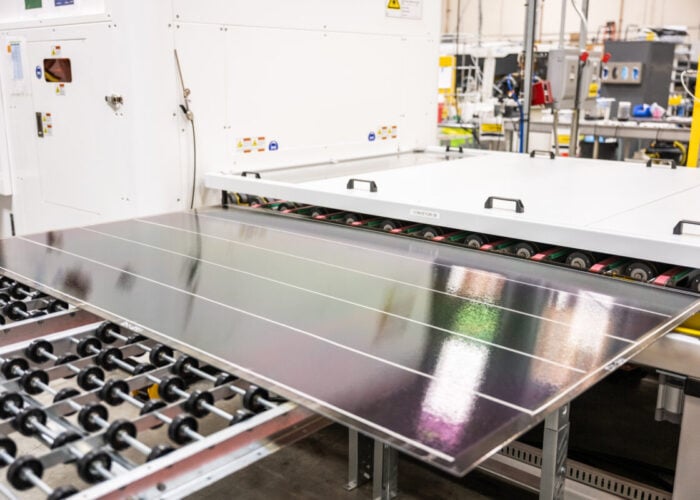
Silicor said in 2014 when announcing its intention to build the plant that it could get costs down to as low as US$9 per kg. The company said it will produce the world’s cheapest solar silicon using a proprietary aluminium smelting process on metallurgical-grade silicon. Silicor claims that the process requires two-thirds less energy than traditional methods, requiring no toxic chemicals.
It has also chosen Iceland for the fab due to geographical factors that will add cost advantages, including the availability of geothermal energy to run production and the abundance of aluminium. In March this year Silicor signed up Germany’s SMS Siemag to supply equipment and design the factory and then in June made a provisional deal with Danish contractor MT Højgaard worth US$228 million to build the plant.
Silicor quoted a statement from Iceland’s prime minister, Sigmundur Davíð Gunnlaugsson, welcoming the facility and highlighting it as an important investment into the country.
“The government is focused on promoting Iceland as an interesting investment opportunity and with increased stability in the Icelandic economy we've seen growing interest. This large project is a very good example of this. It is obvious that investors see many positive opportunities in Iceland and we are very optimistic about the future,” Gunnlaugsson said.
The Scandinavian country has been keen to add stimulus to its economy through investment in the wake of the financial crisis in 2008 when it nationalised banks and temporarily put capital controls on the financial system, a measure which was only lifted this June. Among other things, the controls meant that Icelandic pension funds were not able to invest in overseas assets.
The latest US$105 million of equity includes investment by Icelandic pension funds, along with existing Silicor investors such as private equity firm Hudson Clean Energy. Iceland’s Centra Corporate Finance advised Silicor on the equity, as did Hudson.
Silicor said construction is expected to being mid-2016, with a portion of the latest financing to be drawn down during the development stage and the bulk drawn down during construction. The company claims it has sales commitments and letters of intent already from global PV manufacturers which could absorb a significant portion of output – which the company claimed to be as much as 75% – as well as aluminium supply deals in place. Silicor will also sell its polyaluminium chloride by-product to a third party in the wafer treatment market.