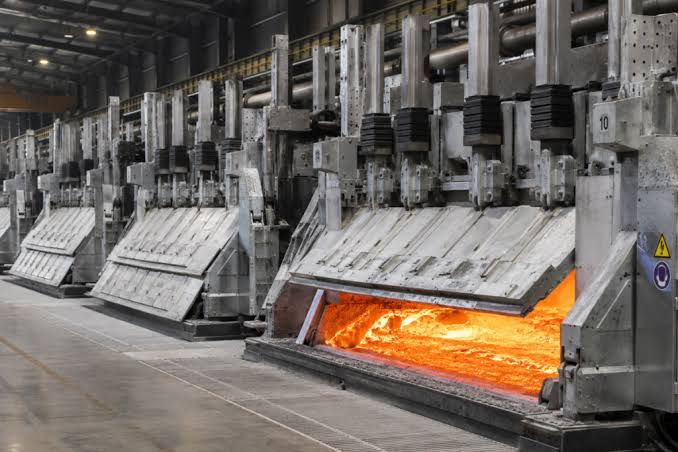
The Australian and New South Wales (NSW) governments have jointly committed AU$2.5 billion (US$1.63 billion) to secure the future of the Tomago Aluminium smelter.
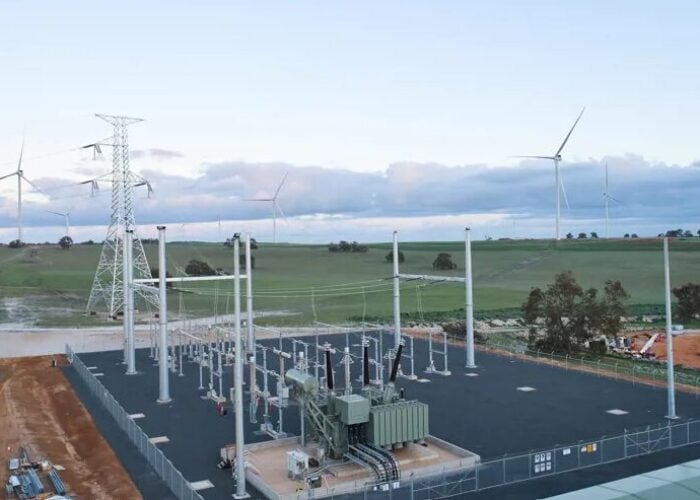
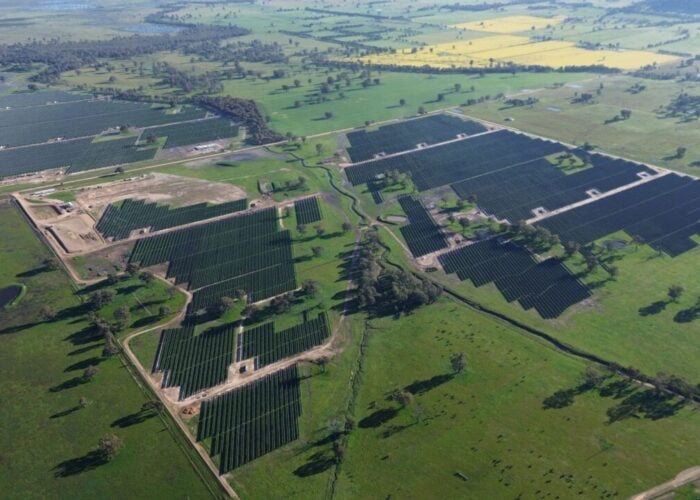
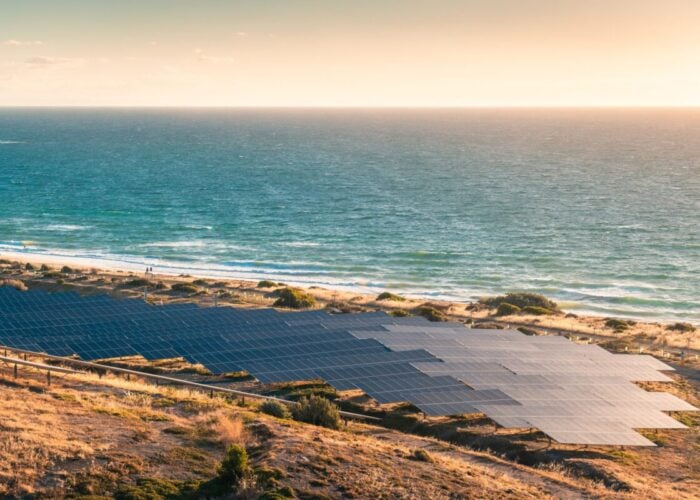
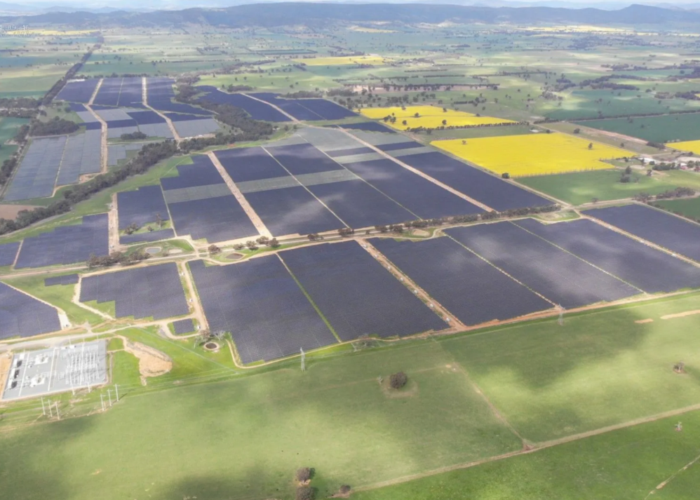
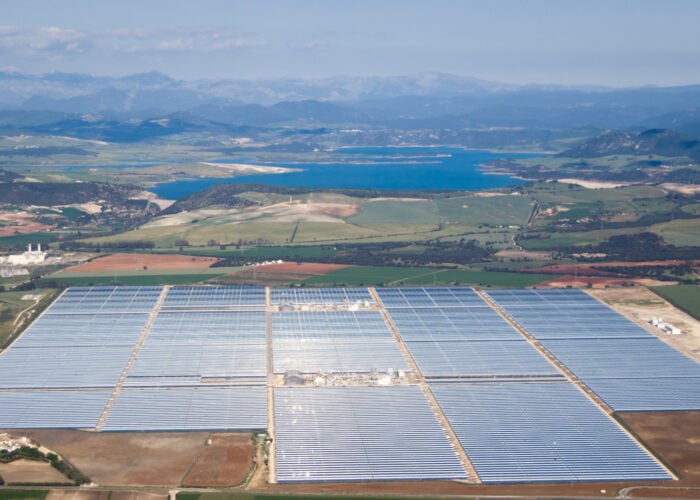
The deal will see a shift to renewable energy, expected to unlock several gigawatts of new wind, solar and battery storage capacity across the state.
Try Premium for just $1
- Full premium access for the first month at only $1
- Converts to an annual rate after 30 days unless cancelled
- Cancel anytime during the trial period
Premium Benefits
- Expert industry analysis and interviews
- Digital access to PV Tech Power journal
- Exclusive event discounts
Or get the full Premium subscription right away
Or continue reading this article for free
Announced on 13 August by Prime Minister Anthony Albanese and NSW Premier Chris Minns, the package delivers a long-term renewable energy solution for the smelter, which is Australia’s largest single electricity user, accounting for around 950MW of near-constant demand, roughly 10% of the state’s total electricity consumption.
Tomago Aluminium, jointly owned by Rio Tinto, Gove Aluminium Finance and Norsk Hydro, has agreed to invest at least AU$1.1 billion of its own capital as part of the deal, including AU$100 million directed toward decarbonisation activities and a demand-response programme intended to position the smelter as an international leader in grid flexibility services.
Under the arrangement, the NSW government’s contribution is capped at AU$1.225 billion over ten years from 2029, with the Commonwealth providing an equivalent share.
The deal secures Tomago’s operation beyond the expiry of its current electricity supply contract on 31 December 2028, running through to 2038 under a new ten-year power purchase agreement (PPA), with electricity supplied to the smelter set to come entirely from renewable energy generation from 2033.
Unlocking a stalled renewable energy pipeline
Federal energy minister Chris Bowen said the joint investment would help bring on close to 3GW of renewable energy generation and firming capacity, working alongside the Clean Energy Finance Corporation (CEFC) and Snowy Hydro to draw on projects already in the development pipeline, some of which have secured environmental approval but have yet to reach a final investment decision.
Bowen said the generation mix would include both wind farms and solar backed by battery energy storage systems (BESS), spread predominantly across NSW rather than concentrated in the Hunter region itself.
Analysis commissioned by the Electrical Trades Union (ETU) NSW/ACT from Energy & Resource Insights found that securing Tomago could unlock between AU$8 billion and AU$10 billion in renewable energy investment and support between 2,400 and 3,900 direct jobs during peak construction.
The analysis identified an existing pipeline of 12.3GW of renewable energy and battery projects with development approvals outside the state’s major Renewable Energy Zones (REZs), alongside a further 10.7GW of projects holding access rights in the South West and Central-West Orana Renewable Energy Zones.
The deal follows a similar arrangement Rio Tinto secured in Queensland to repower its Boyne Island aluminium smelter and associated Gladstone refineries, where the company lined up more than AU$7 billion in long-term contracts with wind and solar hybrid projects, backed by a AU$2 billion package from the federal and Queensland governments.
AGL, Tomago’s existing electricity supplier under coal-fired arrangements, is separately building a 500MW/2,000MWh battery storage system near the smelter site.
ETU NSW/ACT organiser Brad McDougall said the announcement had come as a relief to Hunter workers who had spent months facing uncertainty, noting the smelter supports more than 1,000 direct jobs and thousands more throughout the local supply chain.
Smart Energy Council chief executive David McElrea welcomed the agreement as evidence that decarbonisation could strengthen rather than undermine Australia’s industrial base, while Climate Council senior advisor Ben McLeod described the deal as demonstrating what wind, solar and storage can make possible for heavy industry.
Australia remains one of a handful of countries with an end-to-end aluminium supply chain, spanning bauxite mining, alumina refining and smelting through to advanced manufacturing.