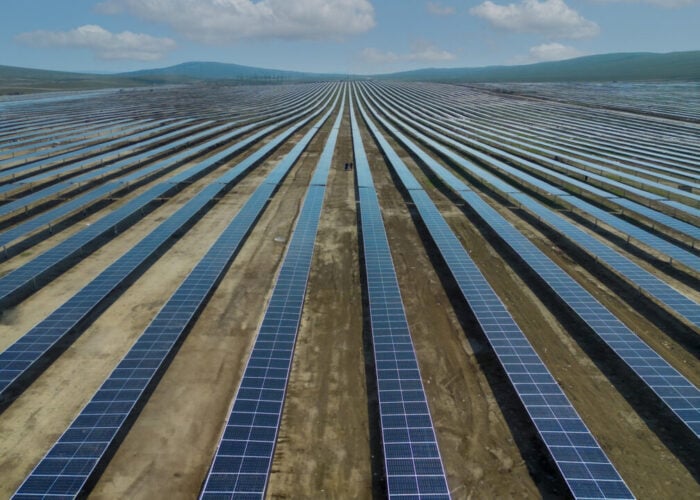
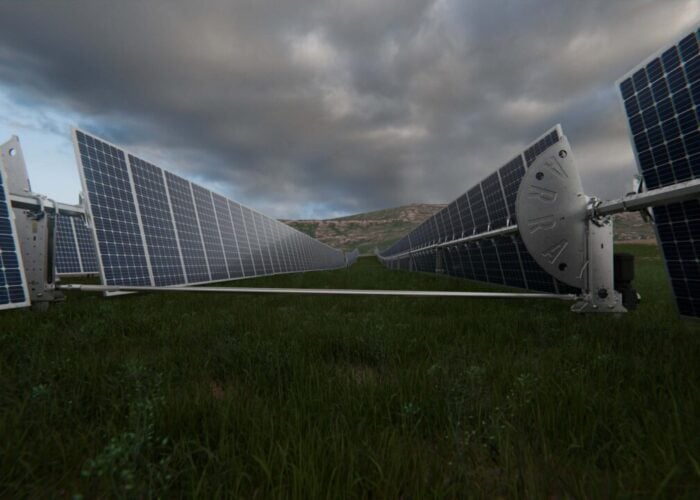
The Indian Ministry of New and Renewable Energy (MNRE) has drafted guidelines to install 2GW of new solar PV generation capacity through the current phase of the country’s National Solar Mission (JNNSM).
Using viability gap funding (VGF), the third batch of the second phase of JNNSM will select up to 2,000MW of new projects that are each over 10MW capacity. MNRE’s sub-division by Solar Energy Corporation of India will attempt to “divide the entire quantity in a state into projects of uniform size as far as possible”. MNRE said it intends to raise competitiveness through the bidding process. The ministry also hopes to build up economies of scale by raising the sizes of eligible projects across the board.
Try Premium for just $1
- Full premium access for the first month at only $1
- Converts to an annual rate after 30 days unless cancelled
- Cancel anytime during the trial period
Premium Benefits
- Expert industry analysis and interviews
- Digital access to PV Tech Power journal
- Exclusive event discounts
Or get the full Premium subscription right away
Or continue reading this article for free
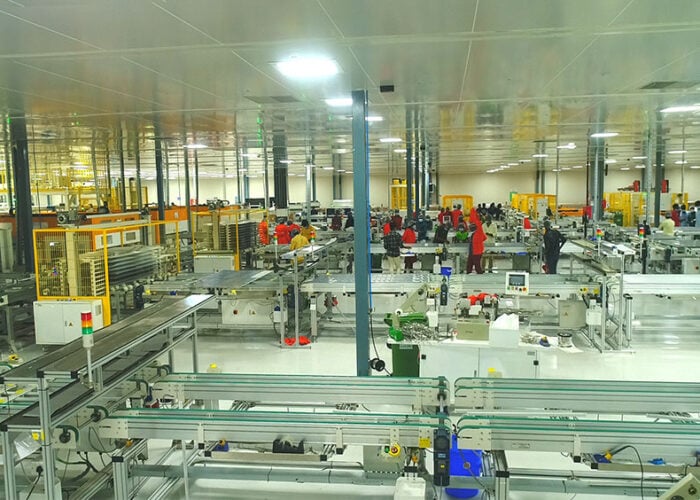
There will be a domestic content requirement applied to 250MW of that total. Through VGF, project developers would be paid a fixed power purchase agreement (PPA) tariff of INR5.43 (US$0.09) per kWh for the first year, rising each year by INR0.05 per kWh, before hitting the upper limit, set at INR6.43 per kWh and remaining fixed once it reached that ceiling. Evening out the price over the term of the tariff, MNRE claims it to be a levelised cost of INR5.79 per kWh. VGF funding levels will be determined based on the developer’s original bidding price. Available land for projects will either be sites procured by developers or will come from state-sanctioned solar park sites.
India’s government is currently mulling over proposals to push national targets for solar PV deployment up to 100GW by 2022. Through the first phase of JNNSM, MNRE said, 970MW of capacity was auctioned off from a possible 1,000MW total, of which 718MW has been installed.
Stakeholders are now invited to submit their comments and views on the draft guidelines for batch three of JNNSM. The draft emerges in the same week that a WTO panel is set to hear a complaint from the US over the JNNSM’s domestic content requirement rules.