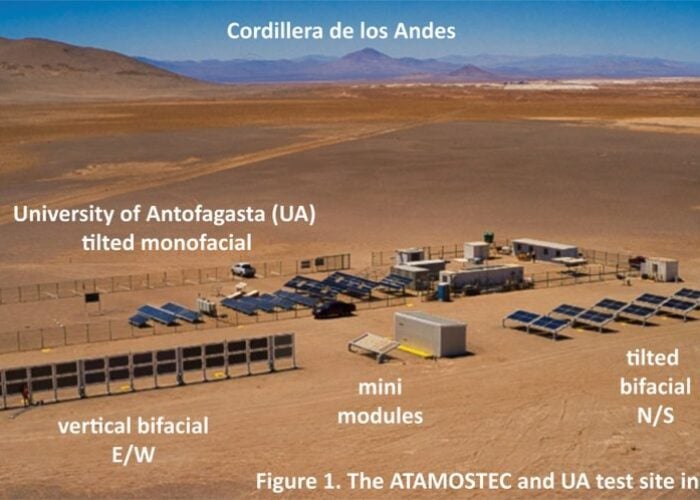
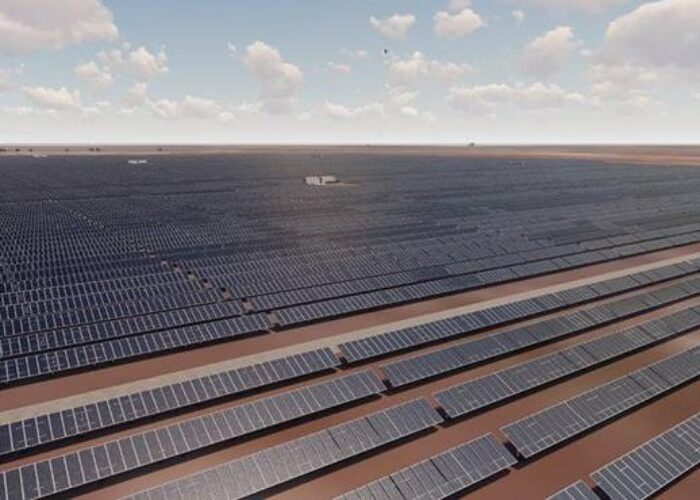
Alongside the recent rapid boom in bifacial solar deployment, extensive work has been underway to fine-tune the yield modelling of bifacial systems. Drawing on case studies from the ATAMOSTEC test site in Chile, researchers involved in the collaborative venture describe how it is helping improve understanding of bifacial yield and the lay the foundations for a set of new rules to inform system design and installation
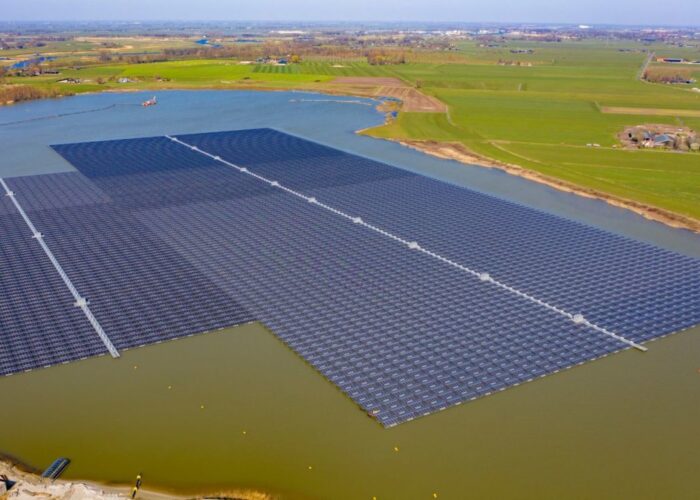
BayWa r.e. will add 500MW of additional floating solar in the coming years in a move to take advantage of increasing demand for the technology among asset owners.
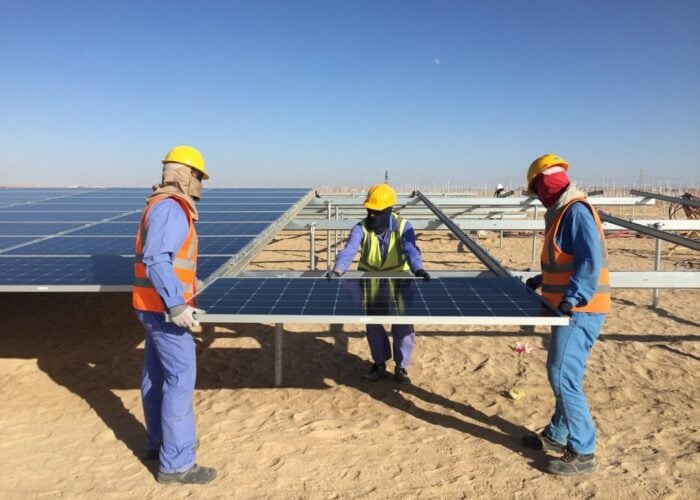
Later this year, a new set of industry guidelines will for the first time codify a set of best practices for EPC contractors. Ahead of publication, members of Solar Power Europe’s O&M task force look at some of the critical areas of PV system integration where high-quality EPC work can most effectively influence a project’s lifetime performance
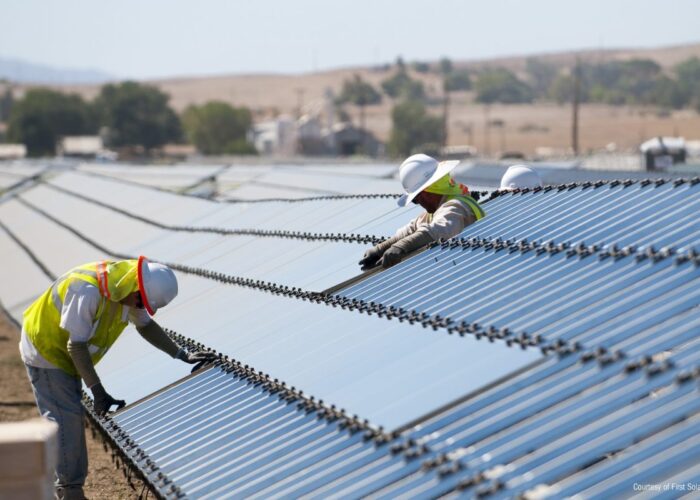
Despite the importance of reliability to the cost competitiveness of PV, large data sets enabling high-level investigation of the technology’s performance in the field are relatively scarce. Dirk C. Jordan, Chris Deline, Bill Marion and Teresa Barnes of the National Renewable Energy Laboratory, and Mark Bolinger of the Lawrence Berkeley National Laboratory study a unique data set of 100,000 PV systems in the US, drawing out tips for better reliability that have relevance to other parts of the world.
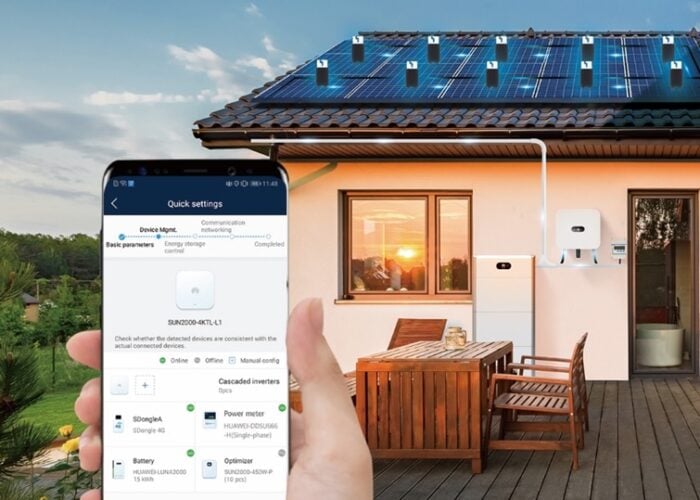
Huawei has launched its next generation ‘FusionSolar’ residential smart PV solution with the emphasis on innovative smart technologies to provide the easiest and highest safety installation standards and long-term operability that aims for 100% self-consumption.
Canadian institutional fund manager Caisse de dépôt et placement du Québec (CDPQ) has acquired a portfolio of 73 Spanish solar plants from renewables investor Q-Energy.
BayWa r.e., Enel Green Power and Solarcentury are among the 20 participants in a new European Union-funded project that aims to increase the performance and reliability of solar PV components and systems.
Spanish EPC Elecnor has been appointed as the lead contractor for the first phase of Australia’s largest hybrid solar and battery energy storage facility.
Industrial conglomerate GFG Alliance has signed an agreement with Ignis to co-invest in the development, construction, operation and maintenance of Spanish solar and wind projects with a capacity of around 1.2GW.
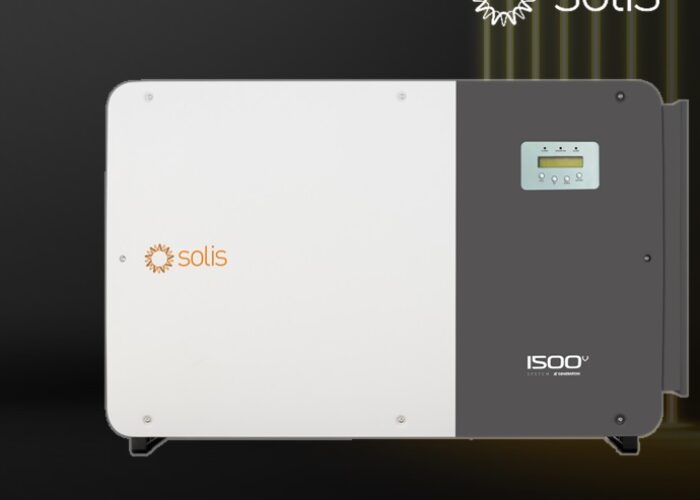
Ginlong Solis has introduced to the European market its latest utility-scale string inverter. The ‘Solis 255kW-EHV’ high voltage (1500V) inverter is designed to maximize PV power plant yields in the new era of high-performance large-area solar panels including bifacial panels, while significantly reducing plant LCOE (Levelized Cost of eElectricity) costs, compared to central inverters.