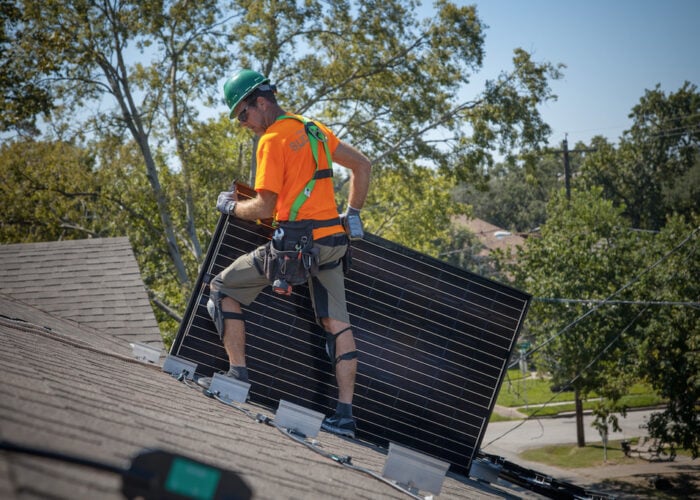
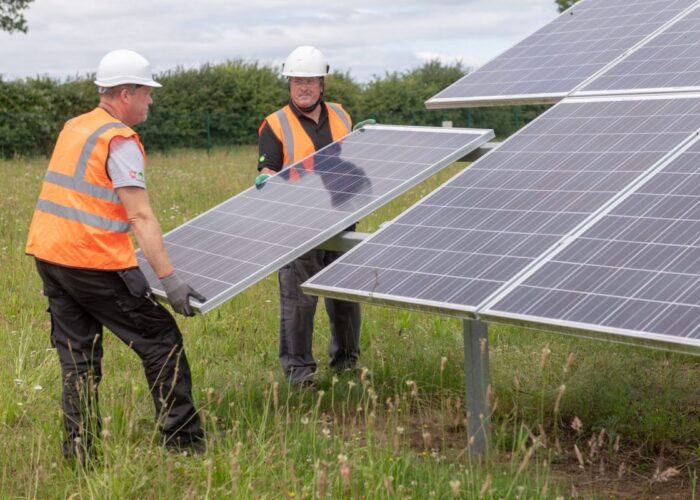
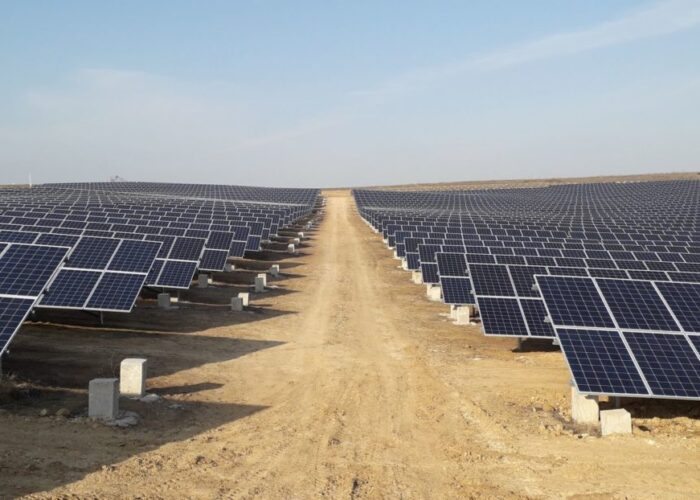
The US residential solar sector is set to break installation records this year as clean energy development proves resilient to disruptions caused by COVID-19.
State-owned companies in India could be tasked with establishing polysilicon manufacturing facilities to help make domestic solar manufacturing more competitive, reports have claimed.
Central and southeastern European countries could cost-effectively cover more than one-third (34%) of their energy demand with renewables within ten years, a new report by the International Renewable Energy Agency (IRENA) finds.
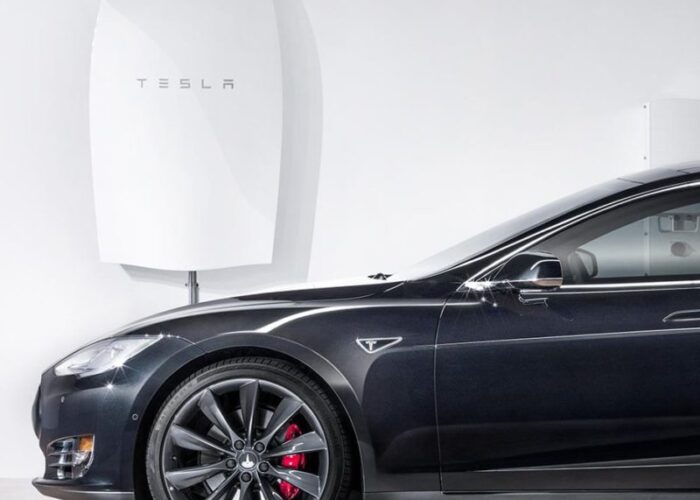
Europe’s residential battery energy storage systems (BESS) market is expected to continue its upward trajectory in the coming years after 745MWh of additional capacity was installed in 2019, representing a 57% increase year-on-year.
Smoke from wildfires in California caused solar-powered generation in the state to nosedive last month as airborne particles blocked out sunlight, according to the US Energy Information Administration (EIA).
As the European Union forges ahead with its green recovery and looks to meet new emissions reduction targets, member states should ensure they convey the benefits of solar power to citizens while also building partnerships with industry, according to a panel speaking at this week’s SolarPower Summit.
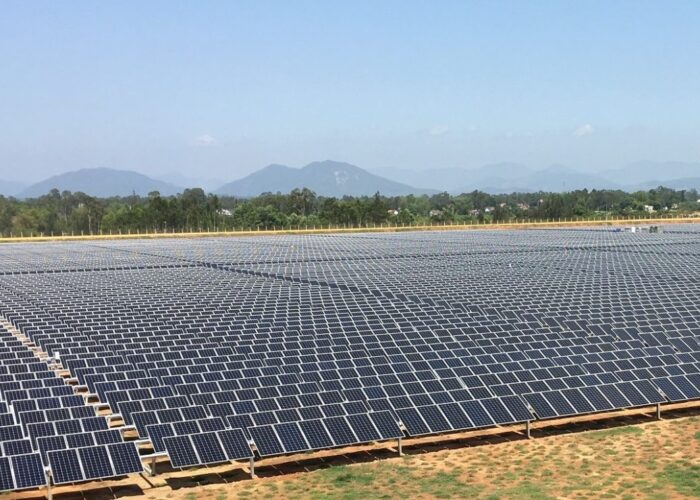
Vietnam will prioritise the development of renewables as the country’s government announces its ambition to invest around US$130 billion in new power plants and transmission networks over the next ten years.
The renewables sector has been named among the most pandemic-resilient infrastructure sub-sectors, thanks in part to its ability to secure finance as well as government efforts to grow the green economy, according to a new white paper from investment firm Foresight Group.