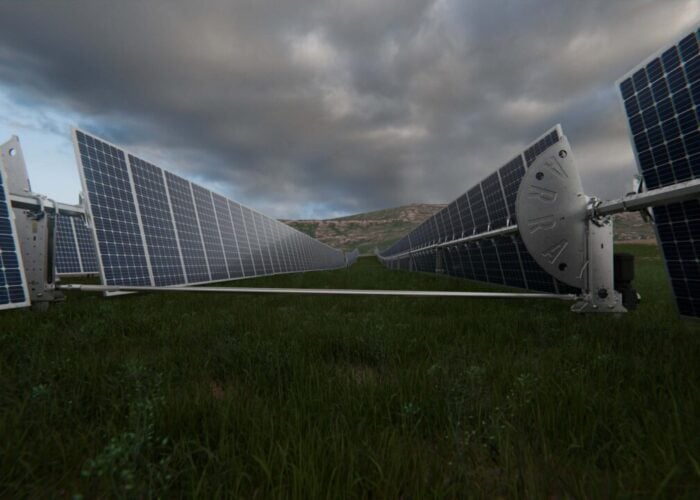
Semprius has completed the installation of the first microcell-based HCPV research development and demonstration (RD&D) system at Tucson Electric Power (TEP). The installation, which was completed in August this year, combines Semprius' HCPV modules with an automated solar tracking system from Siemens. The TEP project is part of a joint development agreement signed by Semprius and Siemens at the beginning of 2010, which aims to achieve the deployment of numerous new HCPV systems at test sites around the world.
“Our technology's extremely small footprint and high efficiency play a key role in minimizing HCPV system cost and improving performance and reliability,” said Joe Carr, president and CEO of Semprius. “By collaborating with such leaders in renewable energy as Siemens and Tucson Electric Power, we believe this demonstration system will represent a major step forward in the continuing effort to drive down the cost of solar power.”
Try Premium for just $1
- Full premium access for the first month at only $1
- Converts to an annual rate after 30 days unless cancelled
- Cancel anytime during the trial period
Premium Benefits
- Expert industry analysis and interviews
- Digital access to PV Tech Power journal
- Exclusive event discounts
Or get the full Premium subscription right away
Or continue reading this article for free
“Competitive project deployment cost for HCPV will be the key for the success of this technology,” said Peter Krause, business segment manager for Siemens, which supplied the Simatic S7-1200 two-axis tracking system. “By combining our advanced automation and control equipment with Semprius HCPV panel, we believe this project will demonstrate the technology's potential to deliver grid-level prices to utility customers.”
“We're looking forward to learning how Semprius' HCPV technology performs in our service territory, particularly during periods of peak electric usage,” said Steve Metzger, superintendent of distribution planning and technical services at TEP. “This collaborative project will contribute significantly to our efforts to evaluate and improve the performance of solar technologies employed by TEP customers.”