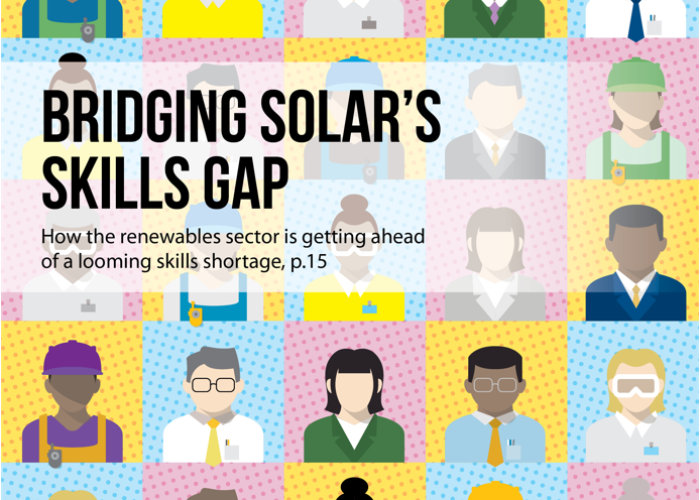
The new edition of our downstream solar journal, PV Tech Power volume 30, is now available to download, featuring coverage of the solar industry’s efforts to bridge a looming skills gap.
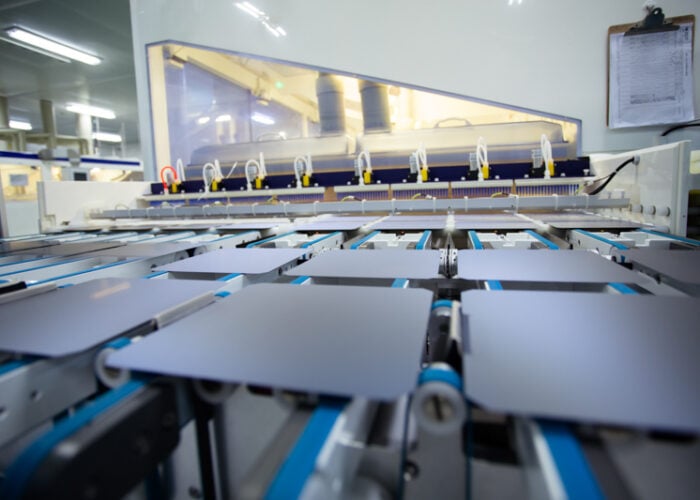
LONGi solar has increased its wafer prices for the third time in less than six weeks as a four-month high in wafer prices continues, while Tongwei solar has also pushed up the price of its 182mm and 210mm solar cells.
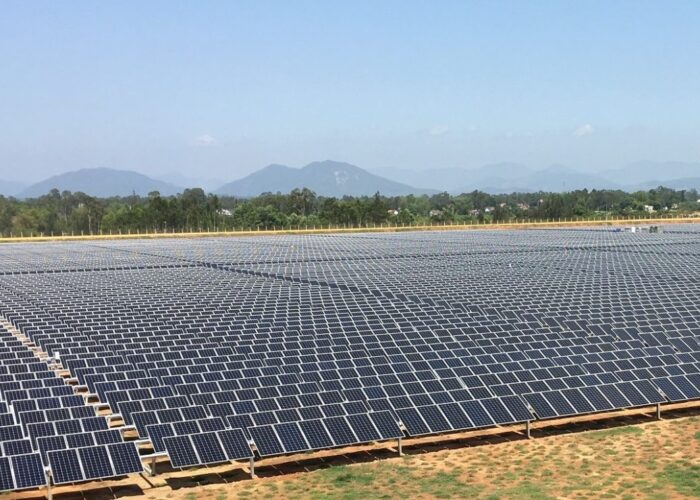
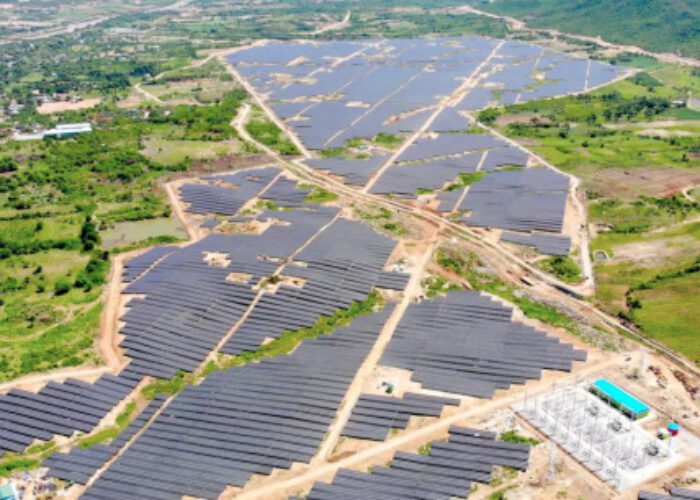
Vietnam’s near-term renewables outlook will be weighed down by regulatory and operational uncertainties stemming from a lack of clear policy and an “underdeveloped grid capacity”, according to Fitch Solutions’ latest report on the market.
Solar wafer prices have continued rise this week, with the latest pricing indications in China contributing towards a price increases of between 10.8 – 14.4% since the start of the year.
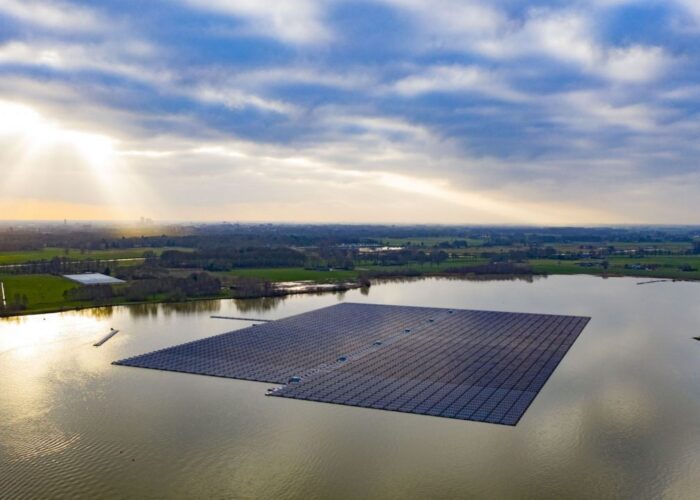
German renewables company BayWa r.e. is planning to realise more than 1GW of solar and wind plants this year as it heightens its focus on subsidy-free projects.
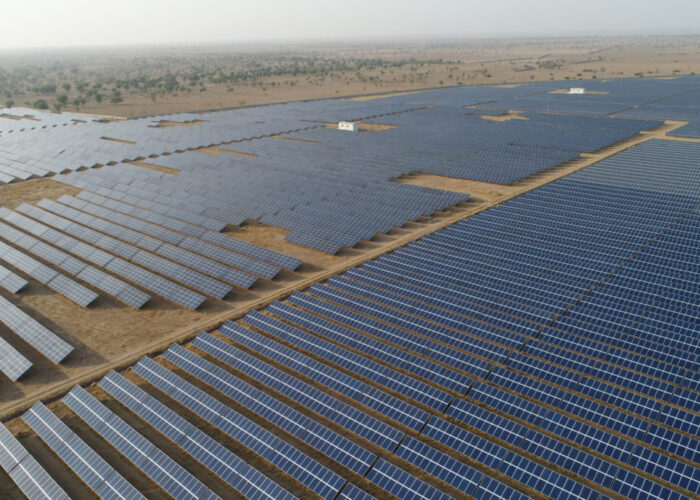
India added more than 10GW of solar PV in 2021 as the country hit a cumulative installed solar capacity of 49GW by the end of the year, according to research firm Mercom India Research's latest update on India’s solar sector.
Indian independent power producer Azure Power exceeded the upper end of its revenue guidance for its Q3 fiscal year thanks to the addition of new renewables projects.
Daqo New Energy recorded a dent to its quarterly revenues and margin in Q4 2021 after production costs spiralled and sales fell against a slide in demand.
Indian module manufacturer Waaree Energies is taking advantage of rising interest in its products from export markets as it looks to maintain a full order book, the company’s CEO has said.