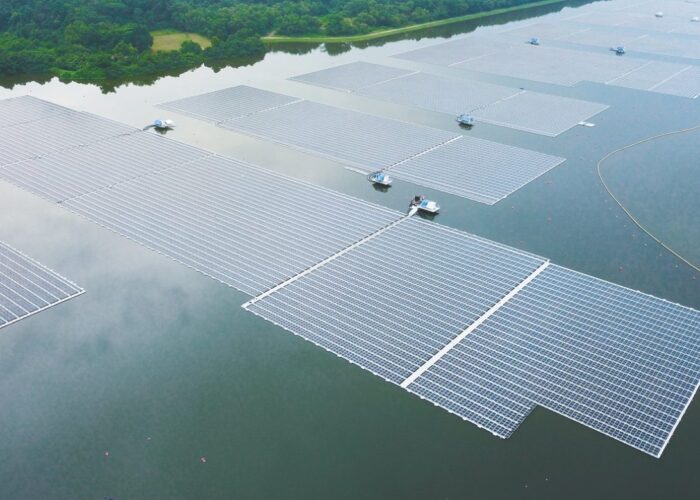
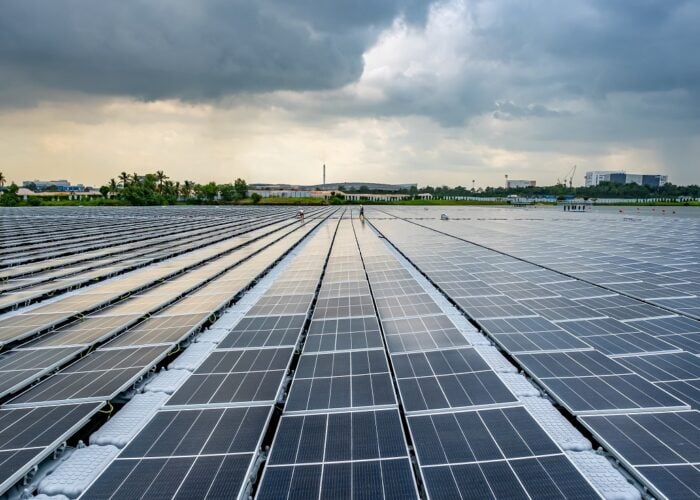
An energy consultant updates PV Tech Premium on how the south Indian state, driven by supportive policy changes, is now swiftly installing rooftop solar and EV infrastructure while concentrating on large-scale floating solar to side-step land scarcity.
The New South Wales government has received bids for over 5.5GW worth of wind and solar generation projects and over 2.5GW of storage systems as its Electricity Infrastructure Roadmap attracts industry attention.
Fortescue Future Industries (FFI) and Windlab will collaborate to develop a 10GW green hydrogen project, powered by solar PV and wind energy, in North Queensland, the state government has announced.
A wholly owned subsidiary of Singapore-based energy company Sembcorp Industries has secured a deal to acquire Indian independent power producer Vector Green Energy.
Seven key Asian countries collectively saved approximately US$34 billion in fossil fuel costs in the first half of 2022 through solar generation, according to research from Ember, the Centre for Research on Energy and Clean Air (CREA) and the Institute for Energy Economics and Financial Analysis (IEEFA).
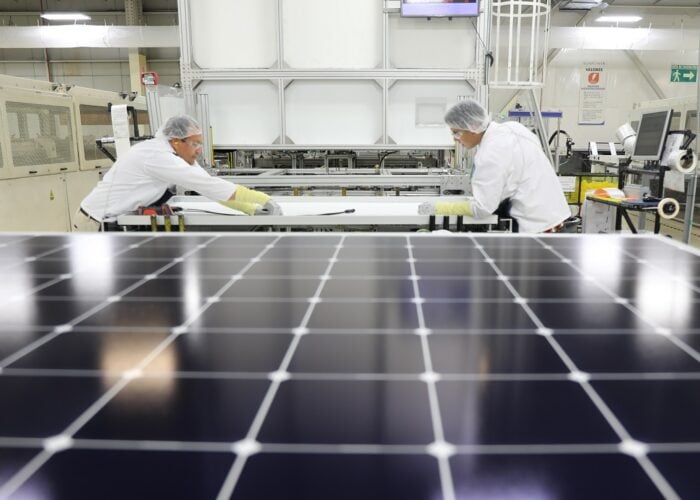
Maxeon Solar Technologies has improved its results from the previous quarter, with Q3 2022 revenue up, driven by the European distributed generation (DG) business.
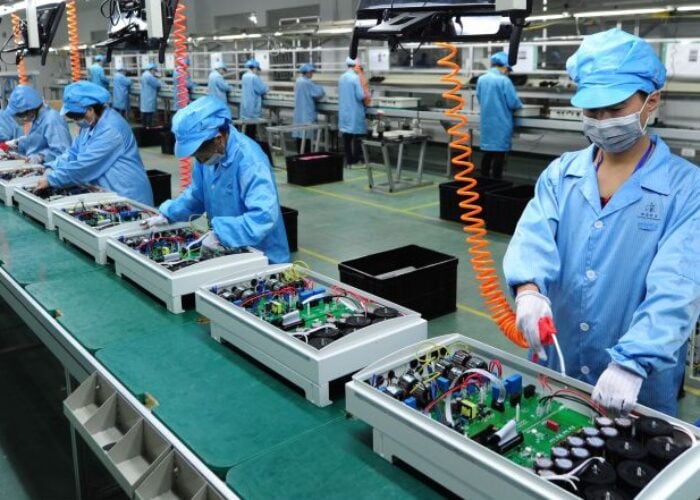
Inverter design and configuration is continually evolving, and so are the strategies of the companies making this important piece of kit, writes Jonathan Touriño Jacobo.
Corporate power purchase agreements (PPAs) have hit record levels in the Asia Pacific region as fuel prices rise and the cost of renewables falls, according to Wood Mackenzie principal analyst, Kyeongho Lee.
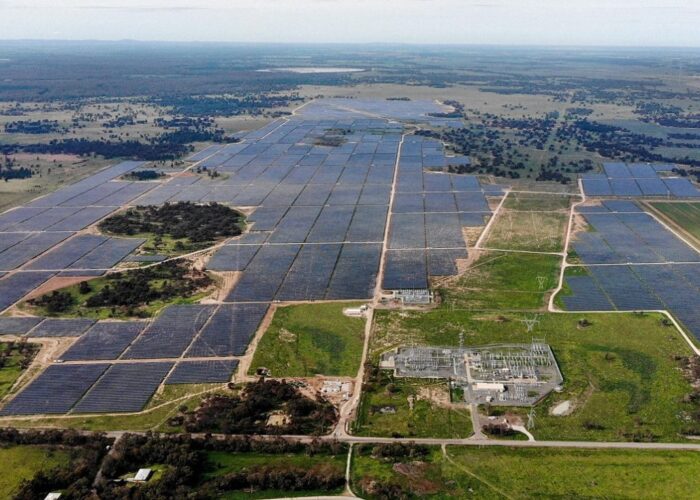
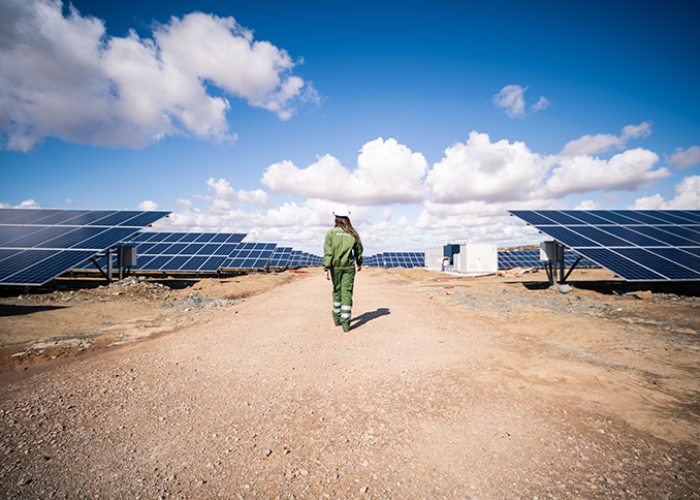
Renewables developer ACEN Australia is poised to commence construction on its 400MW Stubbo solar project after having executed key contracts and reached a final investment decision, continuing its recent expansion in Australia’s renewables market.