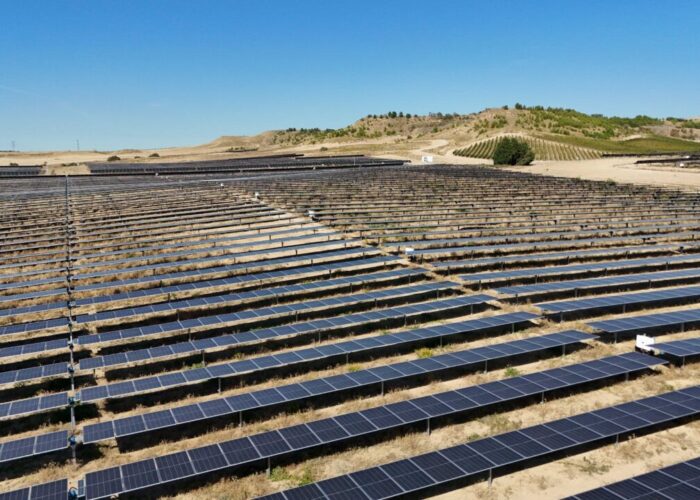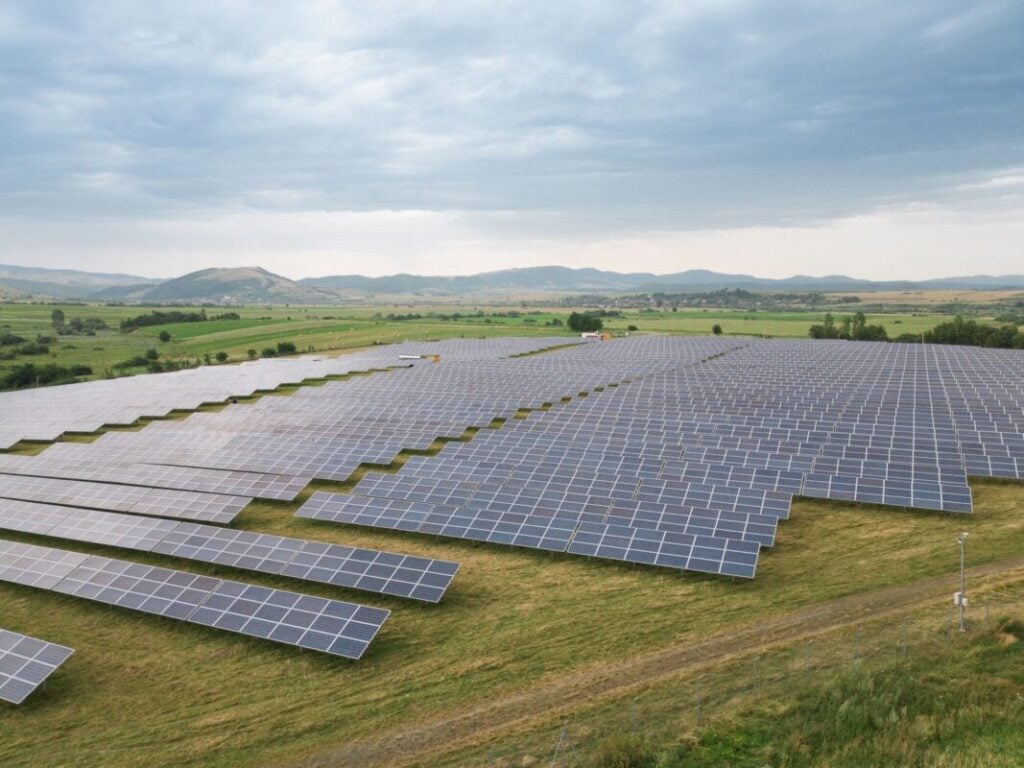
The selling price of several solar PV module technology types in Europe increased between January and February of this year, reflecting stable confidence in the European solar market.
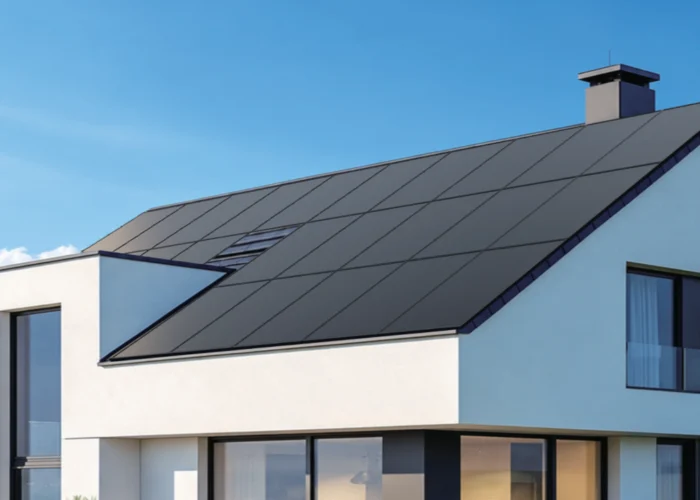
This is the headline takeaway from sun.store’s latest pv.index report into purchasing trends in European solar, covering data up to February 2026. The average price of bifacial tunnel oxide passivated contact (TOPCon) and monofacial TOPCon modules increased by 9% and 10% month-on-month, while full black modules and back contact modules saw a price increase of 8% and 7%, respectively, from January to February.
Try Premium for just $1
- Full premium access for the first month at only $1
- Converts to an annual rate after 30 days unless cancelled
- Cancel anytime during the trial period
Premium Benefits
- Expert industry analysis and interviews
- Digital access to PV Tech Power journal
- Exclusive event discounts
Or get the full Premium subscription right away
Or continue reading this article for free
As a result, all four technology types reported an average price of over €0.1/Wp (US$0.12/Wp) for the first time since sun.store began tracking price data for these technology types. Monofacial TOPCOn was the most expensive module type, with an average price of €0.109/Wp, marking the first time that these modules have been more expensive than €0.1/Wp since April 2025.
Both bifacial TOPCon and full black modules broke the €0.1/Wp threshold more recently than this. The only technology type to not see a price increase is monofacial passivated emitter rear contact (PERC), which remained stable at €0.077/Wp; these pricing trends are reflected in the graph below.
According to sun.store, this reflects increased demand for, and confidence in, what the company calls “next-generation solutions”, which it said “are beginning to capture stronger pricing support”.
“TOPCon bifacial prices are now nearly 20% above their mid-2025 trough, highlighting the strengthening position of next-generation module architectures,” explained sun.store in its latest report.
The confidence in technologies such as TOPCon comes as the industry moves towards the technology and away from PERC. But there are concerns about the long-term efficacy of the technology, with multiple studies from the likes of the University of New South Wales (UNSW), the National Laboratory of the Rockies and Fraunhofer ISE highlighting issues with the technology’s power degradation rates.
However, these concerns do not appear to be a priority for European buyers, as February returned a high PV Purchasing Managers’ Index (PMI) score, a figure used by sun.store to measure general buyers’ sentiment in Europe. Taken from a survey of 817 sun.store users, 51% of respondents expect to increase purchases in the coming months, and this general optimism about growth in European solar translates to a PV PMI figure of 69.

This is the same figure that was reported in January, and these figures are a significant seven percentage point increase over the low of 62 reported in December 2025.
Brand popularity fluctuates again
The popularity of various brands of solar equipment in Europe has been less consistent than module prices in recent months. Accoridng to the sun.store report, JA Solar was the most popular panel brand in Europe in February, up from second place in the previous month, while January’s leader, Trinasolar, fell to third place.
The report attributes this to a state of “dynamic competition” among the leading module manufacturers, following plans made by the China Photovoltaic Industry Association (CPIA) to introduce an era of “value competition” in the Chinese solar market after the destructive race to the bottom in module prices seen in 2025.
This uncertainty is perhaps reflected in the prices of inverters, which have fluctuated in recent months. Between January and February, the average price of a 1-15kW hybrid inverter fell by 3%, while the price of larger hybrid inverters fell by 2%. The month-on-month prices of these technologies increased by 1%, and remained flat, respectively, in the previous month.
The most popular inverter brands in Europe are a little more stable, with Deye recording its third consecutive month as the most popular supplier of hybrid inverters in Europe. Huawei and Sungrow, meanwhile, have been the most and second-most popular string inverter brands, respectively, each month since October 2025.
Europe’s leading renewable energy financiers will meet in London for the fifth edition of the Renewables Procurement & Revenue Summit, held on 20-21 May by PV Tech publisher Solar Media. Information about the event, including the full agenda and options to purchase tickets are available on the official website.