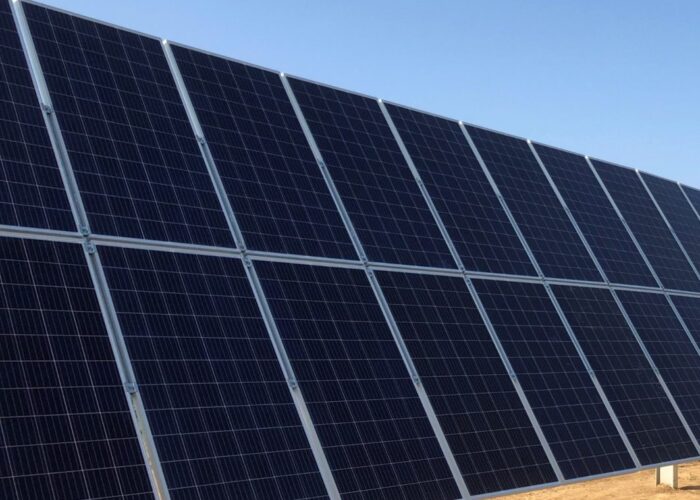
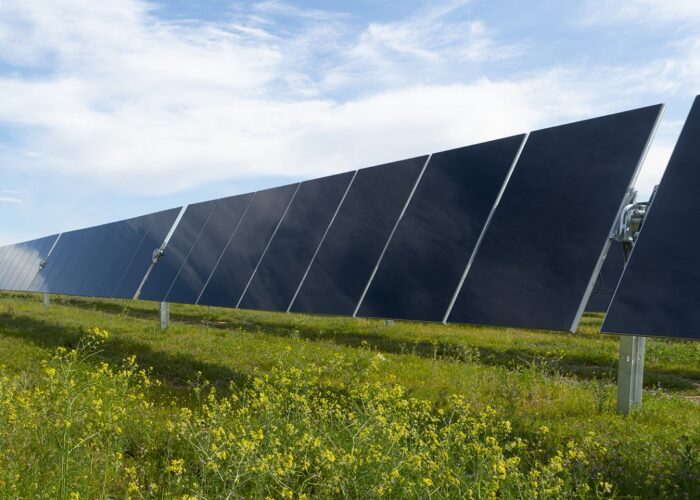
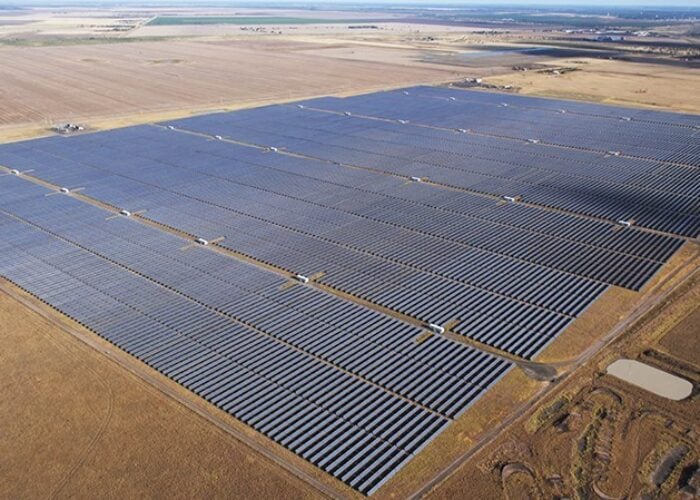
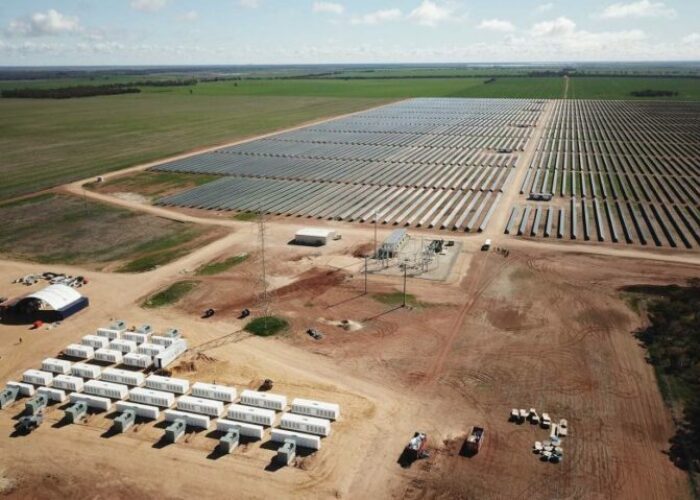
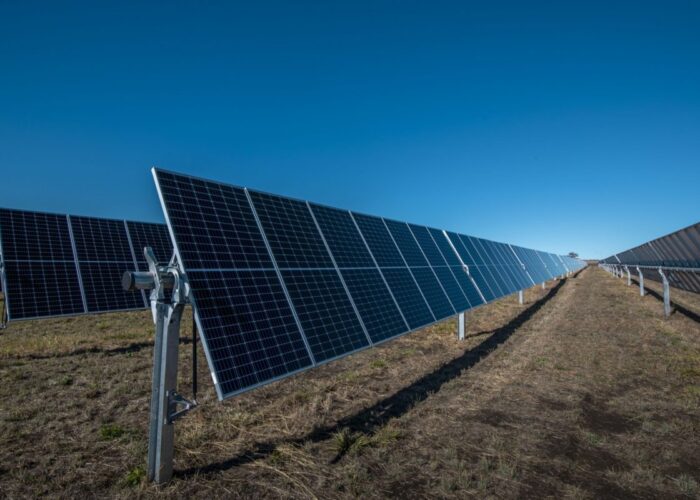
FTC Solar said it has been selected to supply its 2P Voyager+ solar tracker technology for the “largest” DC-coupled solar-plus-storage plant in Australia.
NovaSource Power Services has acquired First Solar’s Australian operations and maintenance (O&M) business, adding approximately 500MW of PV projects to its fleet in the process.
The government of India has released guidelines on the second round of its Production Linked Incentive (PLI) scheme designed to develop greater domestic PV production and slash the country’s reliance on imports.
Australia’s Renewable Energy Agency (ARENA) has launched a AUS$43 million (US$27.7 million) Industrial Energy Transformation Studies Program aimed at identifying opportunities to reduce energy costs and emissions in the country’s industrial sector.
Rajasthan’s electricity regulator has proposed new rules that would make solar installations in the state which supply power to other states provide 10% of their generation to Rajasthan’s state distribution company (Discom) free of charge.