On the day I left Taiwan after a busy week meeting with PV suppliers up and down the supply chain in May, 2016 that was organised by the Taiwan External Trade Development Council (TAITRA) the country elected its first female president, Tsai Ing-wen.
Polysilicon producer REC Silicon is cutting production at its Moses Lake facility by around 50% from the beginning of October due to overcapacity in the solar supply chain.
PV Tech’s preliminary analysis of global PV manufacturing capacity expansion announcements in July and August, 2016 highlight the industry fears over a new period of overcapacity across the supply chain after explosive growth plans announced in the first half of 2016.
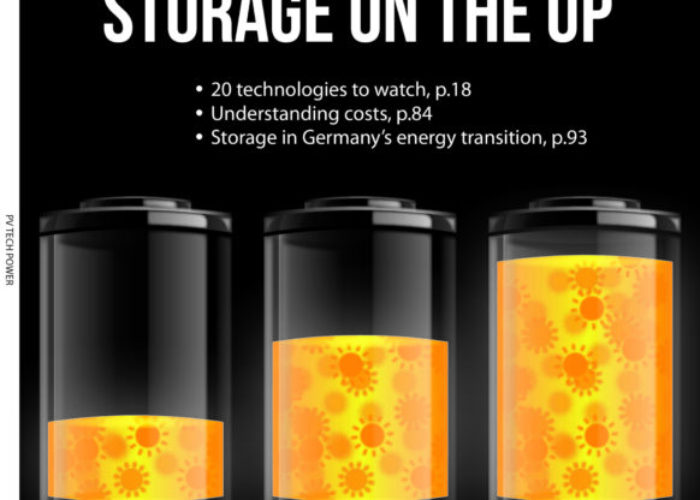
This issue turns the focus on energy storage with guides on the top 20 technologies, understanding the costs involved and the how Germany is integrating it as part of its energy transition. We also look at the threat of cyber-attacks on solar plants, why there are still reasons to be cheerful about the large-scale European market and how one link of the US supply chain has clubbed together for a greater say in policy-making. Our regular technical papers cover climate stress on module degradation and the quest for accurate irradiance measurements and we get under the skin of West Africa's first utility-scale solar plant.
Tech giant Apple will build 200MW of solar in China and work with its supply chain partners in the country to develop a total of 2GW of clean energy capacity.
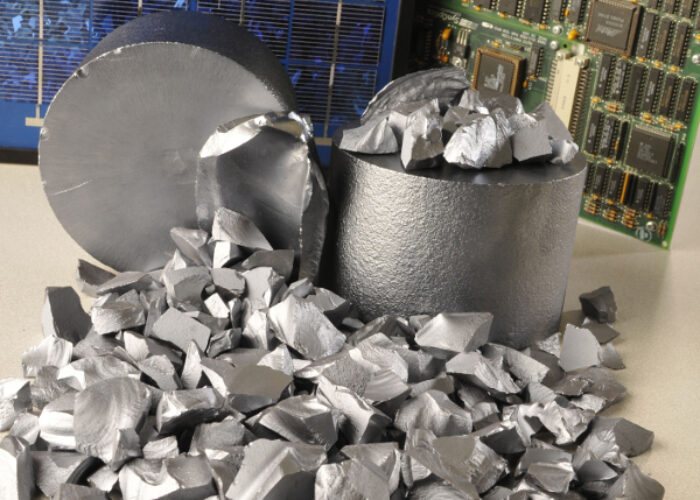
How silicon feedstock is packed into casting crucibles can have a big impact on the size and cost-efficiency of the resultant solar ingots. Til Bartel looks at some of the latest thinking around this essential stage in the PV manufacturing supply chain.
PV manufacturers are under increasing pressure to remove so-called conflict materials from their supply chains. But as Chris Berry explains, it's not quite as simple as that.
Two years of overcapacity in the global PV supply chain have led to investment in new manufacturing capacity grinding to a halt. However, booming global end-market demand has brought the supply–demand imbalance under control and as a result the world’s leading equipment suppliers have begun looking at serious capacity expenditure. On the basis of recent announcements and annual report publications by some of the leading manufacturers, this article examines where, when and by whom capacity expansions are now planned.
Having teased the PV equipment supply chain with its multi billion dollar thin-film CIGS capex plans, Hanergy has now revealed the first part of its plans.