PV manufacturers are under increasing pressure to remove so-called conflict materials from their supply chains. But as Chris Berry explains, it's not quite as simple as that.
Two years of overcapacity in the global PV supply chain have led to investment in new manufacturing capacity grinding to a halt. However, booming global end-market demand has brought the supply–demand imbalance under control and as a result the world’s leading equipment suppliers have begun looking at serious capacity expenditure. On the basis of recent announcements and annual report publications by some of the leading manufacturers, this article examines where, when and by whom capacity expansions are now planned.
Having teased the PV equipment supply chain with its multi billion dollar thin-film CIGS capex plans, Hanergy has now revealed the first part of its plans.
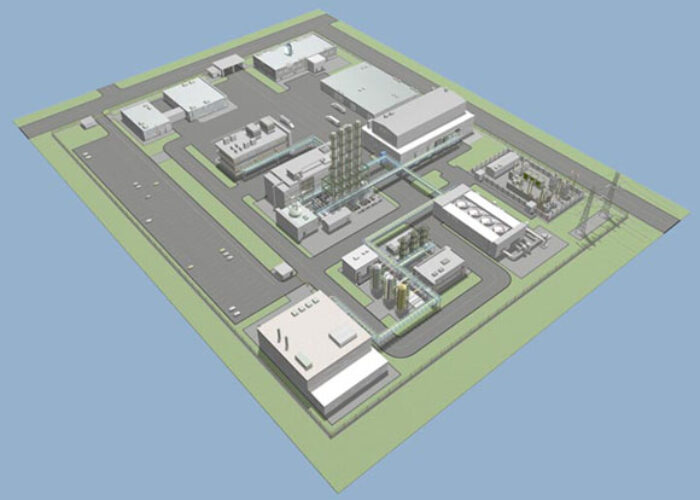
Plans to build a fully integrated PV supply chain within Saudi Arabia are continuing slowly with reports that Idea Polysilicon Company (IPC) has received four bids to build its proposed 10,000MT polysilicon plant and ingot/wafer operations.
Has the latest round of consolidation in the supply chain enabled a more sustainable growth curve for the solar industry or is this a blip fuelled by subsidies? In this context Photovoltaics International has never been more relevant for your business. Whether you are a glass half empty or full person, the fact remains that orders are up across the board, new markets are coming on stream and analysts’ predictions are increasing again. Optimism is starting to creep into even the most conservative of organisations.
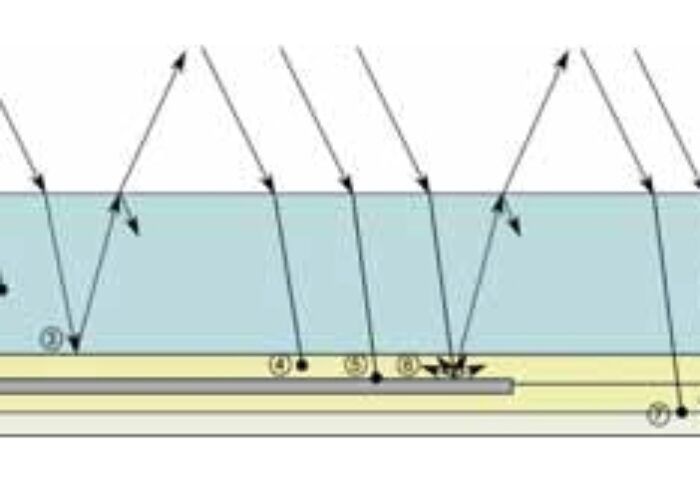
The rapid growth of the PV market during the last five to seven years entailed a considerable expansion of the encapsulation material market, which temporarily led to shortages in the supply chain. Simultaneously, module prices decreased significantly, which resulted in intense pressure on production costs and the cost of PV module components, inducing changes in the encapsulation material market towards new materials and suppliers. This pressure – together with the huge impact of the encapsulation material on module efficiency, stability and reliability – makes the selection of encapsulation technologies and materials a very important and critical decision in the module design process. This paper presents an overview of the different materials currently on the market, the general requirements of PV module encapsulation materials, and the interactions of these materials with other module components.
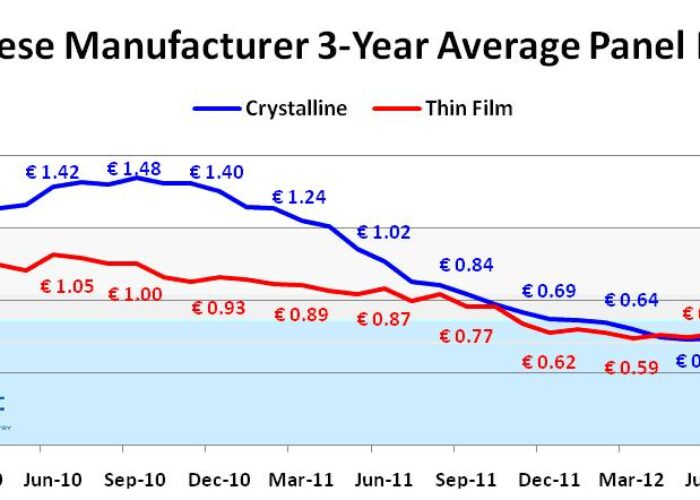
ASP declines in 2012, driven by industry overcapacity throughout the PV supply chain, forced over 350 companies in China, from equipment suppliers, polysilicon producers to module manufacturers, to stop operations entirely, according to market research firm ENF.
Our focus here at Photovoltaics International has always been on efficiency improvement and driving down the cost per watt of modules. In this issue we take a look at some of the market dynamics driving prices in the supply chain so that you can make better decisions to help reduce your overall cost per watt and increase your efficiency at the same time.
Overcapacity in the c-Si ingot/wafer supply chain has forced materials specialist, Cookson to close one of its two ingot crucible production plants in China, with immediate effect. The company had closed a similar plant in the Czech Republic in July 2012, which has supplied crucibles, primarily to the European market. Major European-based ingot/wafer producers such as PV Crystalox are down below 30% capacity utilization on the back of weak demand.