Greater standardisation of renewable energy projects will be critical to reaching net zero by 2050, according to a joint report by Princeton University and engineering company Worley.
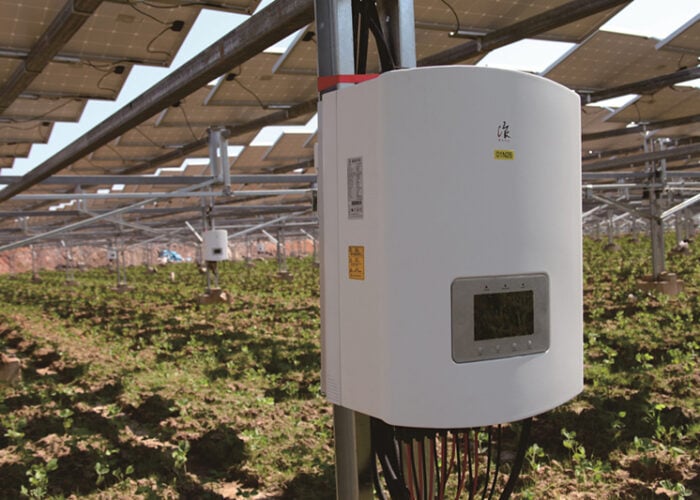
PV Tech sat down with Claire Gardner, marketing manager at inverter specialist Solis, to discuss the potential growth of European markets, the rising interest in energy storage and the importance of accurate energy data.
Enel Green Power has signed a 15-year power purchase agreement (PPA) with brewing company Bavaria AB InBev that will supply clean electricity to the brewer’s operations in Colombia.
US wholesale power provide Guzman Energy has received approval from the Delta County Board of Commissioners for a limited use permit required to install and operate the proposed Garnet Mesa Solar project in Southern Delta County, Colorado.
US Solar Fund has sold a purchase option over its 50% interest in the 200MW Mount Signal 2 (MS2) PV project in southern California to renewables company MN8 Energy, which was formerly known as Goldman Sachs Renewable Power.
Solar Philippines Nueva Ecija Corporation (SPNEC) is planning to add a 3.5GW solar farm to its 500MW system already under construction on the Northern Filipino region of Luzon, which the company claims would make it the largest PV project in the world.