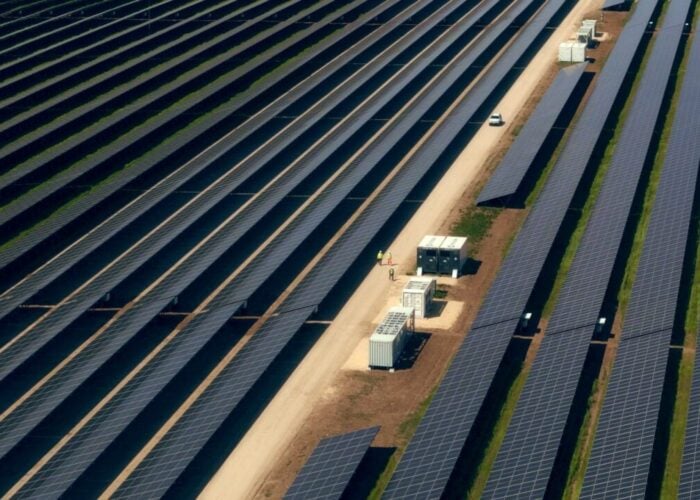
An announcement by Sharp Solar outlining the potential boom in the Turkish PV market has referred to the country’s government’s recent introduction of a €0.28 feed-in tariff for the first 10 years, with a rate of €0.22 thereafter for another 10-year period. Turkey receives an average of seven hours of sunshine per day, with a radiation intensity of 1,300 kilowatt-hours per square metre.
“There can be few countries in Europe that have as much growth potential as Turkey when it comes to the solar market,” says Peter Thiele, Executive Vice President Sharp Energy Solutions, Europe.
Try Premium for just $1
- Full premium access for the first month at only $1
- Converts to an annual rate after 30 days unless cancelled
- Cancel anytime during the trial period
Premium Benefits
- Expert industry analysis and interviews
- Digital access to PV Tech Power journal
- Exclusive event discounts
Or get the full Premium subscription right away
Or continue reading this article for free
Turkey’s potential for being a major player in the PV industry has as yet gone relatively unnoticed. The Turkish government’s introduction of the feed-in tariff will most likely place Turkey on the map from the perspective of renewable energy, and photovoltaics in particular. The country currently sources approximately 70% of its energy requirements from abroad.
“Turkey has long been one of Sharp’s European focus markets for photovoltaics,” commented Barbara Rudek, Manager Governmental Policy Affairs Sharp Energy Solution Europe. “Together with our partner FORM Solar we have been active in this market for a number of years and are keeping a close watch on developments. The 28 euro cent feed-in tariff for solar energy agreed for the first ten years, with 22 euro cent during the next ten years will, we believe, ensures a start of a healthy development of the market without the risk of overheating as was witnessed in Spain for example, but could be improved in order to generate more interest of investors.”