Spanish renewable energy company Zelestra has finalised a power purchase agreement (PPA) with Facebook’s parent company Meta for its 176MW Skull Creek Solar Plant in Texas.
The companies said the project would support Meta’s aim of matching its operations with 100% clean and renewable energy.
Try Premium for just $1
- Full premium access for the first month at only $1
- Converts to an annual rate after 30 days unless cancelled
- Cancel anytime during the trial period
Premium Benefits
- Expert industry analysis and interviews
- Digital access to PV Tech Power journal
- Exclusive event discounts
Or get the full Premium subscription right away
Or continue reading this article for free
The Skull Creek deal brings the number of PPAs between Zelestra and Meta to seven, totalling 1.2GW of solar capacity across the US.
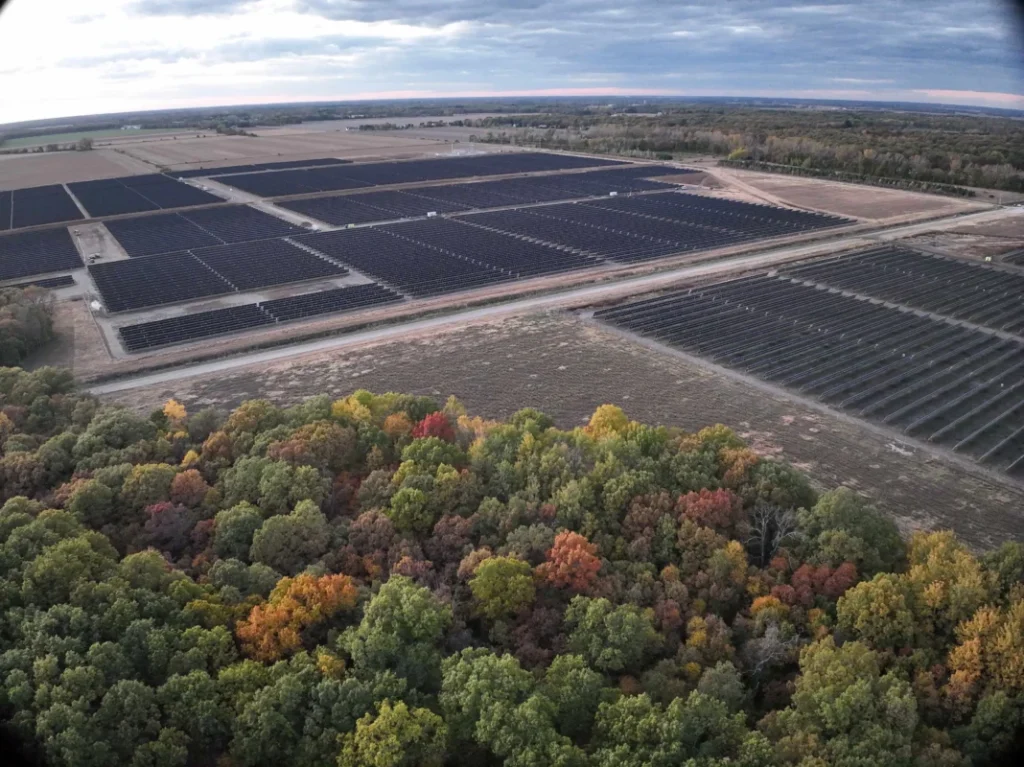
The first of these projects, the 81MW Jasper County Project in Indiana, achieved full commercial operation last year, and two more are due to begin construction in 2026. The entire portfolio is scheduled to be online by 2028, Zelestra said.
Phil North, Zelestra’s US CEO, said: “Our clean energy collaboration with Meta is gathering momentum across the US. We are delighted to welcome full operations at Jasper County and start of construction at two further major projects, at the same time as closing another major agreement that will enable the construction of Skull Creek in Texas. Thanks to our forward-looking partnership, nearly 1.2 GWdc of new clean solar power will soon be operational in the US.”
In separate news, Zelstra has also finalised a long-term PPA deal with retail supplier AEP Energy Partners (AEPEP) for its 50MW Gem City Solar project in Dayton, Ohio.
Under the deal, AEPEP will sell all the power from the project to its retail affiliate AEP Energy. AEP Energy supplies the City of Dayton’s community aggregation programme, which offers residents a 100% renewable energy option.
After securing the PPA, Zelestra said it was now advancing its construction planning programme for the project. Full work on the project is anticipated to begin in early 2027, with the project fully operational by the end of that year.