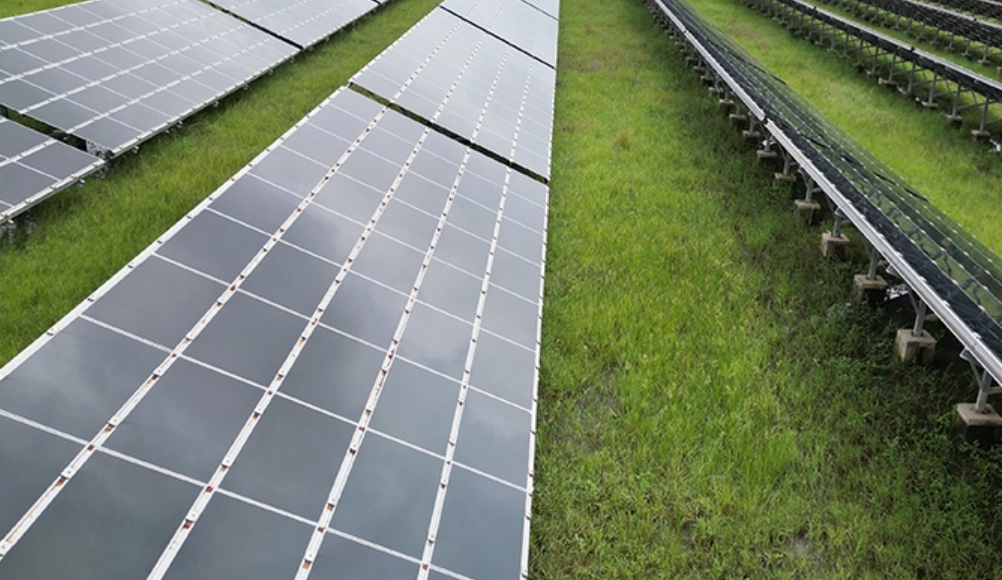
Independent power producer (IPP) ACME Solar has signed a 300MW/1,200MWh power purchase agreement (PPA) with the Solar Energy Corporation of India (SECI) for a solar-plus-storage portfolio.
The deal, signed through ACME’s subsidiary ACME Greentech Twenty, will see ACME provide power at a rate of INR6 (US$0.063) per unit from a portfolio of solar PV and co-located battery energy storage system (BESS) assets in India. The deal has an effective date of 6 October 2026.
Try Premium for just $1
- Full premium access for the first month at only $1
- Converts to an annual rate after 30 days unless cancelled
- Cancel anytime during the trial period
Premium Benefits
- Expert industry analysis and interviews
- Digital access to PV Tech Power journal
- Exclusive event discounts
Or get the full Premium subscription right away
Or continue reading this article for free
Under the terms of the deal, ACME will supply 4MWh per megawatt of contracted capacity for any four hours during “non-solar hours”—referring to periods where the sun is not shining—while maintaining a monthly average availability of 90%.
The four-hour period is notable as the PPA has been signed as part of the ninth tranche of the Indian government’s firm and dispatchable renewable energy (FDRE) tenders.
These tenders combined variable renewable energy sources, such as solar PV, with energy storage technologies, such as BESS, to ensure a robust supply of clean energy generation. As part of these deals, generators must nominate a four-hour window each day during which they are obligated to supply power; PV Tech has asked ACME if its decision to provide power for any four non-solar hours has been agreed with SECI, in lieu of agreeing to deliver power at a designated period of time.
ACME said that the deal would help “support the growing need for reliable, dispatchable clean power during evening and night-time peak demand,” and is the company’s second FDRE PPA signed with SECI this year. In May, ACME signed a PPA of the same size as this week’s deal as part of the eighth tranche of SECI’s FDRE tenders.
The company also commissioned 480MWh of BESS in March, in preparation for future rounds of the FDRE tenders, bringing its total capacity under FDRE contracts to nearly 1GW. SECI launched the ninth tranche of the tender in June, inviting bids of 4,800MWh of capacity supported by co-located BESS projects, to encourage new renewable energy capacity additions and deployment of storage.
BESS, in particular, has emerged as India looks to significantly expand its renewable energy deployments, while contending with a grid infrastructure that is struggling to keep up. Earlier this year, Vinay Rustagi, chief business officer at Indian module manufacturer Premier Energies, told PV Tech Premium of the “urgency” necessary to improve the country’s grid infrastructure.
In response, the Indian government has sought to expand its investments in large-scale BESS projects, approving a US$19.3 billion investment into the third phase of its Green Energy Corridor in October, which will include 50GWh of new BESS.