ACEN Australia has referred its 1GW Belyando Energy solar, wind and battery storage project in Central Queensland for assessment under Australia’s Environment Protection and Biodiversity Conservation (EPBC) Act.
The referral is the first federal step for the project. It asks the government to decide whether the development needs full assessment for its likely effects on matters of national environmental significance, such as threatened species.
Try Premium for just $1
- Full premium access for the first month at only $1
- Converts to an annual rate after 30 days unless cancelled
- Cancel anytime during the trial period
Premium Benefits
- Expert industry analysis and interviews
- Digital access to PV Tech Power journal
- Exclusive event discounts
Or get the full Premium subscription right away
Or continue reading this article for free
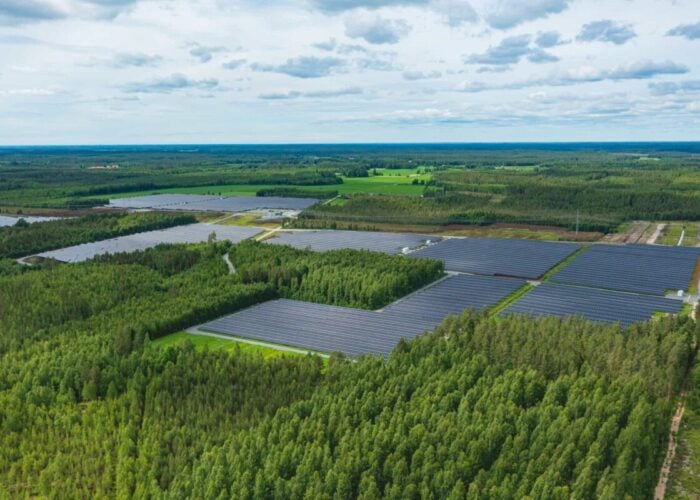
The referral reveals up to 500MW of solar PV and up to 440MW of wind generation from as many as 55 turbines. These sit alongside a battery energy storage system (BESS) and up to six collector substations across a project area of about 16,329.7 hectares, around 25km south-west of Moranbah.
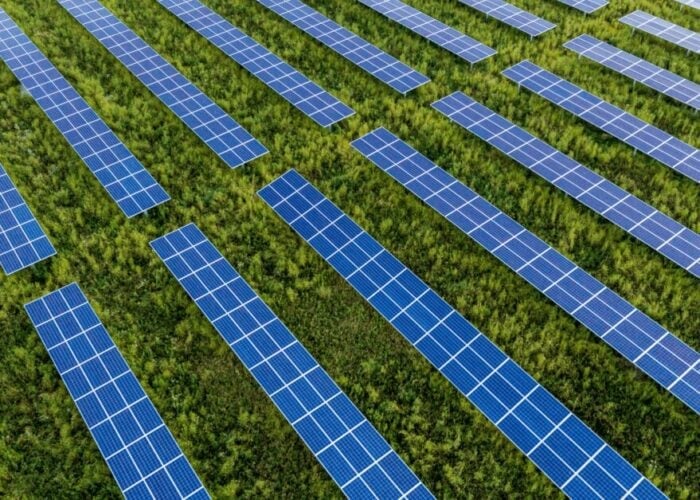
The solar PV arrays would sit on single-axis trackers across a footprint of up to 940 hectares, while the turbines would reach a maximum tip height of 280m.
ACEN gives different figures on its Belyando Energy project page, which lists 500MW of wind, 500MW of solar PV and a 500MW/1,600MWh BESS. It places the site in the Isaac Region, about 60km south-west of Moranbah.
ACEN says the referral is based on the project’s initial concept design and describes Belyando as in early development.
The referral puts the wind turbines’ operating life at about 30-35 years and the solar PV plant’s at about 25-30 years.
The referral is listed as open for public comment, after which the federal government decides whether the project is a “controlled action” that needs full assessment.
ACEN Australia is the Australian arm of Philippine energy company ACEN. It began operating the first stage of its New England solar PV plant in New South Wales in 2023, and has used the federal process before.
The developer referred the 600MW Birriwa solar-plus-storage project in 2024. In Queensland, it has also sought federal approval for the 440MW/1,760MWh Lilyvale BESS in the Central Highlands.
Neoen refers up to 600MW Livingstone solar PV plant in New South Wales
Meanwhile, Neoen has referred its Livingstone solar-plus-storage project near Wagga Wagga in New South Wales for assessment under the EPBC Act.
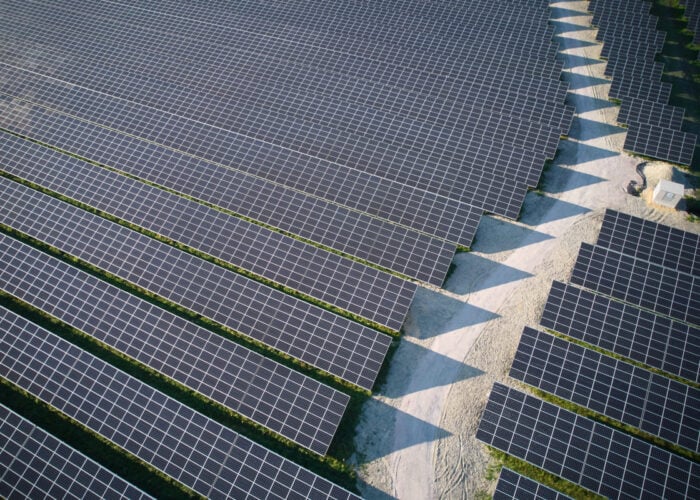
The referral covers a solar PV plant of between 300MW and 600MW with a BESS of up to 400MW/1,600MWh. The site lies at Big Springs and Gregadoo, about 15-20km south-east of Wagga Wagga.
The project area spans about 2,900 hectares of mostly grazing and farmland, with a development footprint of about 1,423 hectares. The referral says agrisolar is planned, so agricultural activity may continue on the site.
An existing 330kV line between Wagga and Lower Tumut crosses the north of the site. Neoen plans to connect to Transgrid’s proposed Gugaa substation on the 500kV HumeLink transmission line, which Transgrid would build on land it will acquire within the project.
Neoen expects construction to begin in 2030, subject to approvals, and to take about 12-14 months. The referral sets an operating life of 30-40 years and does not give workforce figures.
The French independent power producer’s nearest operating asset is the 440MWp Culcairn solar PV plant, which became fully operational in the Murray region in May. Culcairn forms part of a 1.2GW portfolio for which Neoen secured an AU$1.8 billion (US$1.26 billion) debt package this year.
The company has also submitted its 1.2GW Bondo wind generation plant with battery storage in southern New South Wales to the EPBC Act.
A busy EPBC pipeline for solar-plus-storage
ACEN’s and Neoen’s referrals add to a run of solar-plus-storage submissions this year. Edify Energy referred its 800MW Glenarbon solar PV plant in southern Queensland last week, with an 800MW/3,200MWh BESS.
In August, Windlab and Squadron Energy referred the 500MW Bungaban solar project in Queensland’s Western Downs. Mint Renewables followed in September when it submitted its 375MW Magpie Hill solar PV plant near Tarago in New South Wales.
Some solar projects clear the process at the first stage. In January, the government found Tonic Group’s 75MW Binningup project in Western Australia was not a controlled action, granting approval within four weeks of submission.
The referrals arrive as the federal government implements the Environment Protection Reform Act 2025, passed in November 2025. The law created a National Environmental Protection Agency and a 30-business-day assessment pathway for non-fossil fuel projects, with full commencement required by December 2026.
In July, the Clean Energy Investor Group (CEIG) called for urgent implementation of the amended Act to unlock renewables. The investor body said national environmental standards, an offsets calculator and the definition of “net gain” were still under development, and that only one of the 10 recommendations from its 2024 review had been fully implemented.