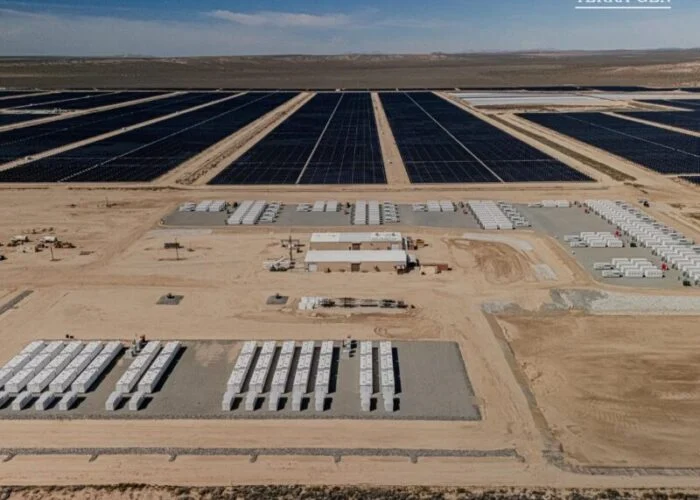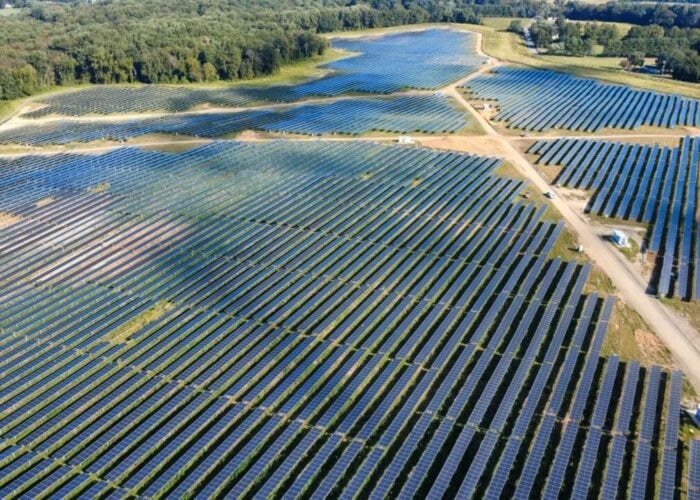
California could be at risk of energy shortfalls this summer because of above-normal temperatures impacting solar output, the North American Electric Reliability Corporation (NERC) has warned.
The organisation, which monitors and assesses the reliability of the US’ bulk power system, said up to 11GW of additional transfers are expected to be needed in late afternoon to offset reduced solar output in California this summer, in contrast to 1GW of transfer needed on a normal peak day.
Try Premium for just $1
- Full premium access for the first month at only $1
- Converts to an annual rate after 30 days unless cancelled
- Cancel anytime during the trial period
Premium Benefits
- Expert industry analysis and interviews
- Digital access to PV Tech Power journal
- Exclusive event discounts
Or get the full Premium subscription right away
Or continue reading this article for free
Meanwhile, Texas, New England and the Midcontinent Independent System Operator (MISO) – which delivers power across 15 US states and the Canadian province of Manitoba – are expected to have an “elevated risk” of energy shortfalls this summer.
The announcements were made during NERC’s quarterly board of trustees meeting. “We have consistently signalled the need to be cognizant of reliability issues as we navigate this transition to a cleaner energy future and the need to manage the pace of change,” said NERC CEO Jim Robb.
The projections for this summer follow a 2020 wildfire season in California that scorched more than 4.2 million acres of land and damaged or destroyed over 10,000 structures.
While solar PV’s efficiency drops during extreme temperatures, output was also affected by airborne particles from wildfires blocking out sunlight. Average solar generation in the California Independent System Operator (CAISO) area in the first two weeks of September declined nearly 30% from the July 2020 average, according to the US Energy Information Administration.
Meanwhile, California governor Gavin Newsom has tabled a revision to the state’s budget which includes the provision of US$350 million of support for “pre-commercial long-duration storage projects”, described as critical to the success of electricity system decarbonisation in the state. More detail on this story can be read on sister publication Energy-Storage.news.