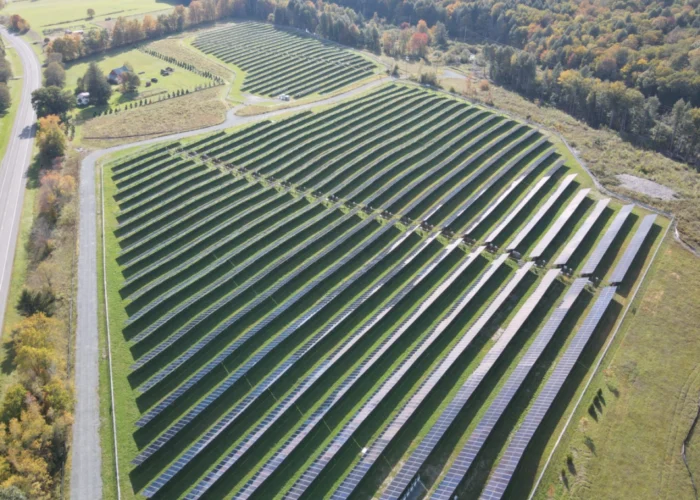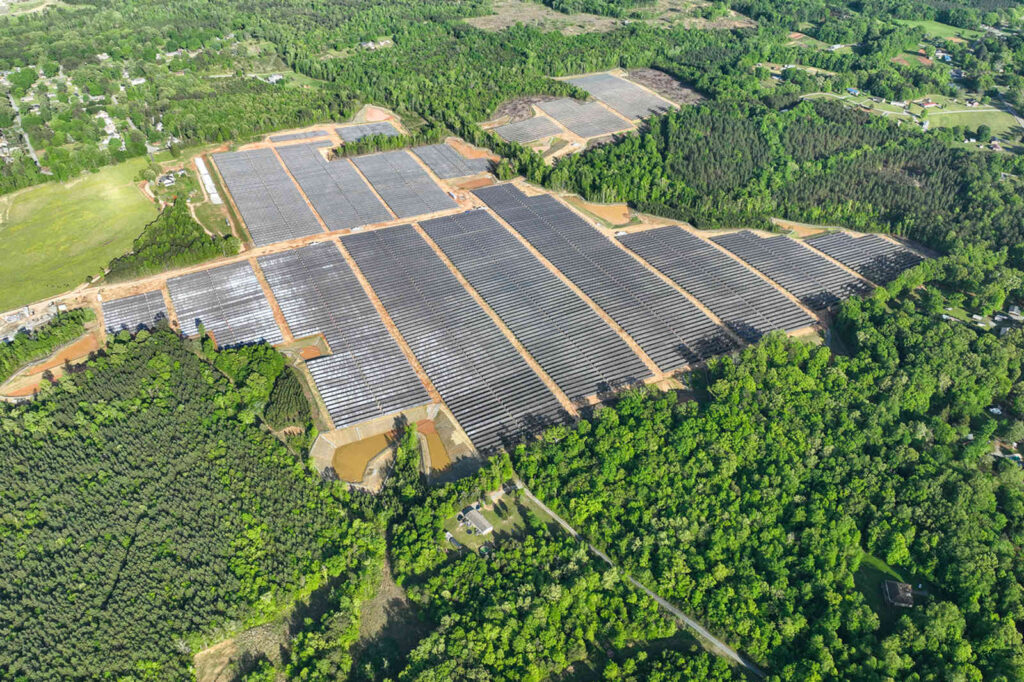
Solar PV developer RWE has signed a power purchase agreement (PPA) with tech giant Google to power data centre operations in Oklahoma, US.
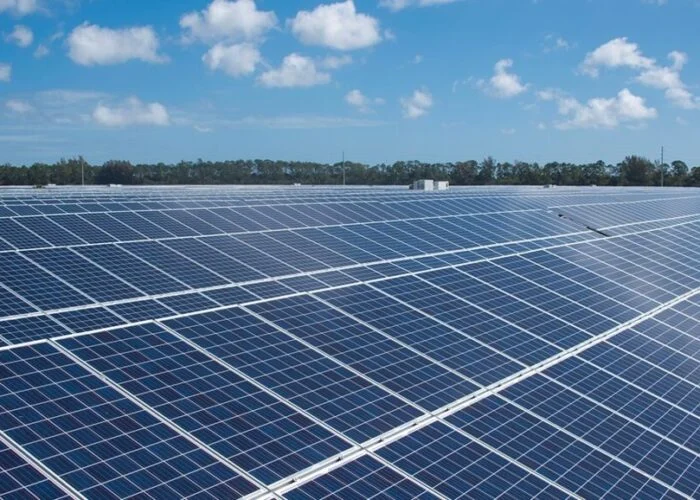
The two companies inked a 15-year PPA for the 155MW Crooked Creek solar project in McCurtain County, Oklahoma this week, which will power Google’s operations in the Southwest Power Pool (SPP) market. Google has at least two data centres in Oklahoma.
Try Premium for just $1
- Full premium access for the first month at only $1
- Converts to an annual rate after 30 days unless cancelled
- Cancel anytime during the trial period
Premium Benefits
- Expert industry analysis and interviews
- Digital access to PV Tech Power journal
- Exclusive event discounts
Or get the full Premium subscription right away
Or continue reading this article for free
RWE – headquartered in Germany – said the project is slated to begin onsite construction later this year and enter commercial operation in 2028.
Ingmar Ritzenhofen, chief commercial officer, RWE Americas, said this agreement with Google “reflects the growing demand for affordable, reliable, domestically produced energy.”
Google and other tech giants have made massive investments in power supply over recent years. Just last month, it signed another solar PPA in Oklahoma with Leeward Renewable Energy for a portfolio of projects. Construction also began on what will be the US’ largest solar-plus-storage project, the 2.5GW/2.9GWh Steel River Energy Centre in Arkansas – Google has plans in place to buy power from the first two stages of that project.
Will Conkling, director of energy and power at Google, claimed that “Supporting a strong, stable, affordable grid is a top priority [for Google] as we expand our infrastructure.”
Research from Goldman Sachs has said that the expansion of data centres elevates “power reliability risks” in the Mid-Atlantic, Mid-Continent, and Northwest US, because the planned expansion of data centre demand is higher than the current power supply pipeline. The bank also said that the expected expansion in data centre power demand for AI infrastructure, increasing by tens of gigawatts over the next two years, “will have consequences for electricity prices and grid stability across the country”.
The Lincoln Institute of Land Policy has also said that data centres are part of the reason that US energy bills have increased rapidly over recent years, as the cost of new infrastructure to accommodate data centres for companies like Google is generally passed on to consumers through utility bills. While procuring power directly from a project like Crooked Creek lessens the impact on bills, data centres still rely on – and put strain on – utility infrastructure that is paid for by ratepayers.