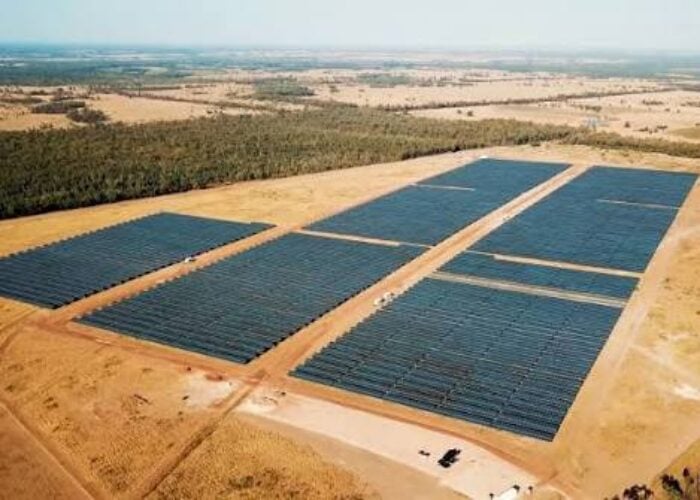
At the end of 2017, South Korea announced its 2030 renewable energy scheme, targeting 63.8GW capacities (20%). Of the renewable capacities added, 63% will be PV and 34% will be wind energy. Starting from this scheme, Korea's solar PV industry has seen huge leaps in the past two years.
Huawei Intelligent PV South Korean head Minghuang Tang told PV Tech: “Wen zaiyin’s South Korean government strives to develop new energy, under this renewable energy scheme. PV capacity will exceed 30GW by 2030, which equals to over 2GW every year. In 2018, Korea’s new PV capacity reached around 1.6GW-1.7GW. At present, new capacity added to the South Korean market can be ranked sixth or seventh worldwide, demonstrating a stable and considerable development potential.”
Try Premium for just $1
- Full premium access for the first month at only $1
- Converts to an annual rate after 30 days unless cancelled
- Cancel anytime during the trial period
Premium Benefits
- Expert industry analysis and interviews
- Digital access to PV Tech Power journal
- Exclusive event discounts
Or get the full Premium subscription right away
Or continue reading this article for free
It has been three years since Huawei inverters’ entry into the South Korean market. Prior to that, Huawei had worked with its partners to explore the local market. It formally set up its South Korean inverter division in 2018 and has since shipped more than 200GW inverters. The company planned to double its sales target in 2019.
There are not many local South Korean inverter manufacturers. The country's stable market demands have attracted many international inverter players. European and American companies aside, almost all the mainstream Chinese and Japanese inverter enterprises have spared no efforts in exploring this market. Facing such fierce competition, Huawei says its inverters have distinguished themselves by virtue of power efficiency and reliability, enabled by the firm's global R&D strength.
In the past, South Korea preferred European and US inverter brands, such as ABB and SMA. Over the last two years, efforts from Huawei and other Chinese inverter manufacturers have changed the status quo. These companies need to combat fierce competition but also familiarise themselves with Korean market rules to achieve continued shipment growth in the country.
Huawei’s Korean technology chief said: “South Korea's PV application is mostly small plants. 3MW and below is the norm. Usually, PV projects are made up of 100kW power plants. Local customers consider 1MW or 2MW as big ones. Single projects above 3MW are rarely found. It has something to do with the subsidies. The Korean government allocates subsidies by project size, with the 100kW getting the most and 3MW and above getting the least.”
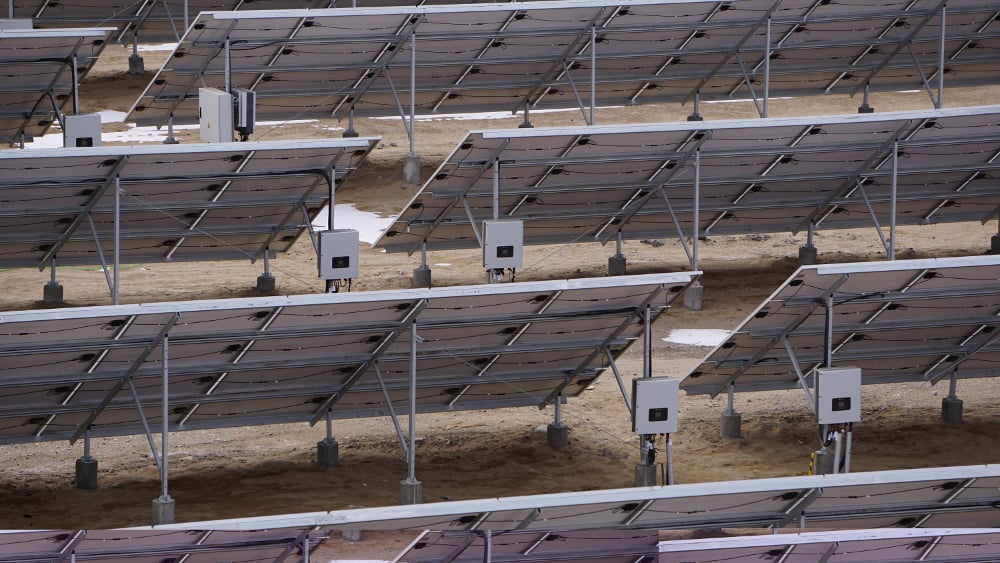
Product needs are contingent on plant types. 50-60kW inverters fitting the common 100kW plants found wider application in Korea, especially the 50kW inverters.
“We are planning to introduce a 100kW inverter product catering to the Korean market in the second half of this year to better match the plant needs. This product will be a pioneer Korean market in terms of both technical and cost competitiveness,” the company has confirmed.
The introduction of the new product will further enhance Huawei's competitiveness in this market.
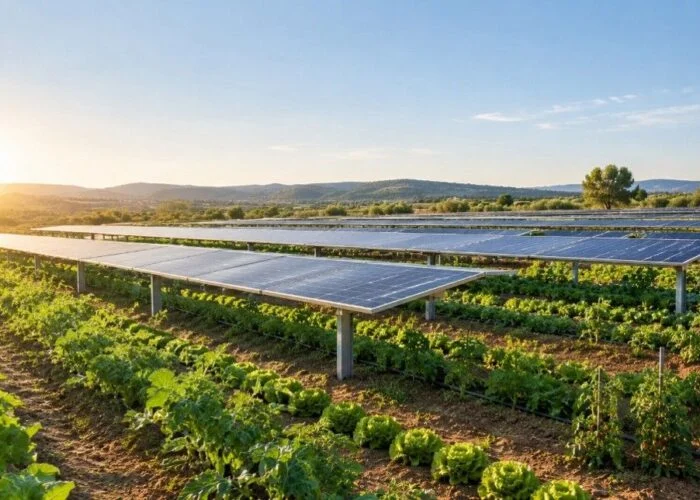
It is known that in addition to the traditional plants, the Korean PV market also includes floating solar, small PV systems, PV plus agriculture, PV plus building integration, among others. These projects are all being nurtured. On the other hand, the small residential market, small residential PV-plus-storage, C&I storage – boosted by renewable portfolio standard programme – and Green certificates are all on the rise.
When talking about the next plan for this potential market, Huawei Korean technology chief said: “We are confident in the Korean PV market. We will continue to invest in R&D and sales in Korea for the introduction of the most advanced technology and products to enable a better and faster development for its renewable industry.”