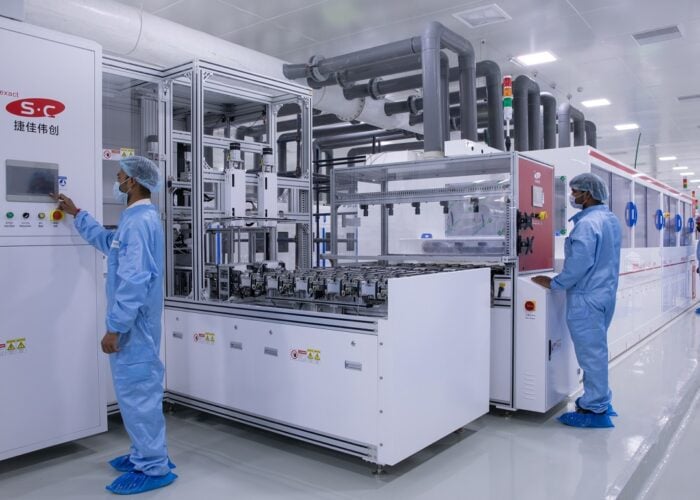
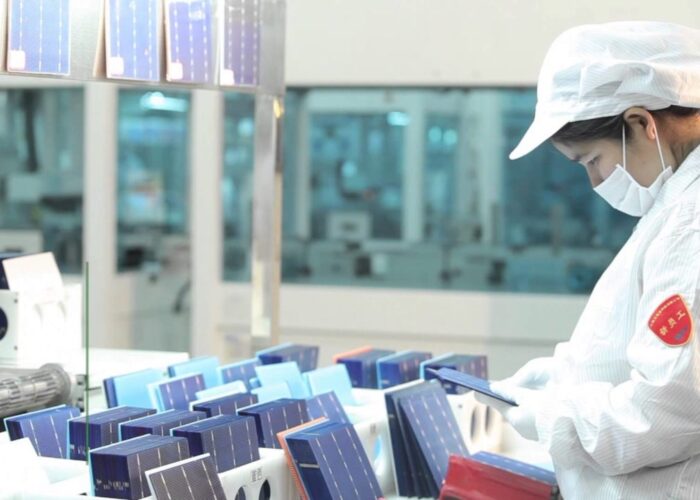
India must scale up investment in the large-scale domestic manufacture of upstream PV products to avoid the risk of logistics and commodity price fluctuations posed by its current high levels of solar imports, new research has suggested.
Delays in the shipping industry have likely peaked already, with the turnaround time for containers likely to fall month after month moving further into 2022. While the price of moving containers from China to Europe and the US remains very high, they have come down slightly since last year.
China is expected to add 83 – 99GW of PV capacity every year from 2022 to 2025, while Europe is now its largest export market for solar products, according to a China Photovoltaic Industry Association (CPIA) report on the outlook for the PV industry over the next few years.
India’s Production Linked Incentive (PLI) scheme is expected to add up to 40GW of additional cell and module manufacturing capacity in the country as it operates in tandem with the country’s upcoming Basic Customs Duty (BCD), according to Indian rating agency ICRA, a Moody's Investors Service company.
Researchers in Saudi Arabia have reported the “the first ever” successful damp-heat test of perovskite solar cells, which they claim has moved the technology closer towards commercial viability after it withstood 1,000 hours of harsh conditions and maintained a 95% efficiency.
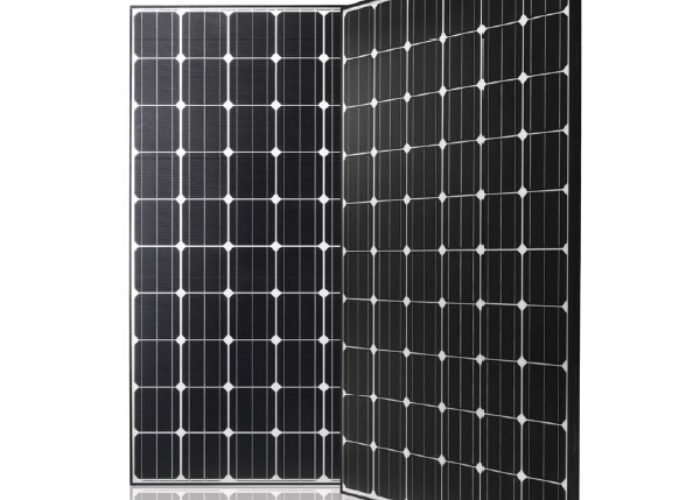
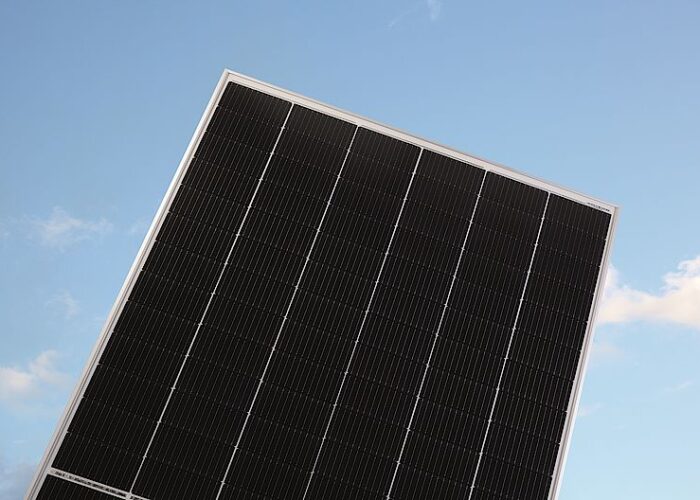
Module manufacturer and energy solutions company Q CELLS has begun selling its new Q.Peak DUO-G10 panel in Europe, which the company said is its “most powerful solar module ever”.
US solar installer SunPower’s backlog has reached its highest ever level, but the firm said its Q4 earnings were hit by a supplier quality charge as well as installation delays because of COVID and poor weather.
Solar Module Super League (SMSL) member JA Solar is again aggressively expanding its manufacturing capacity, unveiling a new RMB3.5 billion (US$552 million) investment programme for new facilities.