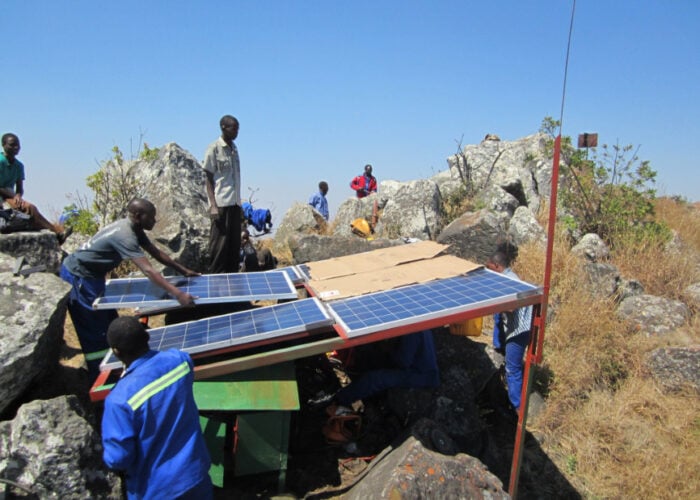
Uruguay has decided to power its Antarctic base with solar power. Marcelo Mula, executive director at the installer Tecnogroup, explains the challenges as the company prepares to upscale the test array to 100kW in 2019.
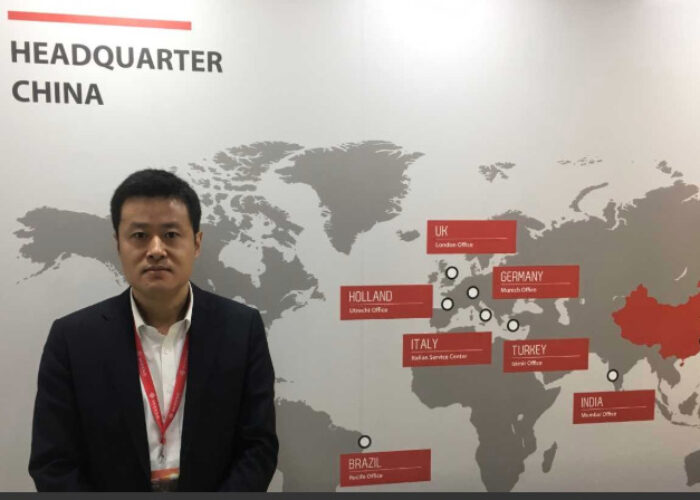
After disappointing beginnings, India's rooftop solar market is now thriving with 75% year-on-year growth. PV Tech caught up with Ron Shen, vice president, international sales and service centre at China-based PV inverter supplier GoodWe, to discuss knock-on effects of safeguard duties on modules, price pressure and market growth.
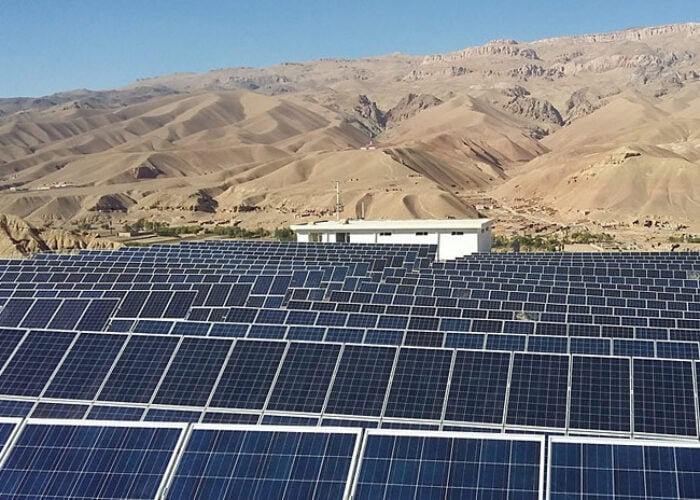
The government of Afghanistan is inviting expressions of interest from developers to bid for up to 2GW of solar as part of an effort by the Central Asian country to boost its energy self-reliance and meet growing electricity demand.
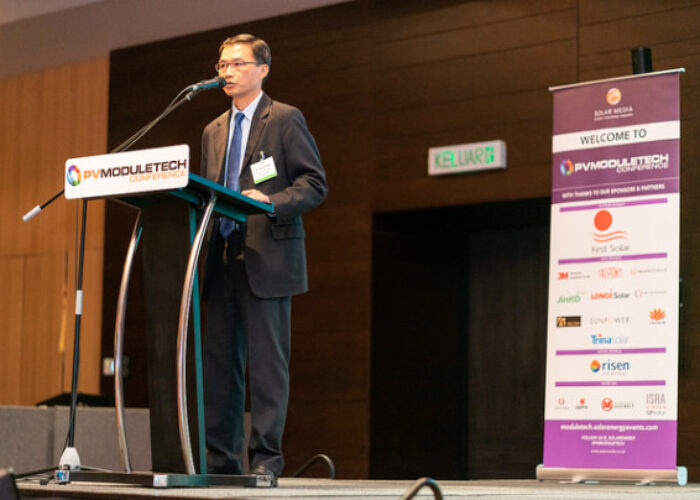
PV Tech caught up with Ku Junheong, senior sales director, Asia-Pacific and Middle East (APME) at China-based PV manufacturer Trina Solar, to discuss global demand profile and the rising markets of Southeast Asia.
Earlier this year, the African Development Bank announced plans to facilitate 10GW of solar across the barren, semi-arid Sahel region of Sub-Saharan Africa. PV Tech investigated how increasing human pressure on the land and the widespread cutting down of trees for wood and charcoal for fuel can be alleviated by solar PV technology.
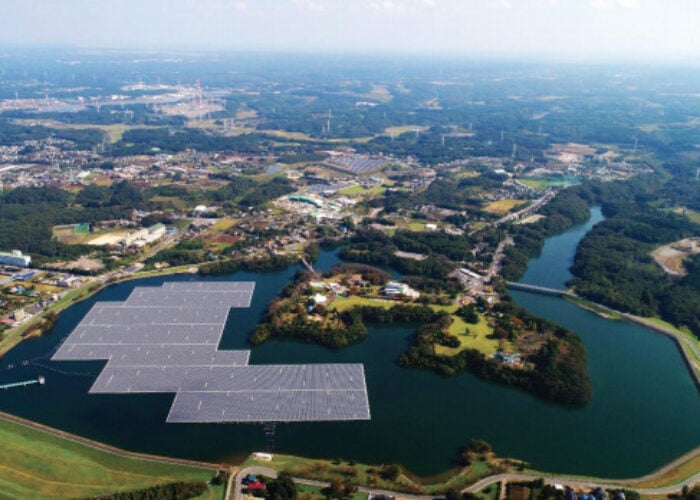
French floating solar specialist Ciel & Terre is planning to further develop its floating solar platform systems to withstand more extreme conditions through a collaboration with Principia, a company that has a technical background in the offshore renewable energy industry.
The New South Wales Department of Planning & Environment has approved three separate solar projects amounting to 492MW capacity, including one project with 100MWh of battery storage.
China-based PV manufacturer Seraphim Solar will supply smart modules to a 9MW PV plant project developed by the Kanowna Solar PL in New South Wales, Australia.