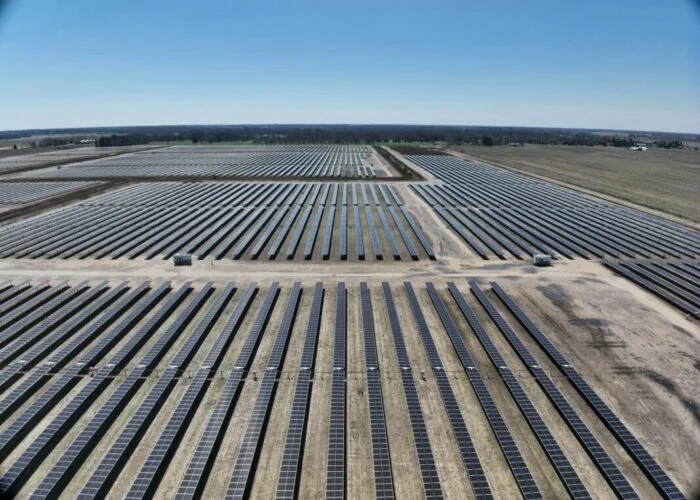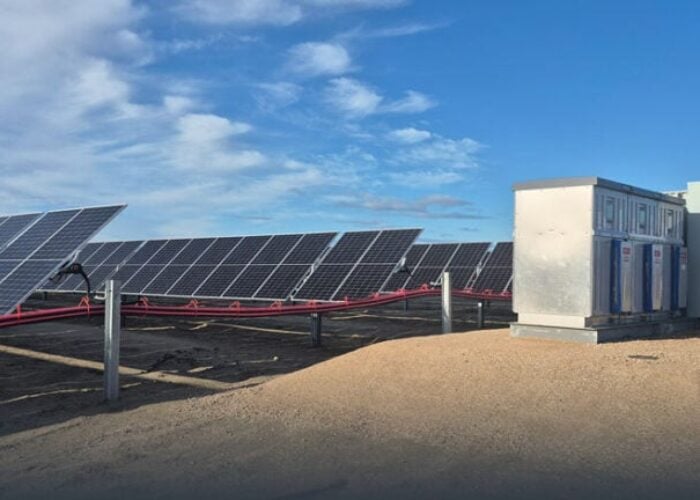
GTM Research's latest report, US Commercial Solar Landscape 2016-2020, details how the top ten commercial developers in the country account for just 42% of the segment. Report author and senior solar analyst Nicole Litvak discusses with PV Tech why this sector has seen such fragmented developer input in contrast to the heavily-saturated and competitive residential market, where the leading installers account for 58% of the market share, with the top three companies installing almost half of the 2015 total.
Why has the commercial segment been stagnant and why is this changing now?
Try Premium for just $1
- Full premium access for the first month at only $1
- Converts to an annual rate after 30 days unless cancelled
- Cancel anytime during the trial period
Premium Benefits
- Expert industry analysis and interviews
- Digital access to PV Tech Power journal
- Exclusive event discounts
Or get the full Premium subscription right away
Or continue reading this article for free
Overall there are a few reasons why the market has been stagnant, and some of them are more related to individual state markets and more policy-related factors, and then some have more to do with the specific challenges that developers face regardless of what is going on the policy landscape.
With that latter piece specifically, a lot of that has to do with bottlenecks in the customer origination process and on the financing side. Origination or customer acquisition on the commercial side is a much more time consuming process [than residential].
So no matter if you are a local developer or a national developer targeting any type of customer, it’s taking them a long time to originate those customers and to get those deals done. So no one has really been able to scale that quickly because they are spending months to years on a single customer. The fact that there are more people, the economics are a little bit more complicated in verifying the credit of the company etc. In residential they can basically qualify someone instantly; it’s more of a cookie-cutter process in residential where the systems themselves don’t really vary very much, the system design is not a big issue, but with commercial every aspect of it is different for every customer – that’s what makes it more complicated.
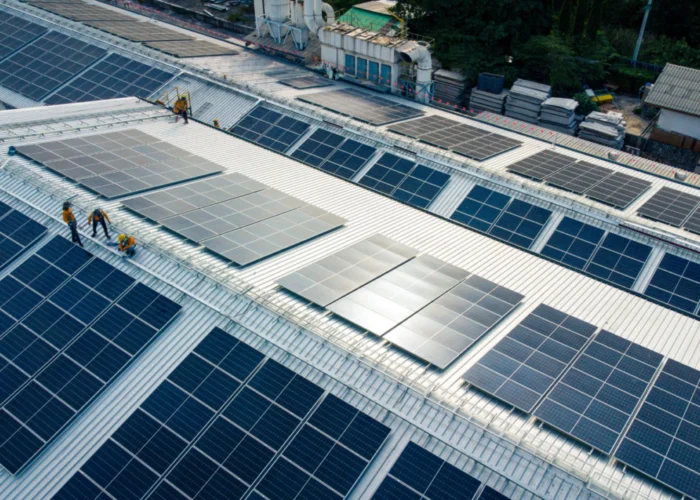
[The] same kind of thing happening on the financial side – although some commercial projects are easier to finance than others – when you look at one of the biggest markets in the country just in terms of even roof space, you are looking at small and medium commercial customers – so these are smaller companies with space to install solar.
But the problem is that the developers who are selling their systems or developing those customers don’t have access to financing and so they need to work with another company, or sell their projects to a different developer with access to financing, and the whole process of connecting those projects with capital is also very inefficient.
What can be done to open up access to financing for those developers?
There are a few things. One is that we think a major driver of the non-residential market over the next couple of years will be the portion of the market that is easiest to finance and that is big Fortune 500 companies; the Walmart, Ikea-type companies, because they are creditworthy and tax equity financiers are happy to do those deals; especially when you are signing a large deal with an individual customer because they have hundreds of stores that you can install on.
So we do see the major international developers targeting those clients and there is still a lot more of those that have not gone solar yet. That is one thing that [developers] are avoiding; the issue of financing by going after the low-hanging fruit. With the systems that are a little bit more difficult for someone to finance, that is where there is an opportunity for someone to come in and come up with a solution to that. A few have tried; there are certainly companies that are helping to connect early stage projects with financing – so a company like Sol Systems is doing that where they work with both smaller developers and financiers, or Wiser Capital is another example. There are a few companies that are trying to target that portion of the market.
If commercial growth is being driven by external factors such as the ITC, how sustainable will that growth be?
If you look at the past few years, we have had the ITC and the market has not been growing, so I wouldn’t say the ITC is even a driver for the commercial market. It’s certainly not hurting but it hasn’t helped the market grow; the challenges are even bigger than that benefit. We do think that some of the growth that we expect to see this year might come as a result of customers who signed up before the ITC was extended, so those systems will still be installed this year.
What can be done either way to make growth more sustainable?
When you look at the long-term developers or any of the companies in this space, they needs to address those origination challenges; that is how the market is going to create long-term sustainable growth, because you cannot rely on individual incentive programmes forever; they are not always going to be around, the ITC might not always be around. Those [finance and customer origination] problems have been holding back the market despite those incentives being available, so that is really what the market needs as well as just a few developers who can actually grow. On the residential side the market has grown because companies like Vivint Solar and SolarCity over the past couple of years have grown faster than the market; they’ve been leading it and driving the growth. You do not really have that in the commercial sector, there’s no one really dominating the market.
What is the impact of energy storage on the US commercial market?
From the developer side we have talked to, there is definitely interest from customers and the developers on storage, but there has been little traction so far. We are still in the earlier stages with that one. But developers are also looking at other products they can offer to customers – things like energy management and other energy-related services because sometimes customers think they need storage and then realise some of these other services might be better suited to them.