US solar PV manufacturer T1 Energy has bought a set of patents for tunnel oxide passivated contact (TOPCon) solar cell and module technology which it said will “differentiate” its position in the US market.
T1 bought the “foundational solar patents and other intellectual property” from Singapore-based Evervolt Green Energy for US$135 million. It had previously leased the licenses from Evervolt.
Try Premium for just $1
- Full premium access for the first month at only $1
- Converts to an annual rate after 30 days unless cancelled
- Cancel anytime during the trial period
Premium Benefits
- Expert industry analysis and interviews
- Digital access to PV Tech Power journal
- Exclusive event discounts
Or get the full Premium subscription right away
Or continue reading this article for free
T1 paid an initial US$2 million to secure the patents, with the remaining US$133 million payable in four tranches by 30 October 2026, either in cash, T1 Energy stock or both.
The company said it believes TOPCon is the “most advanced, highly efficient commercially viable solar technology available” and that the patents would support its plans to build a vertically integrated US manufacturing base.
“Owning the intellectual property rights to leading silicon-based solar technologies is an important step to differentiate T1’s competitive position as a vertically integrated crystalline silicon US solar manufacturer,”said Dan Barcelo, chairman and Chief Executive Officer of T1 Energy. “We also believe that this intellectual property will be accretive to T1 economically in addition to yielding significant commercial and strategic benefits.”
T1 Energy did not provide details of the specific patents in question. TOPCon has been the subject of a lot of litigation and dispute in the US since solar PV manufacturers began building out meaningful module and cell production capacity.
After a series of back and forth suits between various manufacturers over using TOPCon tech in the US, cadmium telluride (CdTe) thin-film module producer First Solar (which does not produce TOPCon but owns a bank of IP for it) brought a wide-ranging case to the US International Trade Commission (ITC) seeking exclusion and cease and desist orders over TOPCon technology in or entering the US.
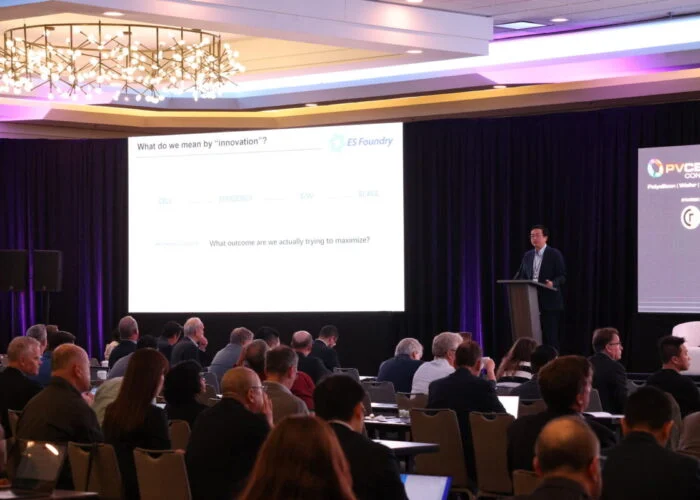
While TOPCon is the mainstream commercial technology for crystalline silicon solar production in most of the world, some companies in the US have eschewed it in favour of older technology like PERC or alternatives like heterojunction (HJT). ES Foundry spoke with PV Tech Premium about its strategic decision to produce PERC cells in the US because of TOPCon’s legal liability, and last week Canadian Solar announced the start of production at a 6GW HJT cell factory in Indiana.
Last month, Barcelo spoke with PV Tech Premium about his optimism for US crystalline silicon solar manufacturing – “Crystalline silicon is the future. Silicon is this century, oil is last century,” he told us.
T1 Energy expects losses in Q2 financial results
T1 Energy also announced its preliminary Q2 2026 financial results today. The company expects a net loss from continuing operations of US$34 million to US$37 million, with negative EBITDA of between US$14.5 million and US$11.5 million. This excludes approximately US$24.4 million of refunds paid due to tariffs incurred under President Trump’s now-overruled use of the International Emergency Economic Powers Act.
T1 said it expects to generate US$245 million to US$255 million in sales in Q2 2026 from approximately 835MW of solar module sales. During the second quarter, the company said it monetised its remaining 45X Advanced Manufacturing tax credits for US$39.1 million.
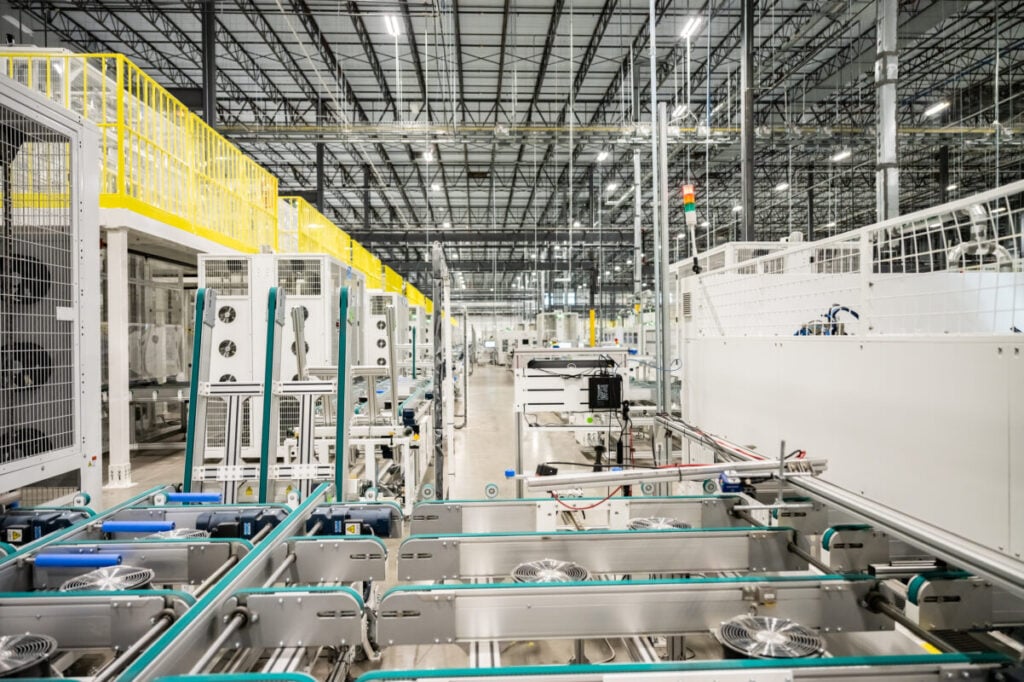
Over the course of the year, T1 expects to produce between 3.1-4.2GW of modules from its G1_Dallas module production facility in Texas. Production “will fall within the higher end of its previously disclosed 2026 production range”, the company said, as it anticipates higher production rates in Q3 and Q4 than in the last three months.
Moreover, the company pushed back the commercial launch of its solar cell processing plant, G2_Austin. Now it expects to begin producing the first solar cells in Q1 2027, instead of year-end 2026.
.