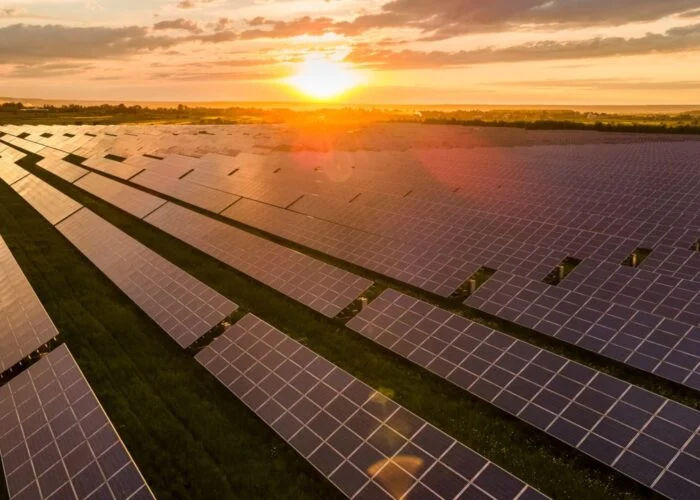
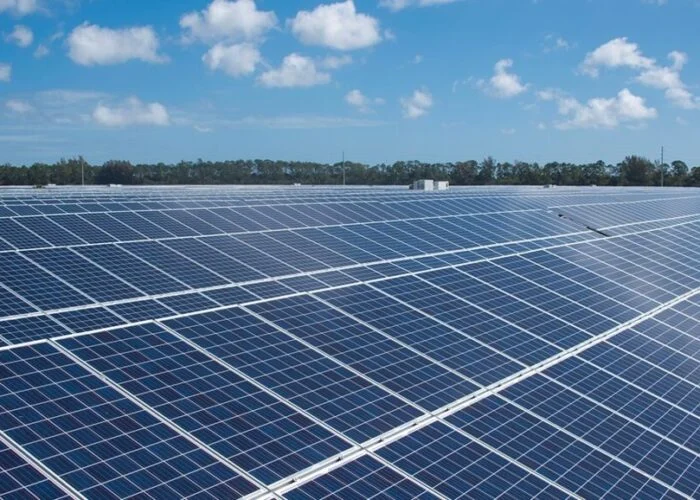
The Japanese Ministry of Economy, Trade and Industry (METI) has announced that around 3.9GW of solar power generation capacity has been installed in Japan since July 2012, when the country introduced feed-in tariffs (FiTs) for renewable energy.
In total, around 4.086GW of renewable energy generation capacity was added during the period in the country, according to a table of statistics released by the ministry on Monday.
Try Premium for just $1
- Full premium access for the first month at only $1
- Converts to an annual rate after 30 days unless cancelled
- Cancel anytime during the trial period
Premium Benefits
- Expert industry analysis and interviews
- Digital access to PV Tech Power journal
- Exclusive event discounts
Or get the full Premium subscription right away
Or continue reading this article for free
The ministry also released a more detailed table of generation capacity by prefectural region, with solar power providing up to 90% of newly installed renewable energy generation capacity since mid-2012.
The total figure for renewable energy capacity – including wind, small and medium-sized hydropower, biomass and geothermal heat – installed in the year between July 2012 and July 2013 is 4.086GW. According to the ministry, the figures indicate that introduction of solar power is proceeding smoothly.
The 3.9GW figure for installed solar energy capacity includes the figure for residential installations as one category and utility-scale or commercial use as a separate category. According to METI in the year between July 2012 and the same period of this year, around 1.521GW of residential solar was installed along with just under 2.4GW of commercial and utility scale.
As has been widely reported, the figure for completed utility-scale ‘mega solar’ projects in particular has not been matched by the amount of capacity put in the ground. The ministry’s figures reveal that the 2.4GW of installed commercial scale solar capacity is still dwarfed by the corresponding figure for approved utility scale projects – around 20.3GW. In contrast, for around 1.521GW of installed residential capacity, the approved figure was 1.751GW. As revealed by PV Tech last month, METI is in the process of investigating why generation capacity installed for ‘megasolar’ has fallen so short of the approval rate.
The newest table features corrections to the original release, which was made at the beginning of October and overstated the figure for clean energy project capacity up to the end of June 2013 by around 126MW.