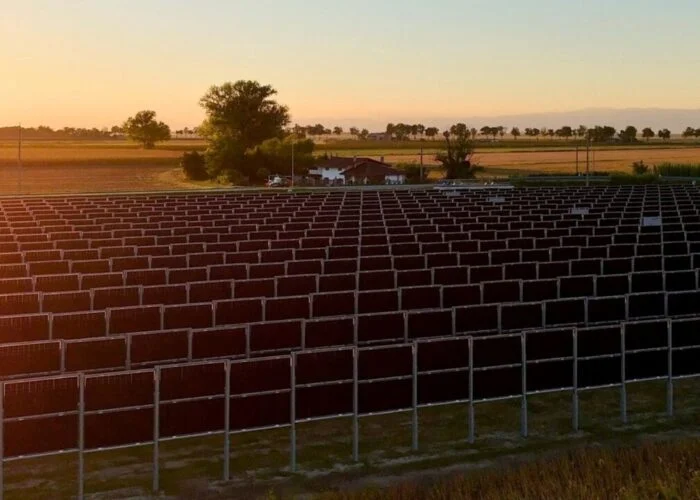
BayWa r.e is building what is likely to be Germany’s first completed subsidy-free solar park, bringing the firm's unsubsidised offerings further north in Europe, as a company executive previously indicated to PV Tech.
UK firm Anesco has already completed the first large-scale subsidy-free PV project in the UK, but this was supported by an energy storage system.
Try Premium for just $1
- Full premium access for the first month at only $1
- Converts to an annual rate after 30 days unless cancelled
- Cancel anytime during the trial period
Premium Benefits
- Expert industry analysis and interviews
- Digital access to PV Tech Power journal
- Exclusive event discounts
Or get the full Premium subscription right away
Or continue reading this article for free
BayWa has also already developed perhaps the most significant subsidy-free solar project in Europe today, the 175MW Don Rodrigo project in Andalusia, southern Spain, an area which has some of the highest irradiation in Europe. That project has been covered extensively in our latest edition of print magazine PV Tech Power, which will available at Intersolar Europe in Munich, next week.
Discussing Don Rodrigo with PV Tech recently, Benedikt Ortmann, MD at BayWa r.e. Solar Projects, said that the company is working on unsubsidised projects across Europe including in countries further north than Spain.
While PV developer EnBW recently announced it would be building a 175MW project without subsidies in Germany, it will commence construction on that project six months later than BayWa's plant.
Like EnBW, BayWa's first such offering in Germany will prove that solar energy can now compete against conventional energy sources in Germany without any financial subsidies.
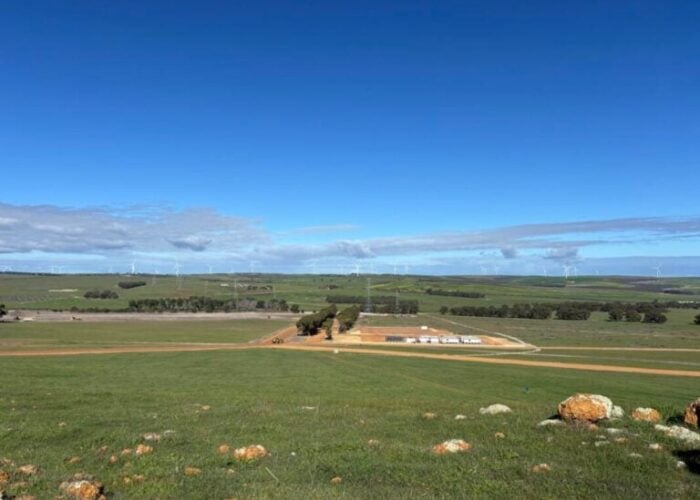
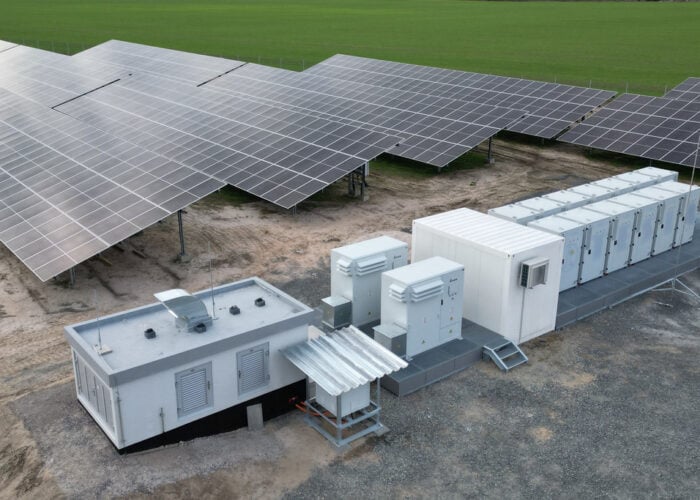
Project Barth V, located 30 kilometres east of Stralsund, North Germany, on the site of the Baltic Sea airport Stralsund-Barth, has a total capacity of 8.8MW and construction will start at the beginning of June. BayWa has also benefitted from cable routes and network connections from previous project plans at the same site. Power will be supplied to an industrial partner via a long-term power purchase agreement (PPA) for which negotiations are underway. A German bank will provide long-term, non-recourse financing.
In a release, Ortmann said: “We have already shown that solar power can be generated today more cheaply than conventional power. While experiencing lower irradiation values, we have now proved subsidy-free is possible in Germany too. We are very proud to be ushering in a new and exciting era for renewable energy generation.”
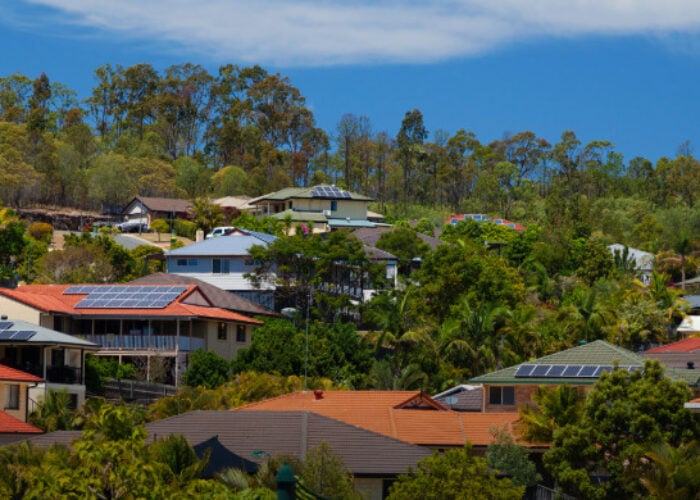
The firm has said that the EEG-surcharge will continue to have an important role in the energy transition, particularly supporting small and medium-sized residential and commercial plants. Indeed, Matthias Taft, member of the Board responsible for the energy business, BayWa AG, added: “Although in some cases it is possible to build small and medium-sized, self-consumption projects without subsidies in Germany, they will still be needed to support this segment of the market moving forward. In addition, subsidies for solar solutions for residential housing will also remain important as a means of encouraging the participation of broad sections of the population and to help facilitate the development of a decentralised, near-load supply.”