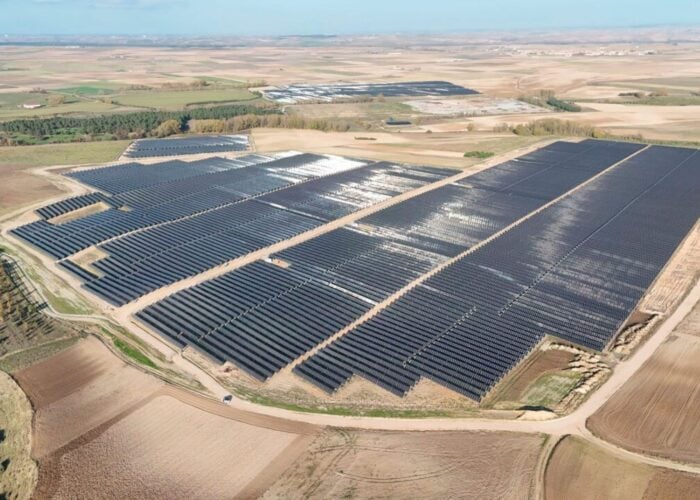
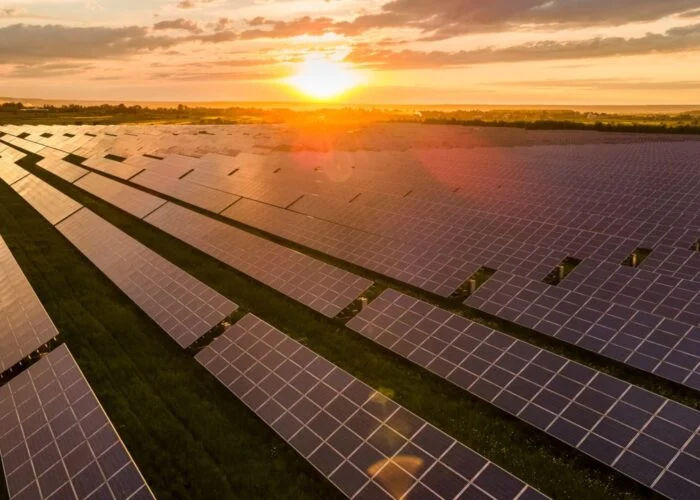
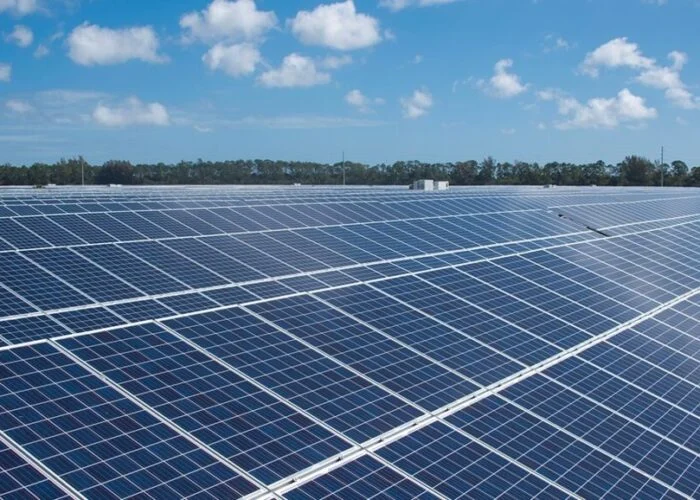
A 4GW solar project has been announced in Rajasthan, India, which, if fully built, would be the world’s largest solar plant.
Although many details of the plan are unclear, Indian officials said they hoped to have the 1GW first phase of the Sambhar Ultra-Mega Green Solar Power Project complete by 2016.
Try Premium for just $1
- Full premium access for the first month at only $1
- Converts to an annual rate after 30 days unless cancelled
- Cancel anytime during the trial period
Premium Benefits
- Expert industry analysis and interviews
- Digital access to PV Tech Power journal
- Exclusive event discounts
Or get the full Premium subscription right away
Or continue reading this article for free
As part of an initiative by the Ministry of Heavy Industries and Public Enterprises, the first 1GW phase is being undertaken by a joint venture between electrical equipment manufacturers, Bharat Heavy Electricals Limited (BHEL), Rajasthan Electronics and Instruments Limited (REIL) and SSL, the Solar Energy Corporation of India, the Power Grid Corporation of India and the government run hydro-electric power plant developer, SJVN.
The following phases will be decided depending on the outcome of the first. If fully completed, the 4GW project would produce 6,000 million kWh per year to supply the country with energy through the national grid.
The proposed project site spans 23,000 acres of land owned by the government-run salt source manager, Sambhar Salts Limited.
There is no indication yet of whether PV or conentrated solar power technology will be used.
RESolve energy consultant, Madhavan Nampoothiri, speculated that funding for the project would be provided by India’s recently approved parliamentary bill for Corporate Social Responsibility funding, announced in August. The new legislation requires all companies with capital exceeding INR500 crore to provide 2% of annual net profits towards social or charity work.
Nampoothiri said the project was not part of India’s national solar mission, the JNNSM. The project is in line with Rajasthan’s 2011 solar policy to utilise high solar irradiation levels with large-scale solar projects and promote Rajasthan as a national leader in solar power, but not part of it; Rajasthan was chosen by the ministry for its high irradiation levels and wastelands.
Nampoothiri added that with planning and a skilled workforce, timely completion of the project should be achievable. “This is definitely achievable as long as financing is not a constraint,” he said.
Jasmeet Khurana, head of market intelligence at Bridge to India, said last week proposed mega projects in India will aid lowering the cost of solar to INR5 per kWh, nearly level with higher priced coal, at INR4.5 per kWh. Currently solar power is around INR6 per kWh for large projects.