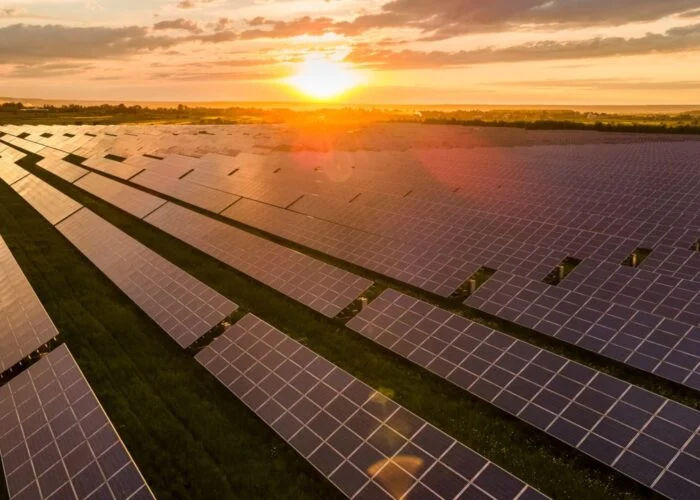
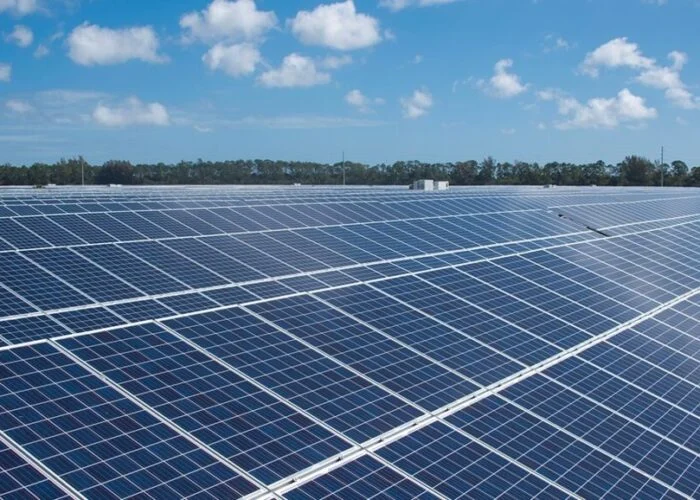
Continuing market constraints and unattainable cost bases have conspired to force Schott Solar’s management to withdraw from c-Si PV manufacturing completely. Although the company’s thin-film and CSP activities are unaffected by this news, this exit from the c-Si sector will affect around 870 employees as well as its Mainz and Alzenau plants in Germany, Valasske Mezirici in the Czech Republic and Albuquerque in New Mexico.
As a glass manufacturer, Schott’s remaining in the thin-film and BIPV applications market is one that needs little explanation. The company had also released a management statement last year that claimed that the CSP sector was strong for the company in terms of contracts.
Try Premium for just $1
- Full premium access for the first month at only $1
- Converts to an annual rate after 30 days unless cancelled
- Cancel anytime during the trial period
Premium Benefits
- Expert industry analysis and interviews
- Digital access to PV Tech Power journal
- Exclusive event discounts
Or get the full Premium subscription right away
Or continue reading this article for free
However, The Albuquerque Journal has suggested that its CSP sector in the US was not as secure as we are being led to believe, with the following comment provided by spokesman Matthew Kraft: “We are … ceasing operations in Albuquerque. It’s primarily the (photovoltaic) line that’s shutting down. The (concentrated solar power) line will ramp down over the course of the summer.”
The company’s main focus has been on manufacturing wafer-based cells and modules and in 2010 it had reached a global production capacity of 450MW per year of both cells and modules. In January this year, Schott announced the closure of its multicrystalline wafer operations in Jena, Germany impacting 290 workers, but stressed that its monocrystalline wafer production in the same location would continue.
Management is said to have investigated several options in an attempt to maintain its crystalline PV production, all of which have compounded the company’s opinion that remaining in this sector is no longer economically feasible.
Over the past two years, Schott has managed to shave up to 50% off its cost base; however, industry analysts have claimed that some competitors’ cost bases – particularly those based in Asia – have seen closer to 60% reductions in costs over the space of one year. Prices of multicrystalline wafers have more than halved in 2011, after declining around 40% in the prior year as significant levels of new capacity in China, Korea and Taiwan were ramped.