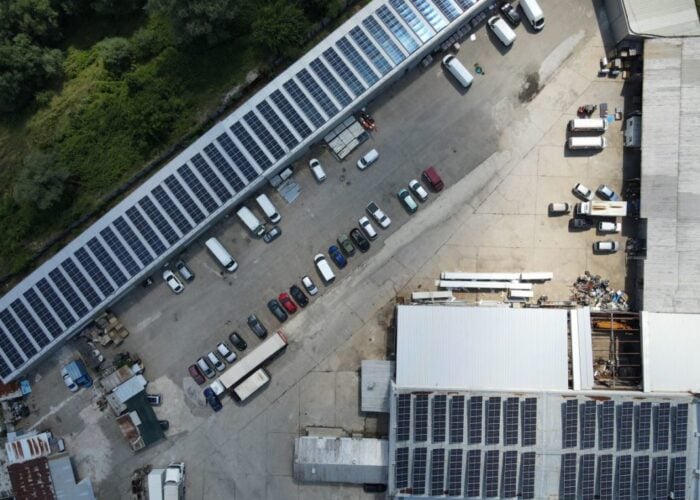
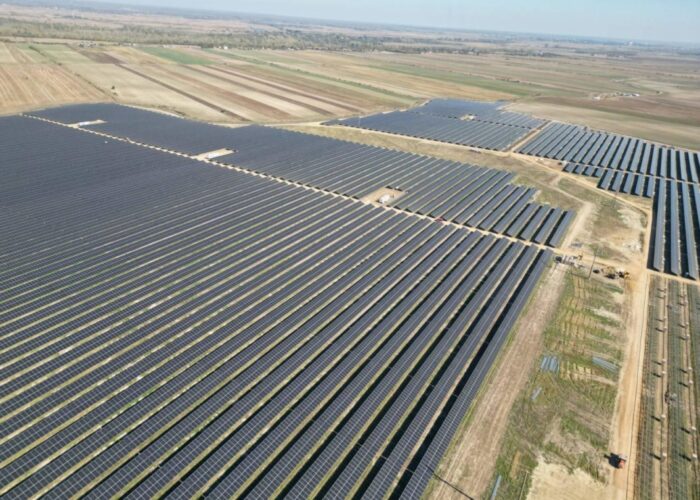
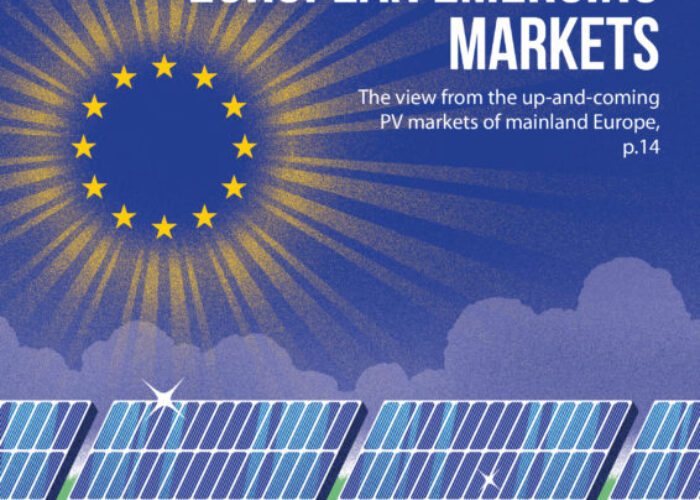
Jonathan Touriño Jacobo explores how Eastern and Southern European countries have emerged in the race as key players for the European Union to reach 740GW of solar capacity installed by 2030.
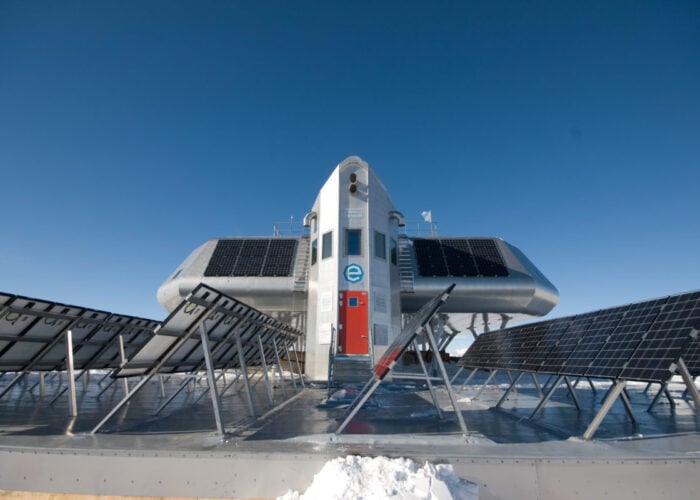
PV Tech Premium talks to Slovenian solar company Bisol and the International Polar Foundation about features of renewable energy production at the Princess Elisabeth Antarctica Research Station.
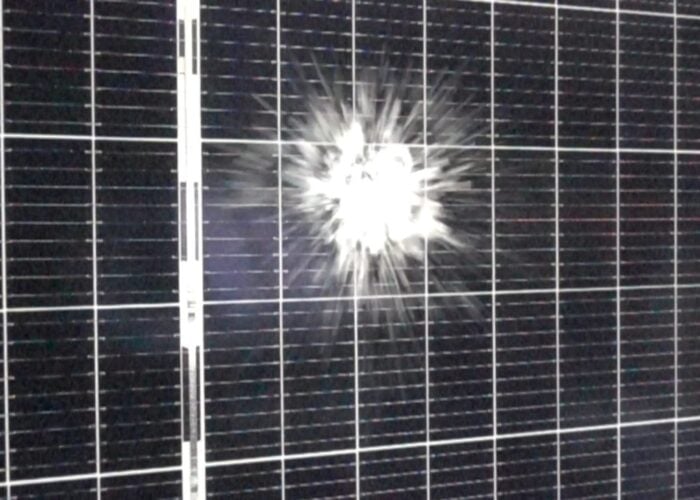
PV Tech Premium caught up with Tristan Erion-Lorico, VP of sales and marketing at PVEL, to discuss the emerging trends and themes from this year’s scorecard
With grid availability, plenty of land and a new contracts for difference scheme that is set to go live this year, Romania is proving an increasingly attractive market for solar developers. Lena Dias Martins finds out more.
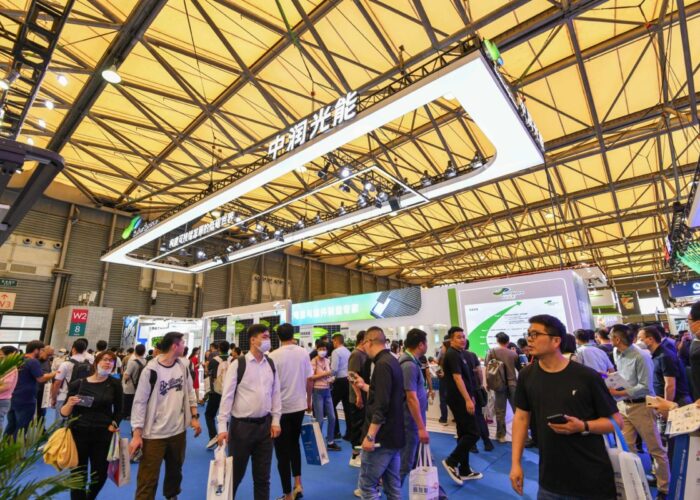
After a two-year hiatus, this long-awaited reunion brought exhibitors and visitors numbers to a record high, where PV companies showcased new products, launched new technologies and showcased new ideas at the show. PV Tech's English and Chinese teams participated and reported the full event.
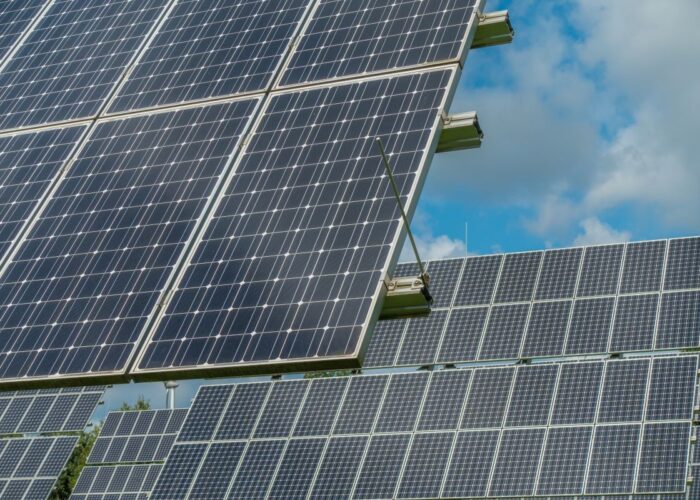
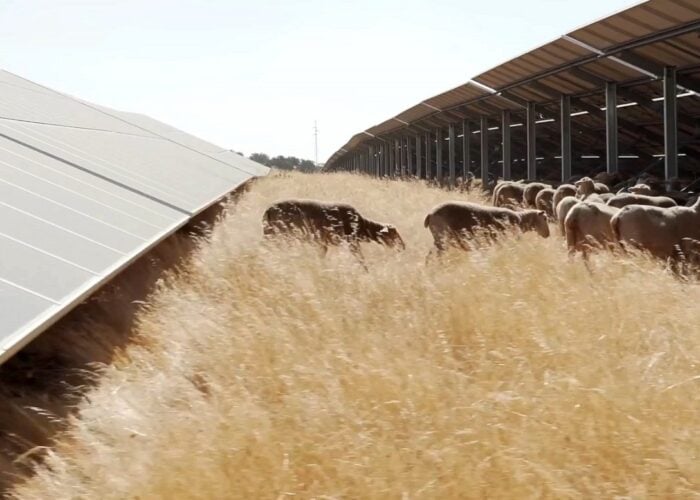
As agrivoltaics projects grow in popularity, PV Tech Premium gives a look at four countries - Germany, the US, France and Australia - and Africa that have embraced the technology.